🎉 Exciting News: Home X is now Kahuna Comfort Plumbing, Heating & Air! 🎉

Tag: maintenance

How to Install a Bathroom Sink

Upgrading your bathroom with a new sink can be a rewarding DIY project. With the right tools and a bit of know-how, you can install a stylish sink to enhance both form and function. Here’s a step-by-step guide to help you through the process.
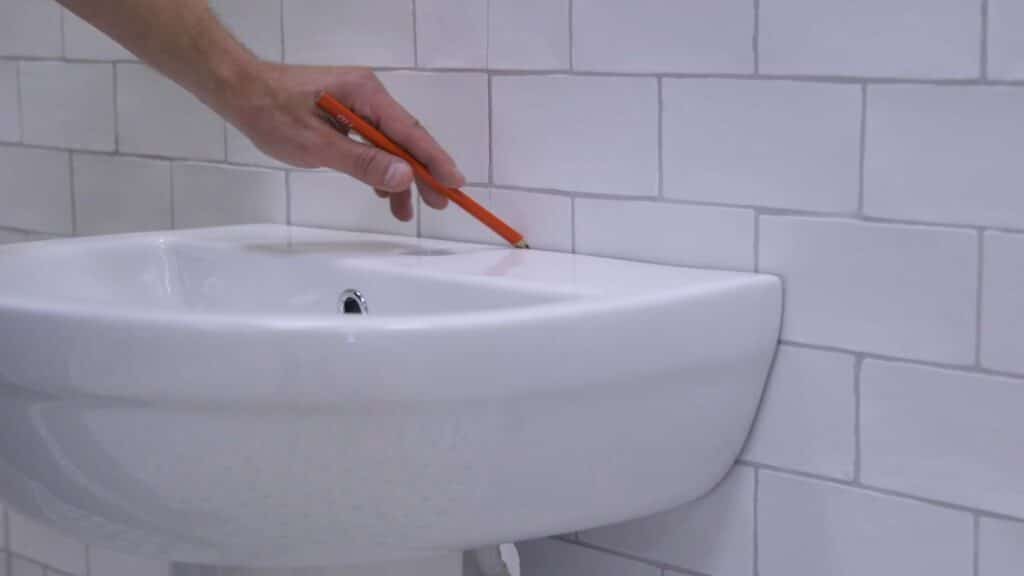
10-Step Guide to Installing a Bathroom Sink.

1. Gather Your Tools and Materials:

Before diving in, ensure you have all the necessary tools and materials. This typically includes a new sink, faucet, plumber’s putty, a wrench, a screwdriver, a bucket, and a pipe cutter.

2. Turn Off the Water:

Begin by turning off the water supply to the bathroom. Locate the shut-off valves beneath the sink or, if unavailable, turn off the main water supply for the entire house.

3. Remove the Old Sink:

Disconnect the plumbing beneath the old sink and remove any brackets or adhesive securing it to the countertop. Carefully lift the old sink out, taking care not to damage the surrounding surfaces.

4. Install the Faucet:

Place the faucet through the designated hole in the sink. Secure it from underneath using the provided nuts. Apply plumber’s putty around the base of the faucet to create a watertight seal.

5. Attach the Drain:

Connect the drain to the sink, ensuring a proper seal with plumber’s putty or a rubber gasket. Tighten the nut beneath the sink to secure the drain in place.

6. Position the New Sink:

Set the new sink into place, aligning it with the existing hole in the countertop. Double-check that it sits evenly and securely.

7. Connect the Water Supply:

Reconnect the water supply lines to the faucet, ensuring tight connections. Turn the water supply back on and check for any leaks.

8. Seal the Edges:

Apply a bead of silicone caulk around the edges of the sink where it meets the countertop. This creates a waterproof seal and enhances the sink’s stability.

9. Test for Leaks:

Turn on the faucet and check for any leaks around the connections. Tighten as needed to ensure a watertight seal.

10. Enjoy Your New Sink:

With everything securely in place and leak-free, your new bathroom sink is ready for use. Enjoy the upgraded aesthetics and functionality of your freshly installed fixture.

Now you know how to install a sink in your bathroom. However, if you ever experience problems, remember that you can always trust Kahuna Comfort Plumbing, Heating, & Air. Call us now!

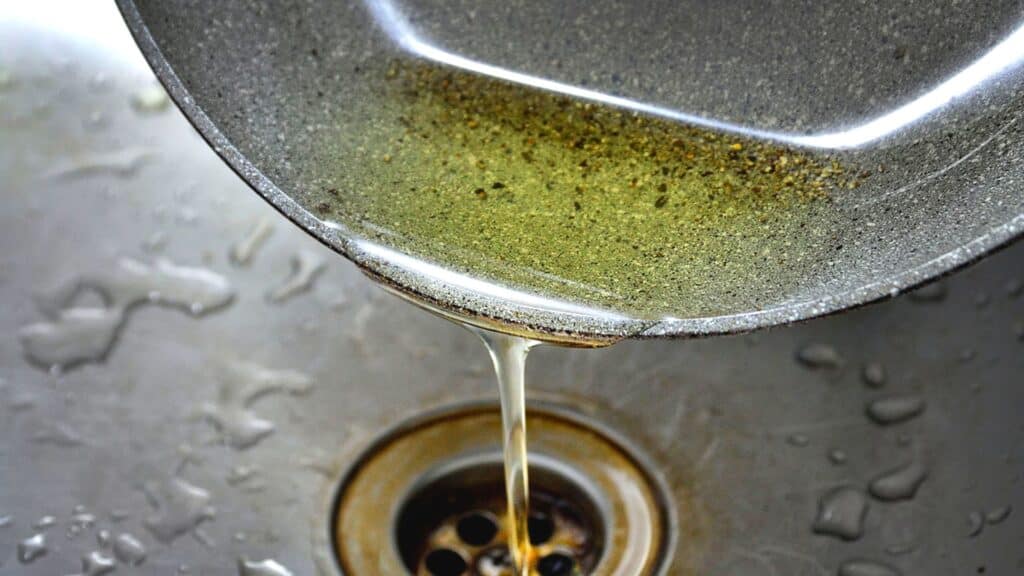
Should You Dump Cooking Oil in the Drain? The Dos and Don’ts

After a delicious meal, the question of what to do with leftover cooking oil often arises. For many, the most convenient option is to pour it down the drain. However, this common practice can lead to costly plumbing issues and environmental concerns. Here, we’ll explore the dos and don’ts of disposing of cooking oil to help you make an informed decision.

The Don’ts: Why You Shouldn’t Dump Cooking Oil in the Drain

  1. Pipe Clogs: Pouring hot cooking oil down the drain may seem harmless, but as it cools and solidifies, it can stick to the walls of your pipes, accumulating over time and leading to clogs. These clogs can impede water flow and result in slow drainage or even backups.
  2. Environmental Impact: When oil enters the sewage system, it can pose environmental risks. Sewage treatment plants are not designed to handle large amounts of grease and oil. This can lead to contamination of waterways, harm aquatic life, and increase treatment costs.
  3. Odor and Bacteria: Oil and grease can create foul odors in your plumbing system. Additionally, they provide a breeding ground for harmful bacteria, which can exacerbate the problem and affect your household’s health.
  4. Costly Repairs: Over time, oil buildup in pipes can cause severe damage, leading to expensive plumbing repairs. Fixing clogs or replacing sections of your plumbing system can be a significant financial burden.

The Dos: How to Properly Dispose of Cooking Oil

  1. Cool and Contain: Allow the used cooking oil to cool completely. Then, transfer it into a sealable, non-recyclable container. Use a jar or an old coffee can, and make sure the container is tightly sealed.
  2. Recycle or Dispose: Check your local recycling programs for options to recycle cooking oil. Some areas offer recycling centers where you can drop off used oil for proper disposal. Alternatively, contact your local waste disposal services to inquire about their guidelines.
  3. Reuse or Dispose of Solids: If you have used cooking oil with solids, such as bits of food, strain it through a fine mesh sieve before storing or disposing of it.
  4. Grease Disposal Services: Some regions provide dedicated grease disposal services. Contact your local sanitation department to learn if such services are available in your area.

In conclusion, dumping cooking oil down the drain is a practice that should be avoided due to its adverse effects on plumbing systems and the environment. Proper disposal, such as recycling, can help mitigate these issues while ensuring a more sustainable approach to managing used cooking oil. By following the dos and don’ts of cooking oil disposal, you can maintain the functionality of your plumbing and minimize your environmental footprint.

At Kahuna Comfort, we provide exceptional drain cleaning services. If you’ve encountered any issues with your drain, don’t hesitate to give us a call. Our services cover the areas near Los Angeles, Fullerton, Irvine, and Anaheim.


Follow us on Instagram: @kahuna_comfort

Follow us on X: @PlumbingHomex

Tips for First-Time Homeowners to Maintain a New Sewer System.

As a first-time homeowner, it’s essential to understand that your sewer system plays a vital role in maintaining your home’s overall functionality and hygiene. To ensure your new sewer system remains in optimal condition, here are some valuable tips to keep in mind:

new house owners how to care of a new sewer system

How to Maintain a New Sewer System.

1. Regular Inspections:

Schedule regular sewer inspections, especially during the first few years of homeownership. Inspections can help identify potential issues before they escalate, saving you money and preventing inconvenient emergencies.

2. Mindful Landscaping:

Be cautious when planting trees or installing structures in your yard. Tree roots can infiltrate sewer lines, causing blockages and damage. Consult with a professional landscaper to plan around your sewer system effectively.

3. Watch What You Flush:

Educate your household about what can and cannot be flushed down the toilet. Only toilet paper and human waste should go down the drain. Items like flushable wipes, feminine hygiene products, and paper towels can cause blockages.

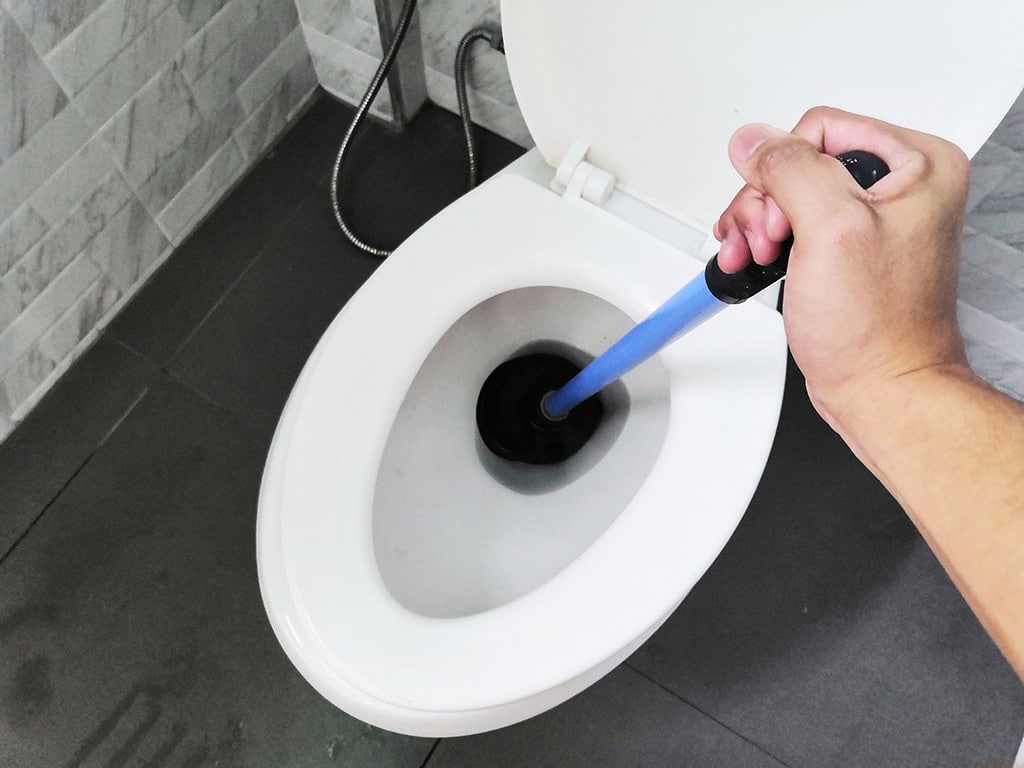
somebody unclogging toilet. Never flush things.

4. Grease Disposal:

Never pour cooking grease down the drain. Grease can solidify in pipes, leading to clogs and slow drainage. Dispose of grease in a separate container and throw it away with your household waste.

5. Maintain Proper Slope:

Ensure that your sewer lines maintain the proper slope for efficient drainage. Incorrect slopes can lead to water pooling, blockages, and costly repairs. Consult a professional if you suspect a slope issue.

6. Be Cautious with Chemicals:

Avoid using harsh chemicals to clear clogs. They can damage your pipes and harm the environment. Opt for environmentally-friendly alternatives or consult a professional plumber to address stubborn clogs.

7. Protect Against Freezing:

If you live in a region with cold winters, take precautions to prevent your sewer lines from freezing. Insulate exposed pipes and disconnect outdoor hoses to avoid burst pipes.

8. Educate Yourself:

Learn about your sewer system and its components. Understand where your main sewer line is located and the location of clean-out access points. This knowledge can be valuable when discussing issues with a professional plumber.

9. Invest in Preventive Maintenance:

Consider hiring a professional plumber for preventive maintenance. Regular check-ups can identify and address potential problems before they become major issues. It’s a worthwhile investment for long-term sewer system health.

10. Respond Promptly to Issues:

If you notice signs of sewer problems, such as slow drains, foul odors, or gurgling sounds in your plumbing, don’t delay. Address these issues promptly to prevent them from worsening.

Now that you know how to maintain your new sewer system for optimal condition, remember, if you ever encounter any issues, you can rely on the exceptional plumbers at Kahuna Comfort. We provide top-notch services across the entire Los Angeles area, from Thousand Oaks to Riverside.

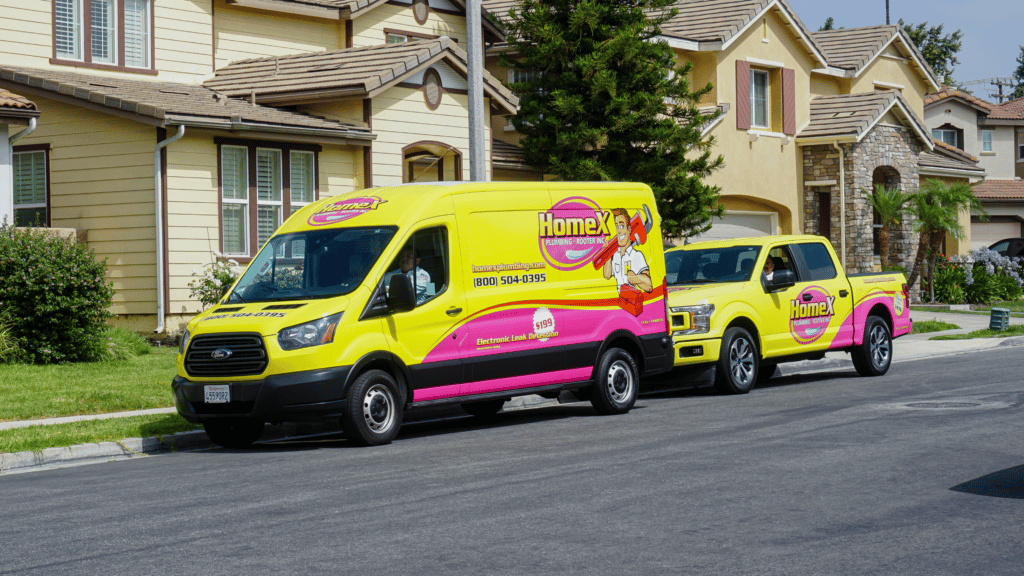
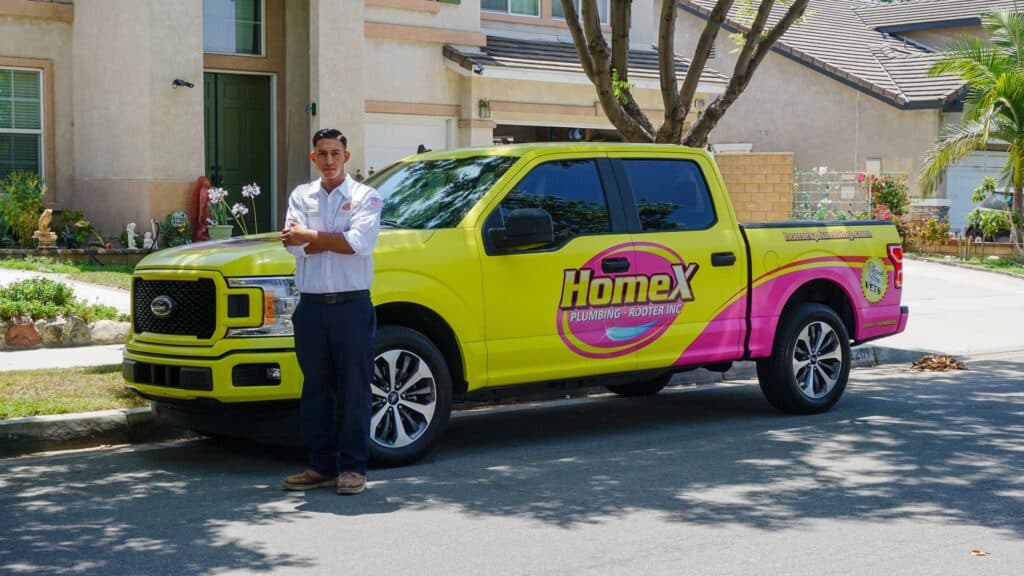
Kahuna Comfort Plumbing, Heating, & Air van and truck

8 Benefits of Preventive Plumbing Services.

Investing in preventive plumbing services offers numerous benefits, including early problem detection, extended system lifespan, improved water efficiency, and better water quality. It reduces emergency calls, provides peace of mind, ensures compliance with codes, and promotes eco-friendly practices. Overall, preventive plumbing services are a wise investment for homeowners.

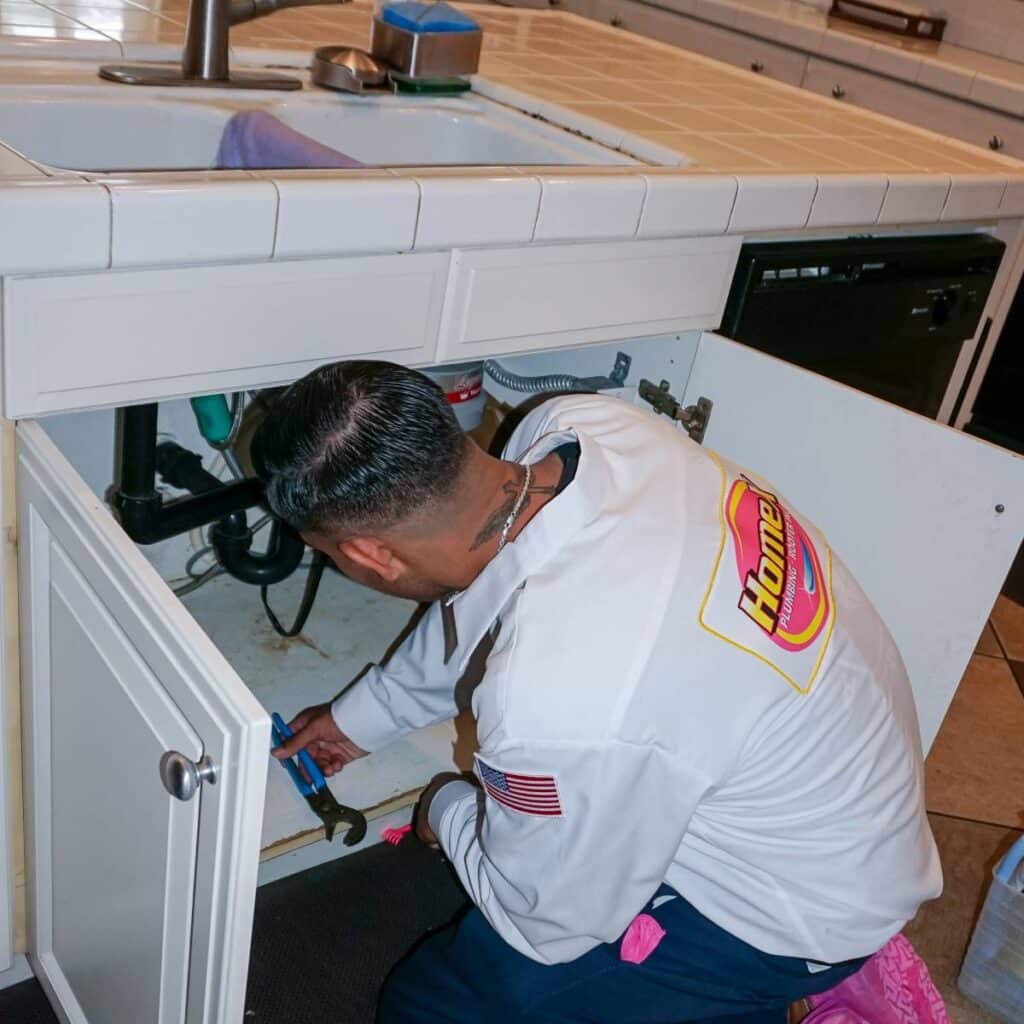
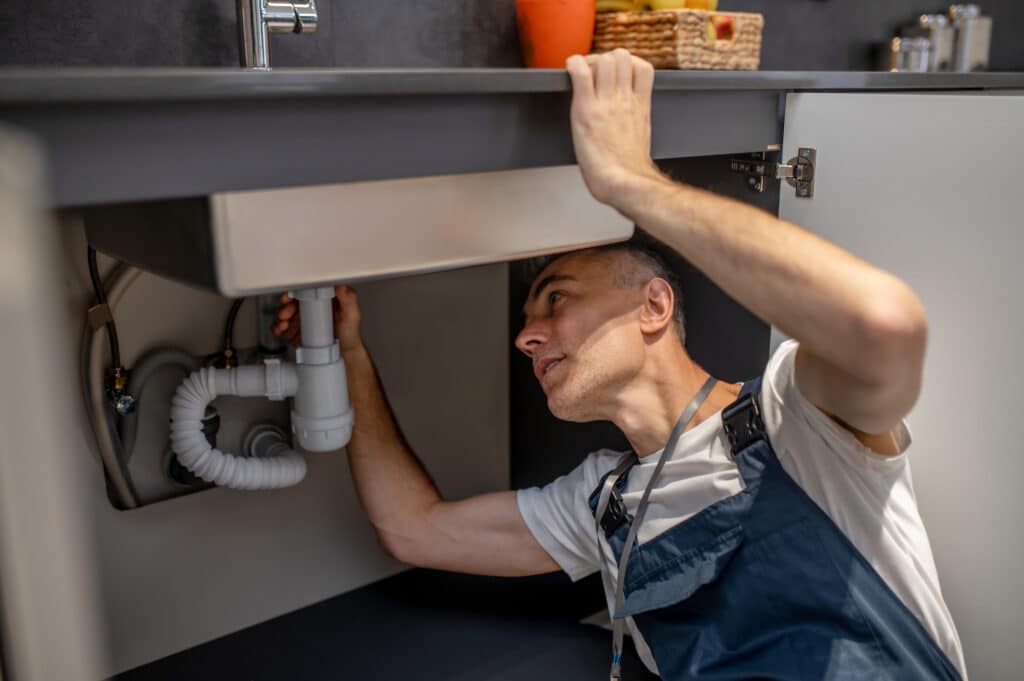
Kahuna Comfort plumber providing a plumbing repair for kitchen sink

When it comes to your home’s plumbing system, an old adage holds true: “An ounce of prevention is worth a pound of cure.” Preventive plumbing services, also known as plumbing maintenance, involve regular check-ups and maintenance tasks performed by professional plumbers. While it might seem like an unnecessary expense, investing in preventive plumbing services offers several significant benefits.

  1. Early Problem Detection:
    One of the primary advantages of preventive plumbing services is the early detection of potential issues. Professional plumbers can identify and address minor problems before they escalate into costly emergencies. This proactive approach can save you both money and stress in the long run.
  1. Extended System Lifespan:
    Regular maintenance helps extend the lifespan of your plumbing system. Well-maintained pipes, fixtures, and appliances are less likely to wear out prematurely. This means you won’t have to replace them as often, which can be a significant financial relief.
  1. Improved Water Efficiency:
    Preventive plumbing services can also improve your home’s water efficiency. Plumbers can identify and repair leaks, replace outdated fixtures with more efficient ones, and recommend water-saving upgrades. This not only reduces your water bills but also conserves a precious resource.
  1. Better Water Quality:
    Water quality is essential for your family’s health and comfort. Preventive plumbing services can include inspecting and maintaining water heaters, water filtration systems, and water softeners. This ensures that your water is clean, safe, and free from contaminants.
  1. Reduced Emergency Calls:
    By addressing issues before they become emergencies, you’ll significantly reduce the need for emergency plumbing calls. Emergency plumbing services can be costly, especially during off-hours or holidays. Preventive maintenance helps you avoid such unexpected expenses.
  1. Peace of Mind:
    Knowing that your plumbing system is well-maintained and less likely to fail gives you peace of mind. You can go about your daily life without worrying about sudden leaks, burst pipes, or other plumbing disasters.
  1. Compliance with Codes and Regulations:
    Regular plumbing maintenance ensures that your system complies with local building codes and regulations. This is crucial if you plan to sell your home in the future, as non-compliance issues can delay or complicate the selling process.
  1. Eco-Friendly Practices:
    Many preventive plumbing measures are environmentally friendly. Reducing water waste and conserving resources through efficient plumbing practices contributes to a more sustainable and eco-friendly household.
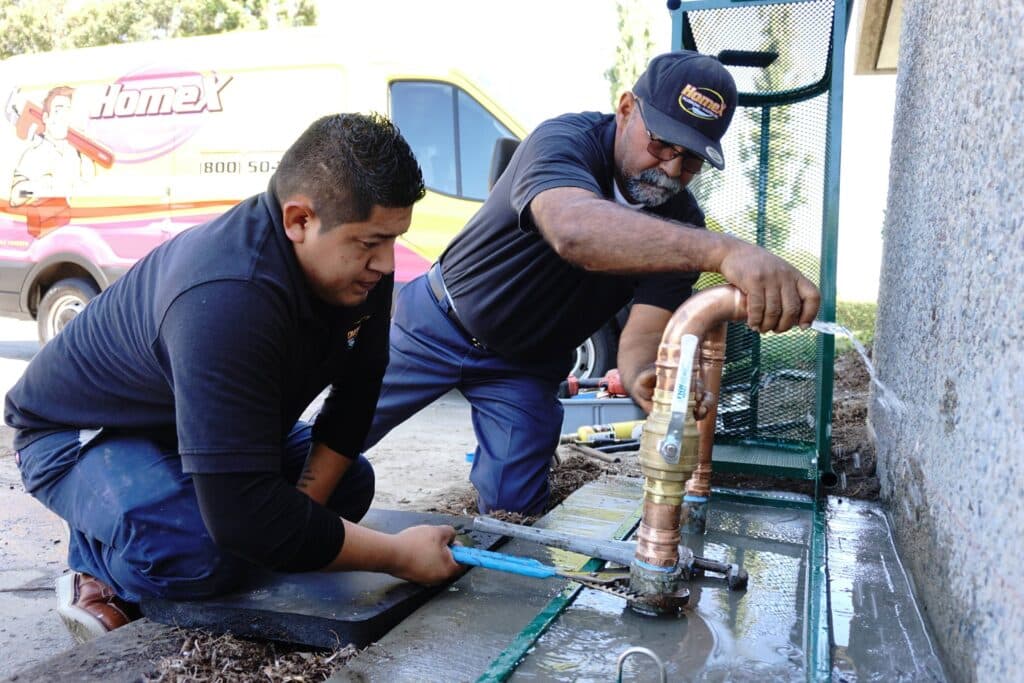
Kahuna Comfort plumbers providing plumbing repair services for leaky pipe

In conclusion, preventive plumbing services are a wise investment for homeowners. They not only save you money in the long run but also enhance the overall functionality, efficiency, and safety of your plumbing system. By proactively addressing potential issues, you’ll enjoy peace of mind and a more comfortable, worry-free living environment.

If you have plumbing problems that require an expert, do not hesitate to call us. We are the best from Thousand Oaks to Riverside.

7 Tips to Prevent Plumbing Problems at Home

Plumbing is an essential part of any home, but it’s often taken for granted until something goes wrong. Leaks, blockages, and other plumbing issues can cause significant inconvenience and unexpected expenses. However, many of these problems can be avoided with proper maintenance and some simple habits. In this article, we’ll share some tips to help you prevent plumbing problems at home and keep your water system in optimal condition.

1. Regular Inspection.

Regularly inspect your pipes, faucets, toilets, and drainage systems for signs of leaks, drips, or corrosion. Address any issues immediately to prevent them from worsening.

2. Don’t Overload Toilets and Drains.

Avoid flushing excessive toilet paper, personal hygiene products, disposable wipes, or kitchen grease down the sink. These items can clog pipes and lead to serious plumbing problems.

3. Install Drain Guards.

Install drain guards in sinks and bathtubs to catch hair and other debris before it enters the pipes, making it easier to remove and prevent clogs.

4. Check Water Pressure.

Excessively high water pressure can damage pipes and appliances over time. Use a water pressure gauge to ensure it’s within the recommended range, usually between 40 and 60 PSI. Consider installing a pressure regulator if needed.

5. Insulate Pipes in Winter.

Protect your pipes from freezing in cold climates by insulating exposed pipes and disconnecting garden hoses in winter to prevent freezing and bursting.

6. Schedule Regular Maintenance.

Investing in regular preventive maintenance by hiring a professional plumber can identify potential issues and perform necessary repairs before they escalate into costly emergencies.

7. Close the Main Valve When Away.

If you plan to be away from home for an extended period, close the main water valve to prevent potential leaks or unexpected floods while you’re not present.

By following these tips, you can significantly reduce the likelihood of plumbing problems in your home. Prevention and proper maintenance are essential for keeping your plumbing system in good shape and saving money in the long run.

However, if you already have plumbing problems in your home, you can always call Kahuna Comfort for our premium services.

Kahuna Comfort Plumbing, Heating, & Air's team member in the Anaheim area

7 Tips to Prevent Plumbing Problems at Home

Plumbing is an essential part of any home, but it’s often taken for granted until something goes wrong. Leaks, blockages, and other plumbing issues can cause significant inconvenience and unexpected expenses. However, many of these problems can be avoided with proper maintenance and some simple habits. In this article, we’ll share some tips to help you prevent plumbing problems at home and keep your water system in optimal condition.

1. Regular Inspection.

Regularly inspect your pipes, faucets, toilets, and drainage systems for signs of leaks, drips, or corrosion. Address any issues immediately to prevent them from worsening.

2. Don’t Overload Toilets and Drains.

Avoid flushing excessive toilet paper, personal hygiene products, disposable wipes, or kitchen grease down the sink. These items can clog pipes and lead to serious plumbing problems.

3. Install Drain Guards.

Install drain guards in sinks and bathtubs to catch hair and other debris before it enters the pipes, making it easier to remove and prevent clogs.

4. Check Water Pressure.

Excessively high water pressure can damage pipes and appliances over time. Use a water pressure gauge to ensure it’s within the recommended range, usually between 40 and 60 PSI. Consider installing a pressure regulator if needed.

5. Insulate Pipes in Winter.

Protect your pipes from freezing in cold climates by insulating exposed pipes and disconnecting garden hoses in winter to prevent freezing and bursting.

6. Schedule Regular Maintenance.

Investing in regular preventive maintenance by hiring a professional plumber can identify potential issues and perform necessary repairs before they escalate into costly emergencies.

7. Close the Main Valve When Away.

If you plan to be away from home for an extended period, close the main water valve to prevent potential leaks or unexpected floods while you’re not present.

By following these tips, you can significantly reduce the likelihood of plumbing problems in your home. Prevention and proper maintenance are essential for keeping your plumbing system in good shape and saving money in the long run.

However, if you already have plumbing problems in your home, you can always call Kahuna Comfort for our premium services.

Kahuna Comfort Plumbing, Heating, & Air's team member in the Anaheim area

How to Know If Your House Needs Plumbing Maintenance?

Your home’s plumbing system plays a vital role in ensuring the smooth flow of water and maintaining a comfortable living environment. However, over time, wear and tear can occur, leading to plumbing issues that can disrupt your daily routine. To avoid costly repairs and unexpected emergencies, regular plumbing maintenance is essential. If you are asking how to know if your house needs plumbing maintenance, here are some key signs to watch for and maintenance tips to keep your home’s water systems in excellent condition.

Watch for Warning Signs.

Several indicators can suggest that your home needs plumbing maintenance. These signs include slow drainage, low water pressure, recurring leaks, foul odors, and unusual sounds coming from the pipes. Pay attention to these warnings as they can indicate underlying issues that require immediate attention.

Schedule Regular Inspections.

Preventive maintenance is crucial to catch plumbing problems before they escalate. Consider scheduling regular inspections with a professional plumber who can assess your plumbing system for any hidden leaks, corrosion, or potential issues. Regular inspections can help you identify problems early on, saving you from costly repairs and water damage.

plumber expert - how to know if my house needs a plumber?
Incorporating a regular inspection of your home’s water systems into your routine is a highly recommended practice.

Maintain Drainage Systems.

Clogged drains are a common plumbing issue that can lead to water backups and other complications. Avoid pouring grease, coffee grounds, or other debris down the drain, and use drain covers to prevent hair and debris from entering the pipes. Regularly clean your drains using natural remedies or approved drain cleaners to keep them clear. If you encounter any issues with your household drains, don’t hesitate to give us a call and inquire about our drain cleaning service!

How to know if a house needs plumbing maintenance? Try to clean your drains more often
Remember to refrain from pouring heavy substances or garbage down your household drains.

Winterize Your Plumbing.

In colder climates, freezing temperatures can cause pipes to burst, leading to significant water damage. Before the winter season arrives, insulate exposed pipes, disconnect outdoor hoses, and consider installing pipe insulation sleeves. Taking these preventive measures can protect your plumbing system during freezing weather.

Regular plumbing maintenance is essential for a well-functioning home. By paying attention to warning signs, scheduling inspections, maintaining drainage systems, and winterizing your plumbing, you can prevent costly repairs and ensure a smoothly running water system. Remember, proactive maintenance is the key to a hassle-free and functional home.

Now you know how to know if your house needs a plumber maintenance, don’t forget to follow us on Instagram, where we share a wealth of useful tips on these subjects.

How to Know If Your House Needs Plumbing Maintenance?

Your home’s plumbing system plays a vital role in ensuring the smooth flow of water and maintaining a comfortable living environment. However, over time, wear and tear can occur, leading to plumbing issues that can disrupt your daily routine. To avoid costly repairs and unexpected emergencies, regular plumbing maintenance is essential. If you are asking how to know if your house needs plumbing maintenance, here are some key signs to watch for and maintenance tips to keep your home’s water systems in excellent condition.

Watch for Warning Signs.

Several indicators can suggest that your home needs plumbing maintenance. These signs include slow drainage, low water pressure, recurring leaks, foul odors, and unusual sounds coming from the pipes. Pay attention to these warnings as they can indicate underlying issues that require immediate attention.

Schedule Regular Inspections.

Preventive maintenance is crucial to catch plumbing problems before they escalate. Consider scheduling regular inspections with a professional plumber who can assess your plumbing system for any hidden leaks, corrosion, or potential issues. Regular inspections can help you identify problems early on, saving you from costly repairs and water damage.

plumber expert - how to know if my house needs a plumber?
Incorporating a regular inspection of your home’s water systems into your routine is a highly recommended practice.

Maintain Drainage Systems.

Clogged drains are a common plumbing issue that can lead to water backups and other complications. Avoid pouring grease, coffee grounds, or other debris down the drain, and use drain covers to prevent hair and debris from entering the pipes. Regularly clean your drains using natural remedies or approved drain cleaners to keep them clear. If you encounter any issues with your household drains, don’t hesitate to give us a call and inquire about our drain cleaning service!

How to know if a house needs plumbing maintenance? Try to clean your drains more often
Remember to refrain from pouring heavy substances or garbage down your household drains.

Winterize Your Plumbing.

In colder climates, freezing temperatures can cause pipes to burst, leading to significant water damage. Before the winter season arrives, insulate exposed pipes, disconnect outdoor hoses, and consider installing pipe insulation sleeves. Taking these preventive measures can protect your plumbing system during freezing weather.

Regular plumbing maintenance is essential for a well-functioning home. By paying attention to warning signs, scheduling inspections, maintaining drainage systems, and winterizing your plumbing, you can prevent costly repairs and ensure a smoothly running water system. Remember, proactive maintenance is the key to a hassle-free and functional home.

Now you know how to know if your house needs a plumber maintenance, don’t forget to follow us on Instagram, where we share a wealth of useful tips on these subjects.

Book Online

"*" indicates required fields

This field is for validation purposes and should be left unchanged.

By clicking “Send Message”, I am providing express written consent to receive autodialed and pre-recorded calls, texts, and SMS/MMS with marketing communications from Kahuna Comfort regarding home services at the phone number provided above, even if the number is on a corporate, state, or national Do Not Call list. Consent is not a condition to purchase services or products.

Â