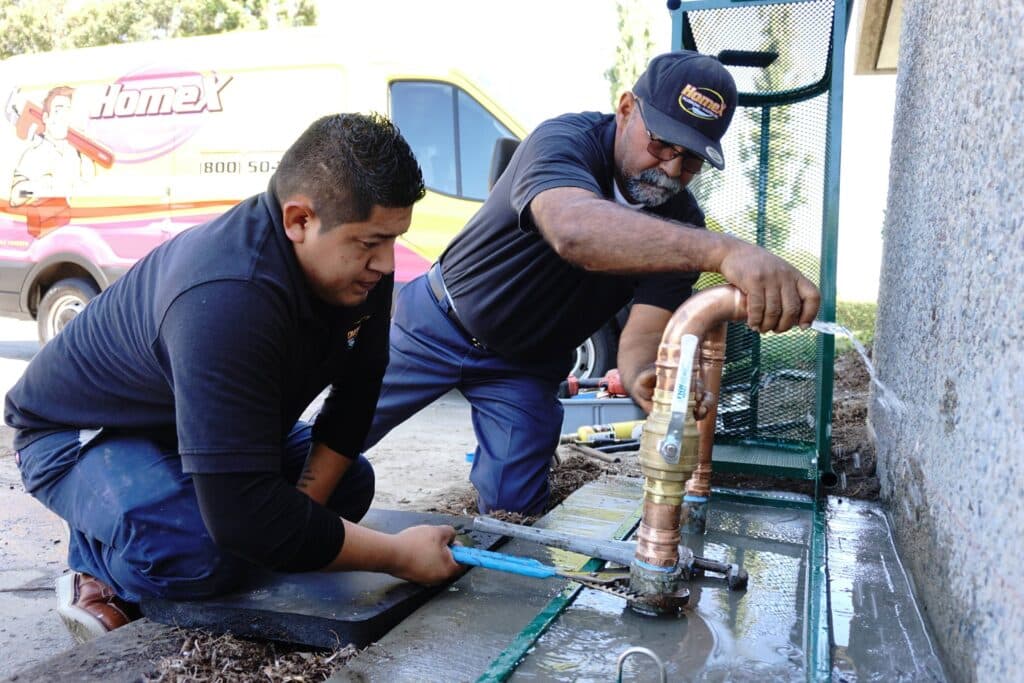
🎉 Exciting News: Home X is now Kahuna Comfort Plumbing, Heating & Air! 🎉

Tag: plumber

Keeping Rust at Bay: Preserving Your Plumbing System

Rust in pipes can spell trouble for your plumbing system, leading to corrosion, leaks, and water quality issues. Proactive measures can help avoid rust, and understanding when to replace rusty pipes is crucial for maintaining a healthy plumbing system.

Preventing Rust in Pipes:

  1. Regular Inspections:
    Conduct routine visual inspections of exposed pipes. Look for any signs of rust, discoloration, or corrosion.
  2. Invest in Corrosion-Resistant Pipes:
    When installing or replacing pipes, opt for materials resistant to corrosion. Stainless steel, copper, and PVC are excellent choices that resist rust formation.
  3. Control Water pH:
    Acidic water can accelerate rusting. Test your water’s pH and, if necessary, install a water softener to maintain a balanced pH level.
  4. Use Water Filters:
    Install water filters to trap sediments and impurities that can contribute to rust formation. Regularly replace filters to ensure optimal efficiency.
  5. Address Leaks Promptly:
    Even small leaks can contribute to rust. Promptly fix any leaks in your plumbing system to prevent water exposure to vulnerable areas.

When to Change Rusty Pipes:

  1. Visible Rust:
    If pipes show visible signs of rust or corrosion, it’s a clear indication that replacement is necessary. Rust compromises the structural integrity of the pipes.
  2. Low Water Quality:
    Rusty pipes can lead to discolored or foul-smelling water. If you notice a decline in water quality, it’s time to investigate and consider replacing affected pipes.
  3. Frequent Leaks:
    Persistent leaks, especially around joints or rusty areas, are a red flag. These indicate that the pipes are deteriorating and need attention.
  4. Reduced Water Pressure:
    Rust buildup can constrict the flow of water, leading to reduced water pressure. If you experience a noticeable decrease in pressure, rusty pipes could be the culprit.
  5. Age of Pipes:
    Pipes have a lifespan, and if your plumbing system is composed of aging pipes, consider replacing them proactively to prevent rust-related issues.

Conclusion:

Avoiding rust in pipes is a proactive endeavor involving regular inspections, water quality management, and prompt leak repairs. Recognizing the signs of rusty pipes and knowing when to replace them ensures the longevity and efficiency of your plumbing system.

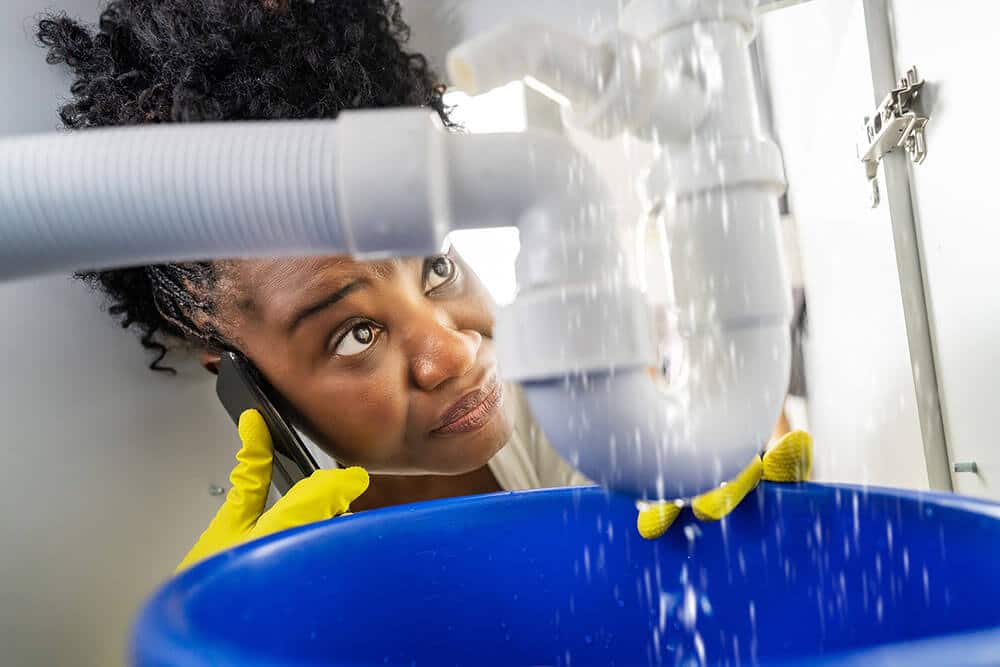
Stressed out customer on the phone with a plumbing service as they watch their drain leak

The Risks of DIY Plumbing

When faced with plumbing issues at home, many homeowners consider tackling the problem themselves to save money. While DIY can be a rewarding endeavor, plumbing is one area where it’s crucial to weigh the risks carefully.

Some significant risks are associated with performing plumbing work yourself instead of calling in a professional expert.

risks of diy plumbing
  • Inadequate Knowledge:
    Plumbing is a complex field that requires a deep understanding of pipe systems, fixtures, codes, and regulations. Attempting DIY plumbing without proper knowledge can lead to mistakes that may worsen the problem or even create new issues.
  • Safety Hazards:
    Plumbing involves working with water, pipes, and sometimes electrical components. Incorrect handling can result in accidents, such as slips, burns, electrical shocks, or flooding. Professionals are trained to prioritize safety.
  • Potential for Property Damage:
    A simple mistake, such as overtightening a pipe or using the wrong materials, can cause extensive property damage. Water damage, in particular, can lead to costly repairs and mold issues.
  • Legal Issues:
    Improper plumbing work may violate local building codes and regulations. If your DIY project doesn’t meet these standards, you could face legal consequences or difficulties when selling your home.
  • Increased Costs:
    Contrary to the initial intent of saving money, DIY plumbing can often end up costing more in the long run. If your work leads to problems that require professional intervention, you’ll incur both repair costs and the original expense.
  • Unresolved Issues:
    Inexperienced plumbers might address the visible symptoms of a problem without identifying the root cause. This can lead to recurring issues that worsen over time.
  • Limited Tools and Resources:
    Professionals have access to specialized tools and resources that homeowners typically lack. These tools are essential for accurate diagnosis and efficient repairs.
  • Time and Frustration:
    DIY plumbing projects can be time-consuming and frustrating, especially if you encounter unexpected challenges. Hiring a professional can save you time and stress.
  • Warranty Issues:
    Many plumbing fixtures come with warranties that can become void if they are not installed or serviced by licensed professionals. DIY work may jeopardize your warranty coverage.
  • Lack of Insurance:
    Professional plumbers typically carry liability insurance, which provides protection in case of accidents or damages. DIYers do not have this safety net.

While DIY projects can be rewarding and cost-effective in some areas of home improvement, plumbing is not one of them. The risks associated with DIY plumbing work are substantial and can lead to more significant expenses, safety hazards, and legal complications. For the sake of your home and your peace of mind, it’s often best to leave plumbing to the experts who have the knowledge, experience, and tools to get the job done safely and effectively.

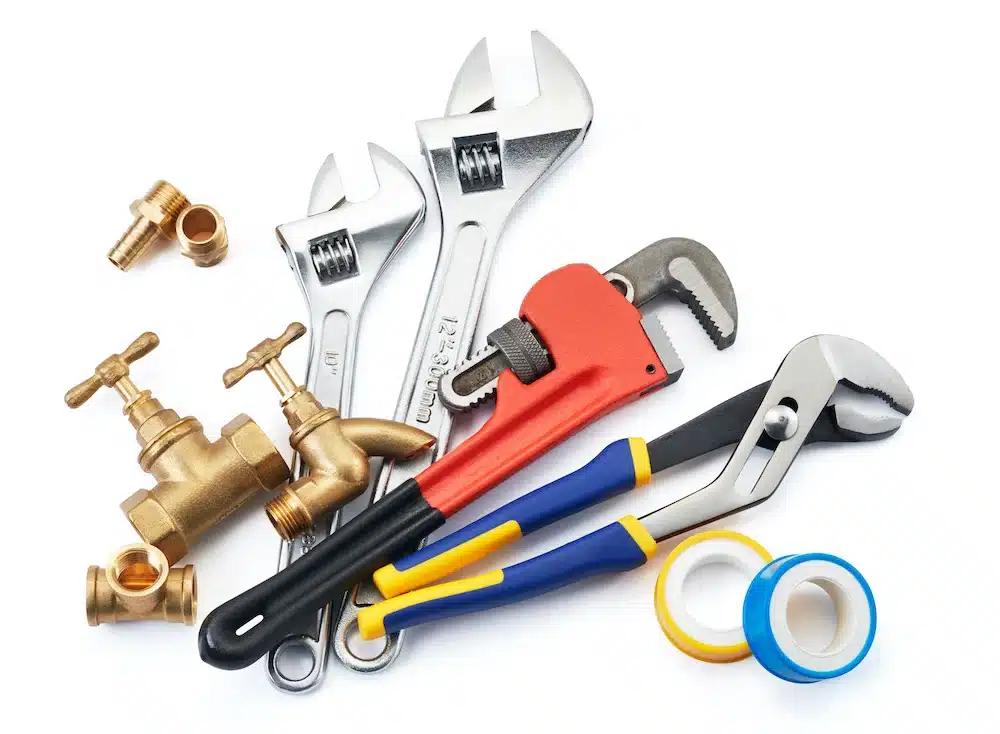
A Guide to Different Wrenches in Plumbing Services.

In the world of plumbing, having the right tools can make all the difference in tackling various tasks effectively. Wrenches, in particular, are essential tools for plumbers, and there are several different types, each designed for specific purposes. In this article, we’ll explore some common wrenches used in plumbing services and how to use each one.

Different Wrenches for Plumbing Services.

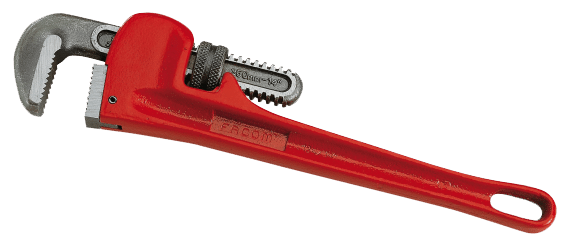
1. Pipe Wrench:

A pipe wrench is a classic plumbing tool recognizable by its distinctive toothed jaw. It’s used for gripping and turning threaded pipes and fittings. To use it, place the wrench’s jaw on the pipe or fitting and turn it in the direction you want to tighten or loosen. Pipe wrenches come in various sizes to accommodate different pipe diameters.

different wrenches in plumbing. This image is a pipe wrench

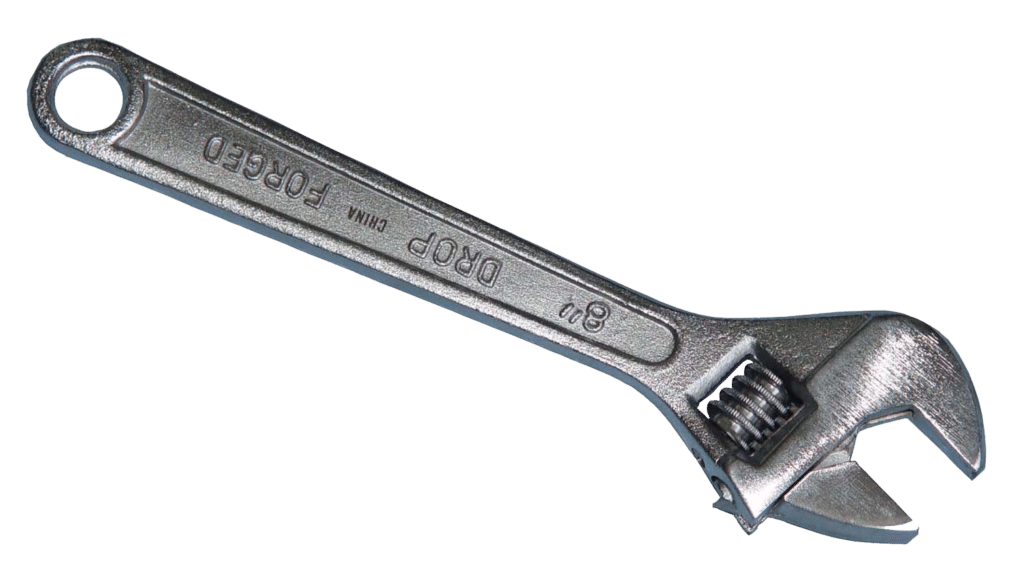
2. Adjustable Wrench:

Also known as a crescent wrench, an adjustable wrench is versatile and used for a wide range of plumbing tasks. To use it, adjust the wrench to fit the size of the nut or bolt you’re working with, then turn it in the desired direction. It’s handy for tightening nuts on faucets and other fixtures.

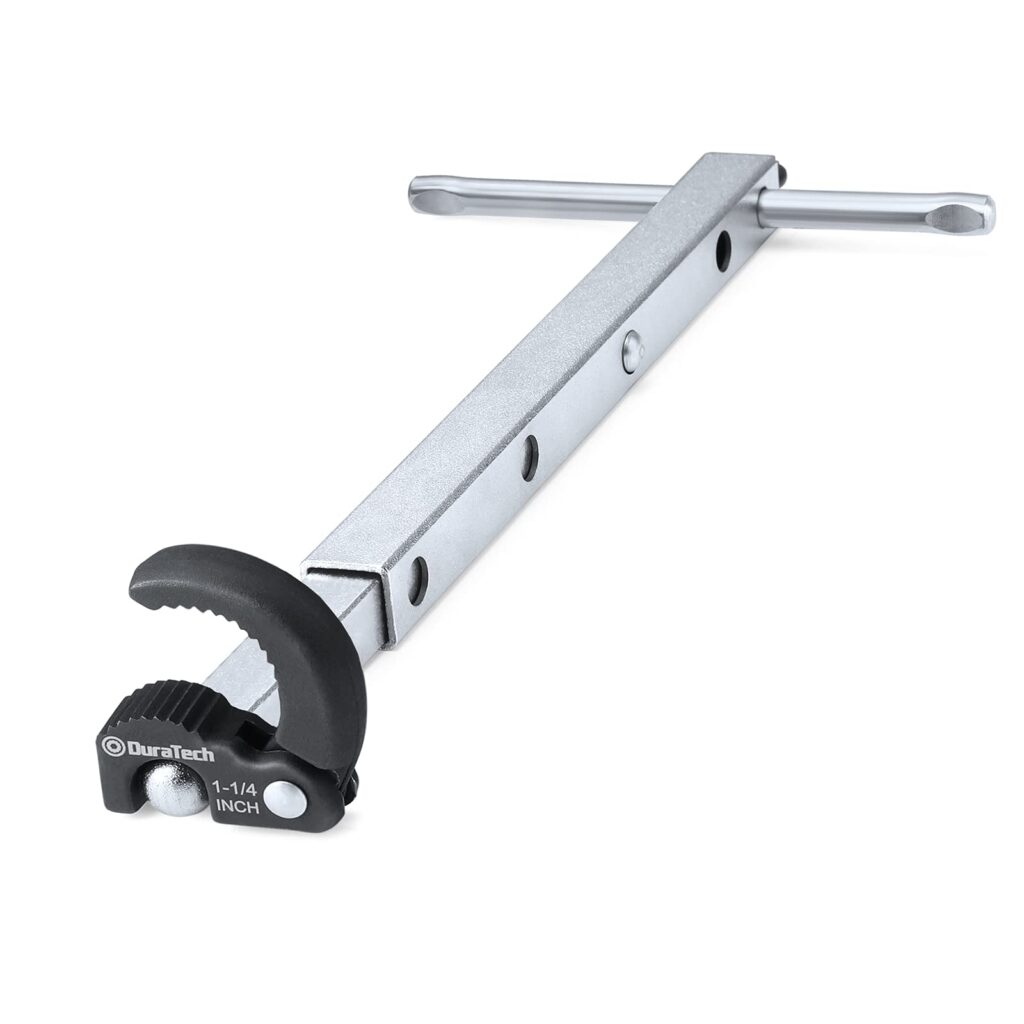
3. Basin Wrench:

A basin wrench is designed for working in tight spaces, particularly under sinks and behind toilets. It has a long, slender handle with a swiveling jaw that grips the nuts holding faucets in place. Use it to reach and tighten or loosen these nuts without disassembling the entire fixture.

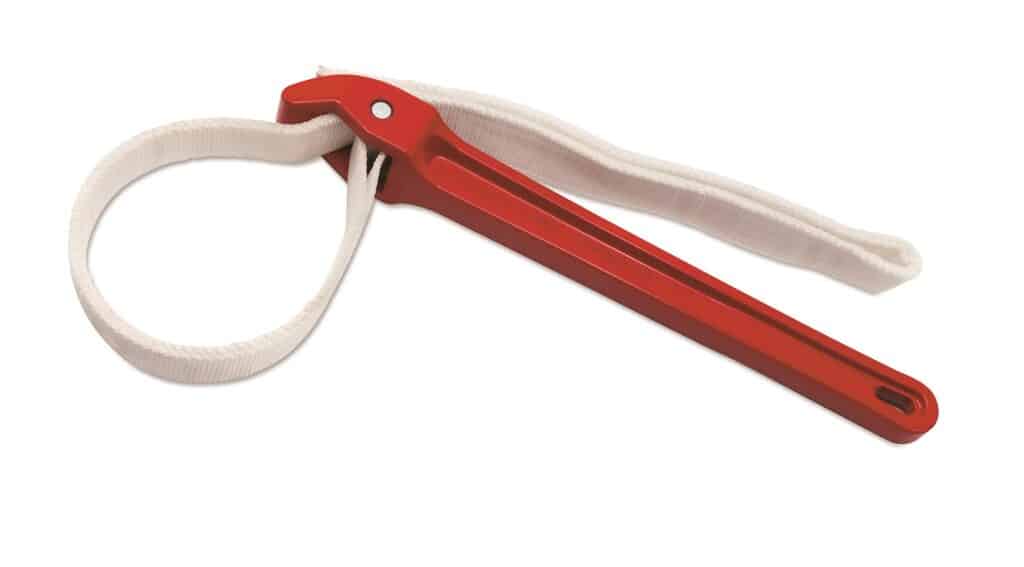
4. Strap Wrench:

Strap wrenches are ideal for working with smooth or polished pipes and fixtures, such as chrome or plastic. They have a flexible strap that wraps around the pipe, providing a firm grip without damaging the surface. Simply wrap the strap around the pipe and use the handle to tighten or loosen.

adjustable strap wrench plumbing services

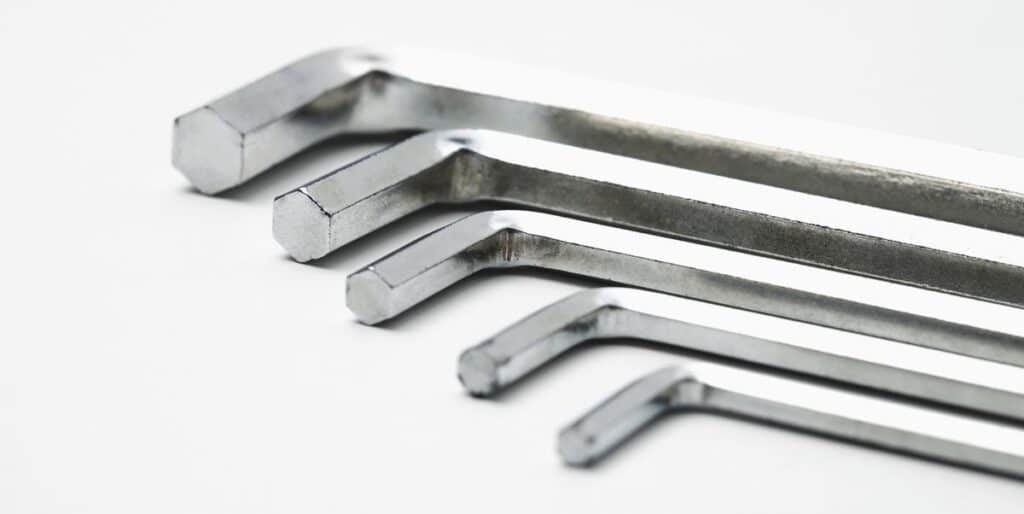
5. Allen Wrench (Hex Key):

Allen wrenches, or hex keys, are used for tasks that require turning hexagonal sockets, such as those found on some faucet handles. Insert the appropriate size Allen wrench into the socket and turn it to make adjustments or remove handles.

many sizes of allen. services in anaheim, los angeles, professional plumbing in fullerton

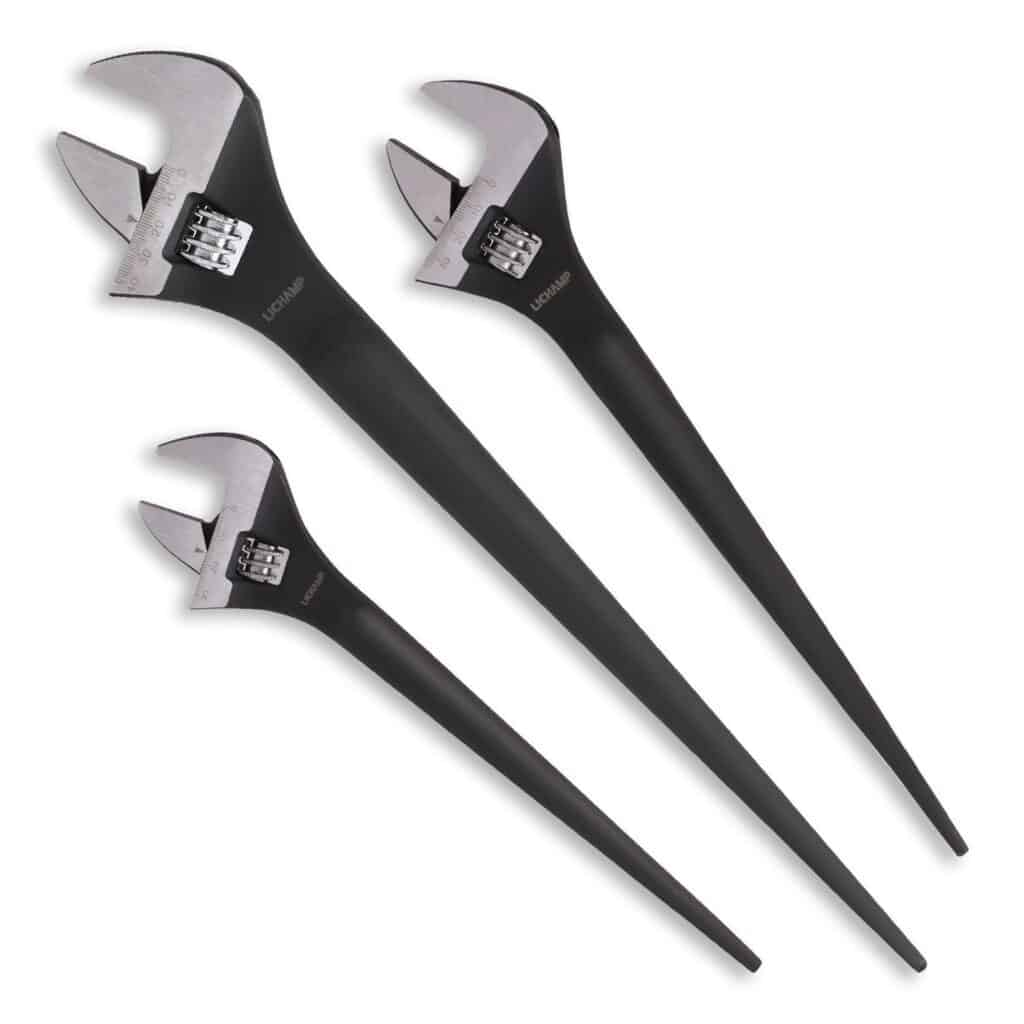
6. Spud Wrench:

Spud wrenches are specialized tools for installing and removing spuds, which are fittings used in certain types of faucets and toilets. These wrenches have a tapered handle and a flat, square jaw for a secure grip on spuds.

different sizes of spud wrenches. Typical wrench for plumbing services in anaheim, los angeles, fullerton thousand oaks

Remember, safety is paramount when using any tools, especially in plumbing. Always use the right wrench for the job and apply force carefully to avoid damaging pipes or fixtures. If you’re unsure about which wrench to use or how to perform a specific plumbing task, it’s best to consult a professional plumber who can guide you or handle the job safely and effectively.

Using each tool for its intended purpose is crucial and sets apart a quality plumbing service. If you’re seeking exceptional plumbing service, keep in mind that we’re the best in the area, serving not only Anaheim but also Fullerton, Torrance, Long Beach, Santa Monica, and even Thousand Oaks. Get in touch with us to schedule a service today!

8 Benefits of Preventive Plumbing Services.

Investing in preventive plumbing services offers numerous benefits, including early problem detection, extended system lifespan, improved water efficiency, and better water quality. It reduces emergency calls, provides peace of mind, ensures compliance with codes, and promotes eco-friendly practices. Overall, preventive plumbing services are a wise investment for homeowners.

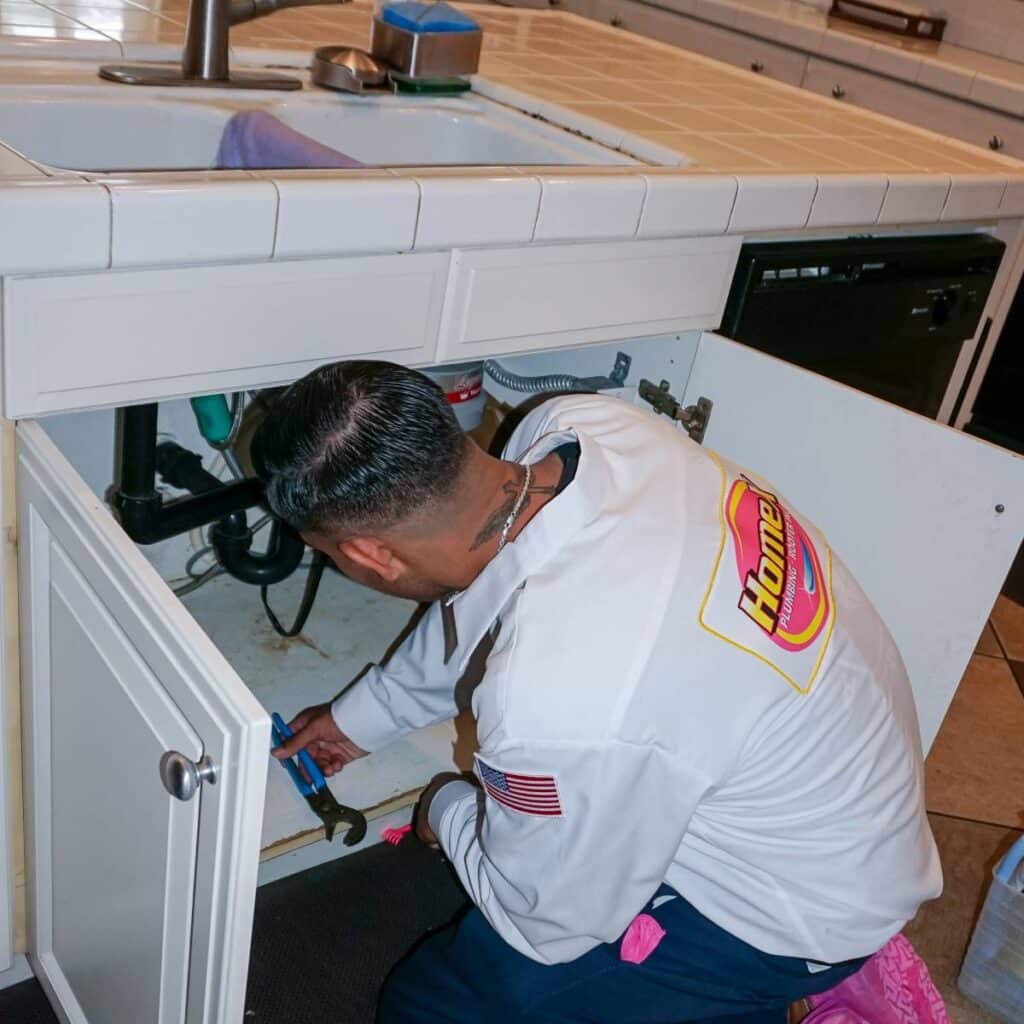
Kahuna Comfort plumber providing a plumbing repair for kitchen sink

When it comes to your home’s plumbing system, an old adage holds true: “An ounce of prevention is worth a pound of cure.” Preventive plumbing services, also known as plumbing maintenance, involve regular check-ups and maintenance tasks performed by professional plumbers. While it might seem like an unnecessary expense, investing in preventive plumbing services offers several significant benefits.

  1. Early Problem Detection:
    One of the primary advantages of preventive plumbing services is the early detection of potential issues. Professional plumbers can identify and address minor problems before they escalate into costly emergencies. This proactive approach can save you both money and stress in the long run.
  1. Extended System Lifespan:
    Regular maintenance helps extend the lifespan of your plumbing system. Well-maintained pipes, fixtures, and appliances are less likely to wear out prematurely. This means you won’t have to replace them as often, which can be a significant financial relief.
  1. Improved Water Efficiency:
    Preventive plumbing services can also improve your home’s water efficiency. Plumbers can identify and repair leaks, replace outdated fixtures with more efficient ones, and recommend water-saving upgrades. This not only reduces your water bills but also conserves a precious resource.
  1. Better Water Quality:
    Water quality is essential for your family’s health and comfort. Preventive plumbing services can include inspecting and maintaining water heaters, water filtration systems, and water softeners. This ensures that your water is clean, safe, and free from contaminants.
  1. Reduced Emergency Calls:
    By addressing issues before they become emergencies, you’ll significantly reduce the need for emergency plumbing calls. Emergency plumbing services can be costly, especially during off-hours or holidays. Preventive maintenance helps you avoid such unexpected expenses.
  1. Peace of Mind:
    Knowing that your plumbing system is well-maintained and less likely to fail gives you peace of mind. You can go about your daily life without worrying about sudden leaks, burst pipes, or other plumbing disasters.
  1. Compliance with Codes and Regulations:
    Regular plumbing maintenance ensures that your system complies with local building codes and regulations. This is crucial if you plan to sell your home in the future, as non-compliance issues can delay or complicate the selling process.
  1. Eco-Friendly Practices:
    Many preventive plumbing measures are environmentally friendly. Reducing water waste and conserving resources through efficient plumbing practices contributes to a more sustainable and eco-friendly household.
Kahuna Comfort plumbers providing plumbing repair services for leaky pipe

In conclusion, preventive plumbing services are a wise investment for homeowners. They not only save you money in the long run but also enhance the overall functionality, efficiency, and safety of your plumbing system. By proactively addressing potential issues, you’ll enjoy peace of mind and a more comfortable, worry-free living environment.
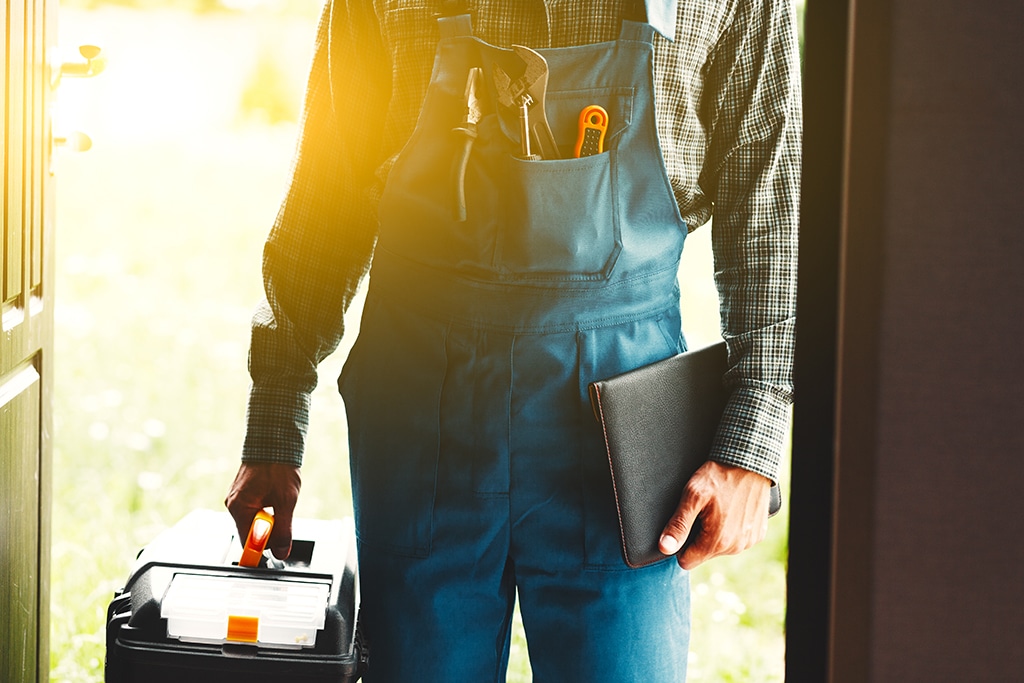
If you have plumbing problems that require an expert, do not hesitate to call us. We are the best from Thousand Oaks to Riverside.

How to Prepare Yourself and Your Home for a Professional Plumbing Service Visit

Preparing for a visit from a professional plumber is essential for efficient problem-solving. Identify and document the plumbing issue, clear the work area, shut off the water supply if necessary, and communicate clearly with the plumber. Asking questions, preparing for payment, and planning for follow-up visits can make the experience smoother and more effective.

When you’re facing plumbing issues at home, calling in a professional plumber is often the best course of action. However, proper preparation can make the plumber’s visit more efficient and ensure that you get the most out of their expertise. In this article, we’ll guide you through the steps to prepare yourself and your house for the visit of a professional plumbing service.

1. Identify the Issue.

Before the plumber arrives, take some time to identify and document the plumbing issue. Make a list of symptoms, such as leaks, slow drains, or strange noises. Knowing the specific problem and its location will help the plumber diagnose and resolve the issue more effectively.

2. Clear the Work Area.

Ensure that the area around the plumbing fixtures or appliances in question is clear of any clutter or obstacles. Clearing the space gives the plumber easy access to the problem area, making their work safer and more efficient.

3. Shut Off Water Supply.

Locate the main water shutoff valve in your home and make sure you know how to turn it off. In case of an emergency or if the plumber needs to work on specific fixtures, being able to cut off the water supply can prevent potential flooding.

4. Communicate Clearly.

When the plumber arrives, provide them with the information you gathered about the plumbing issue. Be specific about any recent changes or events that might be relevant, such as recent repairs or renovations. Clear communication helps the plumber understand the situation better.

5. Ask Questions.

Don’t hesitate to ask questions or seek advice from the plumber. They can provide valuable insights into maintenance and prevention strategies. Understanding the root cause of the issue and how to prevent it in the future can save you time and money down the road.

6. Prepare for Payment.

Be ready to discuss payment terms with the plumber. This includes understanding their pricing structure, payment methods accepted, and any potential additional costs. Having this information upfront can prevent misunderstandings later.

7. Plan for Follow-Up.

In some cases, plumbing issues may require follow-up visits or additional work. Discuss the possibility of future appointments or preventive maintenance with the plumber to keep your plumbing system in top condition.

After reading this comprehensive guide, if you feel prepared to have a plumber visit your home, simply pick up the phone and give us a call to discover the best plumbing services with Kahuna Comfort.


How to Prepare Yourself and Your Home for a Professional Plumbing Service Visit

Preparing for a visit from a professional plumber is essential for efficient problem-solving. Identify and document the plumbing issue, clear the work area, shut off the water supply if necessary, and communicate clearly with the plumber. Asking questions, preparing for payment, and planning for follow-up visits can make the experience smoother and more effective.

When you’re facing plumbing issues at home, calling in a professional plumber is often the best course of action. However, proper preparation can make the plumber’s visit more efficient and ensure that you get the most out of their expertise. In this article, we’ll guide you through the steps to prepare yourself and your house for the visit of a professional plumbing service.

1. Identify the Issue.

Before the plumber arrives, take some time to identify and document the plumbing issue. Make a list of symptoms, such as leaks, slow drains, or strange noises. Knowing the specific problem and its location will help the plumber diagnose and resolve the issue more effectively.

2. Clear the Work Area.

Ensure that the area around the plumbing fixtures or appliances in question is clear of any clutter or obstacles. Clearing the space gives the plumber easy access to the problem area, making their work safer and more efficient.

3. Shut Off Water Supply.

Locate the main water shutoff valve in your home and make sure you know how to turn it off. In case of an emergency or if the plumber needs to work on specific fixtures, being able to cut off the water supply can prevent potential flooding.

4. Communicate Clearly.

When the plumber arrives, provide them with the information you gathered about the plumbing issue. Be specific about any recent changes or events that might be relevant, such as recent repairs or renovations. Clear communication helps the plumber understand the situation better.

5. Ask Questions.

Don’t hesitate to ask questions or seek advice from the plumber. They can provide valuable insights into maintenance and prevention strategies. Understanding the root cause of the issue and how to prevent it in the future can save you time and money down the road.

6. Prepare for Payment.

Be ready to discuss payment terms with the plumber. This includes understanding their pricing structure, payment methods accepted, and any potential additional costs. Having this information upfront can prevent misunderstandings later.

7. Plan for Follow-Up.

In some cases, plumbing issues may require follow-up visits or additional work. Discuss the possibility of future appointments or preventive maintenance with the plumber to keep your plumbing system in top condition.

After reading this comprehensive guide, if you feel prepared to have a plumber visit your home, simply pick up the phone and give us a call to discover the best plumbing services with Kahuna Comfort.