🎉 Exciting News: Home X is now Kahuna Comfort Plumbing, Heating & Air! 🎉

Tag: plumbing issues

The Dos and Definitely-Don’ts of Unclogging Drains and Toilets

Dealing with a clogged drain or toilet can be as unpleasant as finding a surprise guest in your bathtub. While the temptation to channel your inner DIY-plumber is strong, some actions should come with a hazard sign and a “Don’t even think about it!” Here are the definitely-don’ts:
The Chemical Cocktail:
Mixing random chemical drain cleaners is like creating a science experiment gone wrong. It might not end in a volcanic eruption, but the toxic fumes and potential reactions could make your plumbing system wish it had a hazmat suit.

Superhero Cape Down the Toilet:
Flushing things like paper towels, diapers, or your cousin’s ill-fated superhero cape down the toilet won’t make them magically disappear. In fact, it might just create a plumbing villain with a vengeance.

Tree Roots vs. Garden Hose:
Trying to blast away tree roots with a garden hose is like bringing a water pistol to a root wrestling match. Roots need professional attention; your garden hose just needs to stick to watering plants.

Coat Hanger Circus Act:
Fashioning a coat hanger into a makeshift plumbing tool might seem resourceful, but your pipes will likely disagree. That clinking and clanking could be the overture to a disastrous drain symphony.

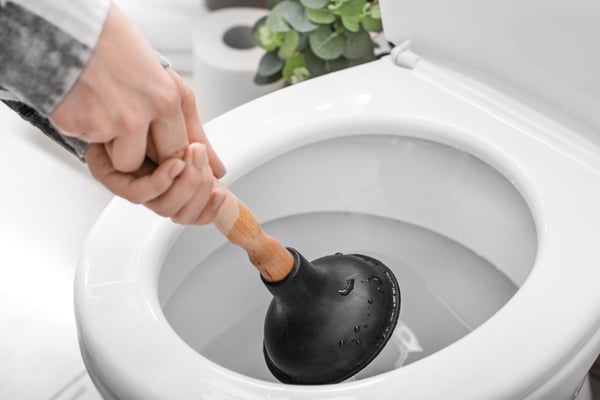
The Overly Ambitious Plunger:
A plunger is a trusty sidekick, but an overly ambitious plunging session can turn your bathroom into a splash zone. Plunge wisely, and remember, it’s about pressure, not Olympic diving.

The MacGyver Garbage Disposal Fix:
Attempting to MacGyver your garbage disposal with makeshift tools is a recipe for a sitcom-worthy disaster. Spare yourself the sitcom laughter; let a professional handle it.

The DIY “Drain Snake” Dance:
Macarena? Electric Slide? No, it’s the DIY drain snake dance. A real drain snake is a pro’s tool, not a dance partner. Leave the waltzing to the experts.

The Risks of DIY Plumbing

When faced with plumbing issues at home, many homeowners consider tackling the problem themselves to save money. While DIY can be a rewarding endeavor, plumbing is one area where it’s crucial to weigh the risks carefully.

Some significant risks are associated with performing plumbing work yourself instead of calling in a professional expert.

risks of diy plumbing
  • Inadequate Knowledge:
    Plumbing is a complex field that requires a deep understanding of pipe systems, fixtures, codes, and regulations. Attempting DIY plumbing without proper knowledge can lead to mistakes that may worsen the problem or even create new issues.
  • Safety Hazards:
    Plumbing involves working with water, pipes, and sometimes electrical components. Incorrect handling can result in accidents, such as slips, burns, electrical shocks, or flooding. Professionals are trained to prioritize safety.
  • Potential for Property Damage:
    A simple mistake, such as overtightening a pipe or using the wrong materials, can cause extensive property damage. Water damage, in particular, can lead to costly repairs and mold issues.
  • Legal Issues:
    Improper plumbing work may violate local building codes and regulations. If your DIY project doesn’t meet these standards, you could face legal consequences or difficulties when selling your home.
  • Increased Costs:
    Contrary to the initial intent of saving money, DIY plumbing can often end up costing more in the long run. If your work leads to problems that require professional intervention, you’ll incur both repair costs and the original expense.
  • Unresolved Issues:
    Inexperienced plumbers might address the visible symptoms of a problem without identifying the root cause. This can lead to recurring issues that worsen over time.
  • Limited Tools and Resources:
    Professionals have access to specialized tools and resources that homeowners typically lack. These tools are essential for accurate diagnosis and efficient repairs.
  • Time and Frustration:
    DIY plumbing projects can be time-consuming and frustrating, especially if you encounter unexpected challenges. Hiring a professional can save you time and stress.
  • Warranty Issues:
    Many plumbing fixtures come with warranties that can become void if they are not installed or serviced by licensed professionals. DIY work may jeopardize your warranty coverage.
  • Lack of Insurance:
    Professional plumbers typically carry liability insurance, which provides protection in case of accidents or damages. DIYers do not have this safety net.

While DIY projects can be rewarding and cost-effective in some areas of home improvement, plumbing is not one of them. The risks associated with DIY plumbing work are substantial and can lead to more significant expenses, safety hazards, and legal complications. For the sake of your home and your peace of mind, it’s often best to leave plumbing to the experts who have the knowledge, experience, and tools to get the job done safely and effectively.

7 Tips to Prevent Plumbing Problems at Home

Plumbing is an essential part of any home, but it’s often taken for granted until something goes wrong. Leaks, blockages, and other plumbing issues can cause significant inconvenience and unexpected expenses. However, many of these problems can be avoided with proper maintenance and some simple habits. In this article, we’ll share some tips to help you prevent plumbing problems at home and keep your water system in optimal condition.

1. Regular Inspection.

Regularly inspect your pipes, faucets, toilets, and drainage systems for signs of leaks, drips, or corrosion. Address any issues immediately to prevent them from worsening.

2. Don’t Overload Toilets and Drains.

Avoid flushing excessive toilet paper, personal hygiene products, disposable wipes, or kitchen grease down the sink. These items can clog pipes and lead to serious plumbing problems.

3. Install Drain Guards.

Install drain guards in sinks and bathtubs to catch hair and other debris before it enters the pipes, making it easier to remove and prevent clogs.

4. Check Water Pressure.

Excessively high water pressure can damage pipes and appliances over time. Use a water pressure gauge to ensure it’s within the recommended range, usually between 40 and 60 PSI. Consider installing a pressure regulator if needed.

5. Insulate Pipes in Winter.

Protect your pipes from freezing in cold climates by insulating exposed pipes and disconnecting garden hoses in winter to prevent freezing and bursting.

6. Schedule Regular Maintenance.

Investing in regular preventive maintenance by hiring a professional plumber can identify potential issues and perform necessary repairs before they escalate into costly emergencies.

7. Close the Main Valve When Away.

If you plan to be away from home for an extended period, close the main water valve to prevent potential leaks or unexpected floods while you’re not present.

By following these tips, you can significantly reduce the likelihood of plumbing problems in your home. Prevention and proper maintenance are essential for keeping your plumbing system in good shape and saving money in the long run.

However, if you already have plumbing problems in your home, you can always call Kahuna Comfort for our premium services.

Kahuna Comfort Plumbing, Heating, & Air's team member in the Anaheim area

7 Tips to Prevent Plumbing Problems at Home

Plumbing is an essential part of any home, but it’s often taken for granted until something goes wrong. Leaks, blockages, and other plumbing issues can cause significant inconvenience and unexpected expenses. However, many of these problems can be avoided with proper maintenance and some simple habits. In this article, we’ll share some tips to help you prevent plumbing problems at home and keep your water system in optimal condition.

1. Regular Inspection.

Regularly inspect your pipes, faucets, toilets, and drainage systems for signs of leaks, drips, or corrosion. Address any issues immediately to prevent them from worsening.

2. Don’t Overload Toilets and Drains.

Avoid flushing excessive toilet paper, personal hygiene products, disposable wipes, or kitchen grease down the sink. These items can clog pipes and lead to serious plumbing problems.

3. Install Drain Guards.

Install drain guards in sinks and bathtubs to catch hair and other debris before it enters the pipes, making it easier to remove and prevent clogs.

4. Check Water Pressure.

Excessively high water pressure can damage pipes and appliances over time. Use a water pressure gauge to ensure it’s within the recommended range, usually between 40 and 60 PSI. Consider installing a pressure regulator if needed.

5. Insulate Pipes in Winter.

Protect your pipes from freezing in cold climates by insulating exposed pipes and disconnecting garden hoses in winter to prevent freezing and bursting.

6. Schedule Regular Maintenance.

Investing in regular preventive maintenance by hiring a professional plumber can identify potential issues and perform necessary repairs before they escalate into costly emergencies.

7. Close the Main Valve When Away.

If you plan to be away from home for an extended period, close the main water valve to prevent potential leaks or unexpected floods while you’re not present.

By following these tips, you can significantly reduce the likelihood of plumbing problems in your home. Prevention and proper maintenance are essential for keeping your plumbing system in good shape and saving money in the long run.

However, if you already have plumbing problems in your home, you can always call Kahuna Comfort for our premium services.

Kahuna Comfort Plumbing, Heating, & Air's team member in the Anaheim area

Book Online

"*" indicates required fields

This field is for validation purposes and should be left unchanged.

By clicking “Send Message”, I am providing express written consent to receive autodialed and pre-recorded calls, texts, and SMS/MMS with marketing communications from Kahuna Comfort regarding home services at the phone number provided above, even if the number is on a corporate, state, or national Do Not Call list. Consent is not a condition to purchase services or products.

Â