🎉 Exciting News: Home X is now Kahuna Comfort Plumbing, Heating & Air! 🎉

Tag: plumbing

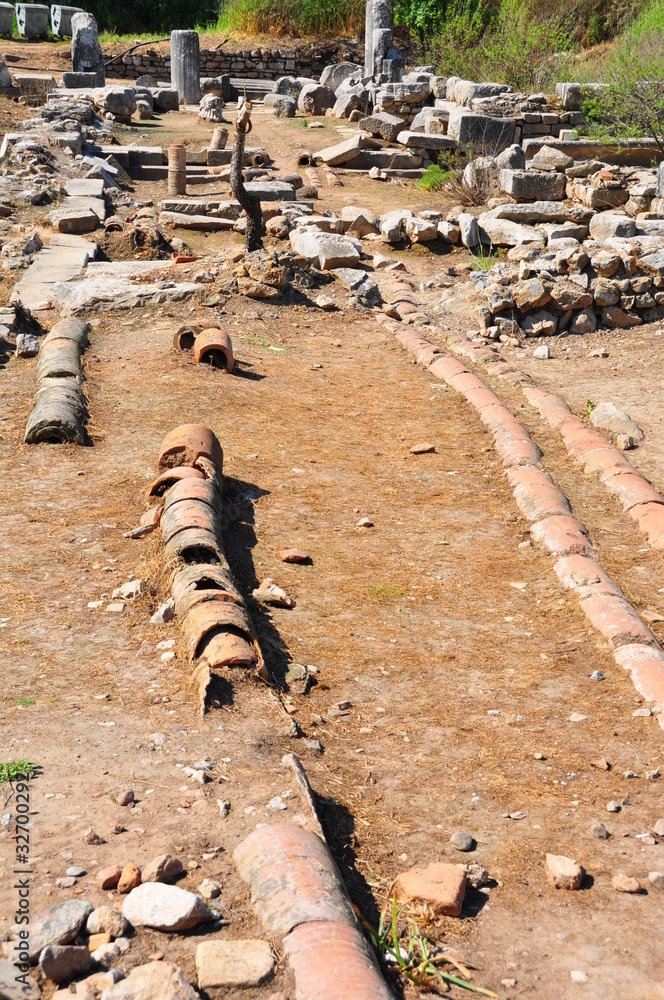
Plumbing’s Origins: A Journey Through History

The evolution of plumbing is a tale that winds through centuries, shaped by ingenious minds determined to make water work for humanity. The origins of plumbing can be traced back to ancient civilizations, with each era contributing to the sophisticated systems we rely on today.
Ancient Mesopotamia:

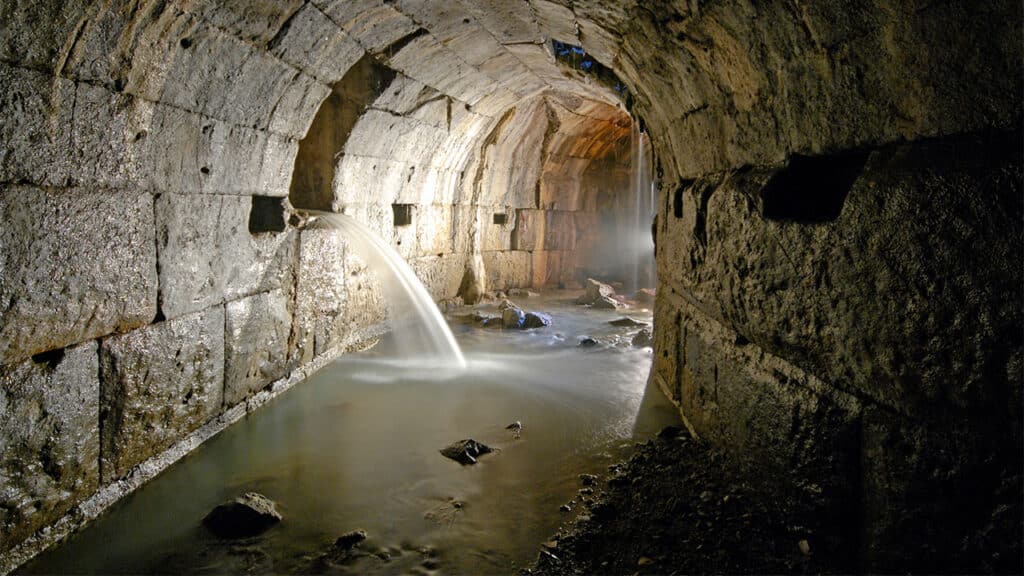
The earliest plumbing systems emerged around 4000 BCE in Mesopotamia, where the ancient inhabitants created rudimentary channels to transport water for agricultural purposes. The famed Hanging Gardens of Babylon likely showcased early irrigation techniques, demonstrating an early understanding of water flow.

Ancient Egypt:

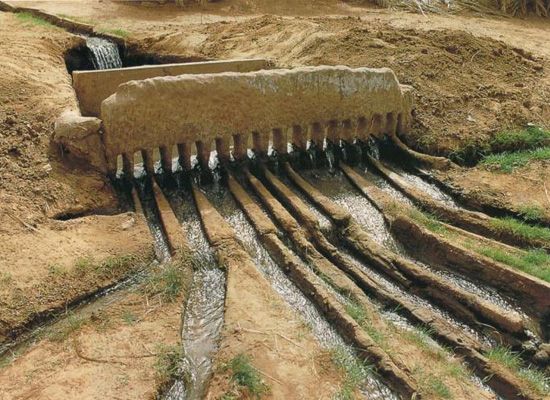
The Egyptians elevated plumbing to an art form. Around 2500 BCE, they constructed complex irrigation systems along the Nile and developed copper pipes for indoor plumbing. Elaborate bathrooms with flushing toilets were present in the homes of the elite, showcasing a remarkable grasp of hydraulic principles.
plumbing history

Ancient Rome:

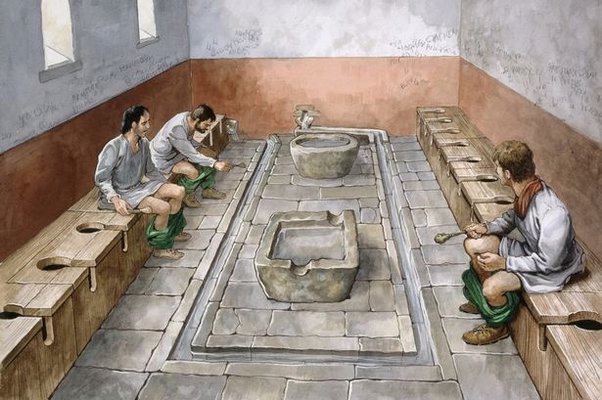
The Romans, true engineering maestros, revolutionized plumbing around 500 BCE. Aqueducts, vast networks of pipes, and public baths showcased their mastery. Lead pipes, though harmful in hindsight, were widely used. Roman innovations laid the foundation for modern plumbing systems, emphasizing water distribution and sanitation.

Medieval Europe:

The fall of the Roman Empire led to a decline in plumbing advancements in Europe. Medieval societies relied on communal wells and primitive drainage systems. The lack of sanitation contributed to widespread health issues.
Renaissance and Beyond:

Plumbing experienced a renaissance during the 17th century. Sir John Harrington, an English courtier, invented the first flush toilet in 1596. However, it wasn’t until the 19th century that significant strides occurred. Alexander Cummings patented the first modern flushing toilet in 1775, and Thomas Crapper’s innovations in the late 1800s popularized indoor plumbing.
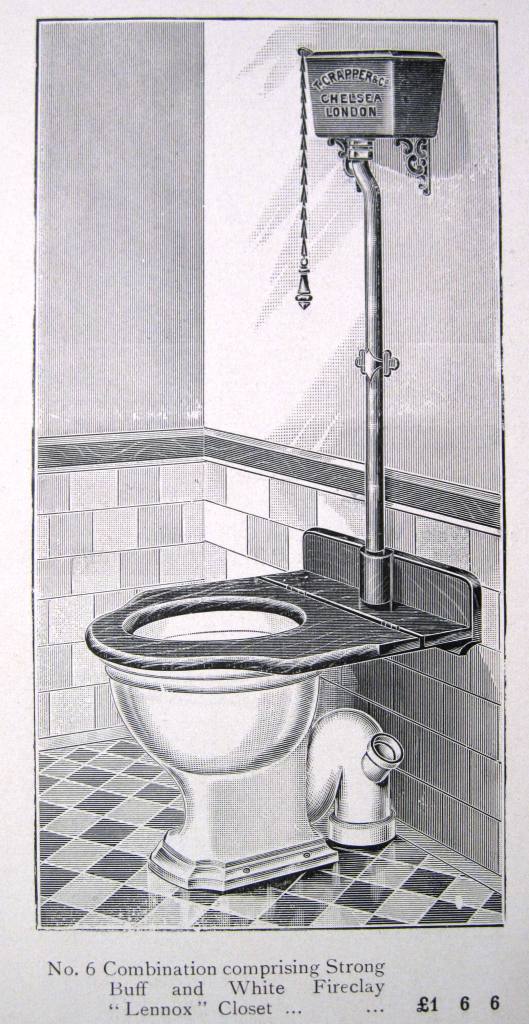
The evolution of plumbing is an intricate tapestry woven by the contributions of diverse cultures and innovative minds. From ancient irrigation channels to modern sewage systems, plumbing’s journey reflects humanity’s continuous quest for efficient water management and sanitation.

That trip was wonderful, but nowadays, we have highly modern plumbing systems in every house. If you’re in the LA area, you can book premium plumbing services for your home with Kahuna Comfort. Give us a call, and a Hero will come to your home.

Follow us on Instagram: @kahuna_comfort

Follow us on X: @homexplumbing

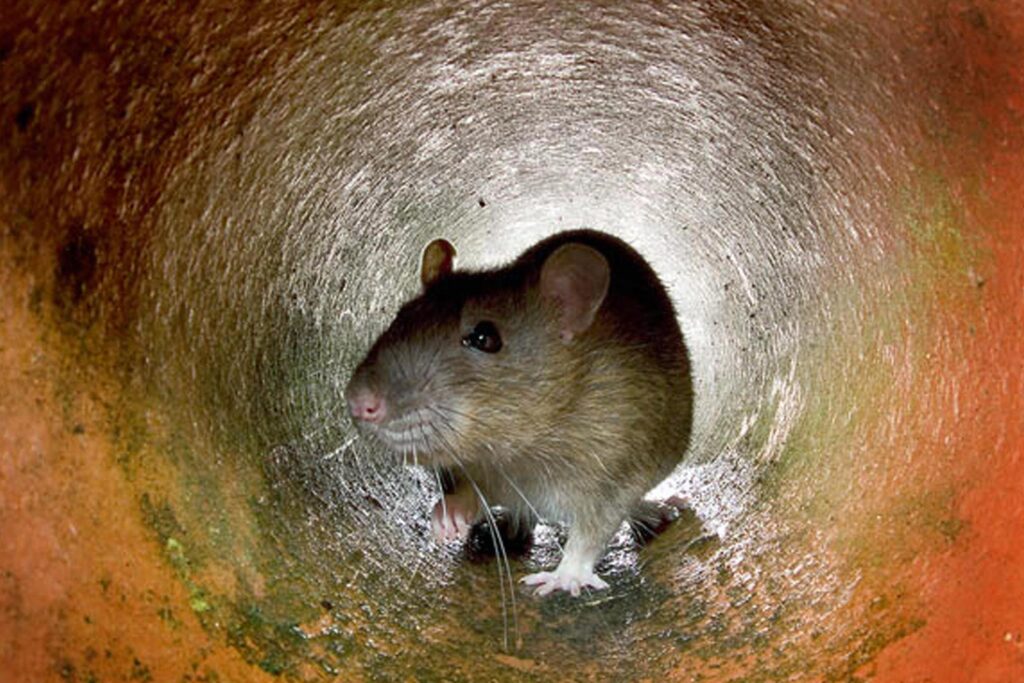
Rats and Drains: Separating Fact from Fiction.

The idea of rats entering homes through drains has a touch of horror fiction, but the reality is rooted in the unique abilities of these rodents. While rare, it’s crucial to take preventive measures, such as sealing entry points, maintaining drains, and consulting professionals, to keep your home rat-free.

The notion of rats invading homes through drains has a certain horror-movie allure, but is it more than an urban legend? The truth lies in the peculiar abilities of these rodents and the vulnerabilities of our plumbing systems.

Can Rats Really Enter Through Drains?

While rats aren’t mystical creatures with supernatural powers, their anatomy allows them to navigate surprisingly tight spaces. Rats can swim and hold their breath for extended periods, and their skeletal structure is flexible enough to squeeze through openings as small as a quarter.

However, the idea of rats emerging from your toilet like a scene from a horror film is rare. It’s more likely they’d enter through damaged pipes or openings in the sewer line.

Preventing Rats’ Entry Through Drains:

Inspect and Seal Entry Points:

Regularly inspect your home for any openings that rats could exploit. Seal gaps or cracks in your foundation, walls, and around pipes. Remember, rats are excellent climbers, so consider both ground-level and upper-entry points.

Secure Vent Openings:

Vent openings on your roof or exterior walls may seem like inviting rat doorways. Cover them with mesh or grates designed to allow air circulation while keeping unwanted visitors out.

Maintain a Tidy Yard:

Rats are attracted to food sources, so keep your yard tidy. Secure garbage bins, clean up fallen fruits, and eliminate standing water, which can be a water source for these rodents.

Regular Drain Maintenance:

Ensure your drains are in good condition. Repair any cracks or leaks promptly, as these can be potential entry points for rats. Regular drain cleaning can also prevent blockages that might attract them.

Professional Inspection:

If you suspect a rat infestation, consult with a pest control professional. They can conduct a thorough inspection, identify vulnerabilities, and provide effective solutions to prevent or address the issue.

Conclusion:

While the scenario of rats emerging from drains is more Hollywood than reality, the possibility of rats entering your home through damaged pipes is plausible. Taking proactive measures to secure your home, maintain your plumbing, and address any issues promptly can significantly reduce the likelihood of unwelcome rodent guests.

However, if you require professional assistance to maintain or repair your drains, preventing rodent issues, rest assured that Kahuna Comfort Plumbing, Heating, & Air is here to provide you with quick, top-notch plumbing services. Give us a call or book your appointment now by clicking the button below.


Surprising Facts About Plumbing.

Plumbing is a fundamental part of our daily lives, yet many of us don’t fully understand its intricacies. Beyond the basics, there are several surprising and intriguing facts about plumbing that might pique your curiosity.

Ancient Plumbing:

The concept of plumbing dates back to ancient civilizations. The Indus Valley Civilization, for instance, had complex sewage and drainage systems over 4,000 years ago.

Lead Pipes in Ancient Rome:

The Romans are known for their impressive aqueducts and plumbing systems, but they used lead pipes. While it provided clean water, it’s believed to have contributed to lead poisoning in some individuals.

Toilets and the Eiffel Tower:

The Eiffel Tower in Paris has more than 400 toilets, catering to the needs of the thousands of daily visitors. It’s a testament to the importance of efficient plumbing in modern architecture.

Indoor Plumbing Revolution:

Indoor plumbing became more widespread in the 19th century. Prior to that, many people used chamber pots or outhouses.

Toilet Flush and Astronomy:

In the Southern Hemisphere, the Coriolis effect causes water to swirl in the opposite direction when flushed down the toilet. However, this effect is too weak to impact toilet flushing. The direction of the flush depends on the toilet’s design.

Water Hammer:

If you’ve ever heard a loud bang in your pipes when you turn off a faucet, you’ve experienced a water hammer. It occurs when water suddenly stops or changes direction in your pipes, creating a shockwave. Water hammer arrestors can mitigate this issue.

Space Plumbing:

Astronauts aboard the International Space Station have a unique plumbing system. Their toilets use air flow to guide waste into an incinerator, where it’s burned, and the water is purified and reused.

World Toilet Day:

World Toilet Day, celebrated on November 19th, raises awareness about the importance of sanitation and access to clean and safe toilets for everyone worldwide.

Sneaky Leaks:

A faucet dripping just once per second can waste over 3,000 gallons of water in a year. Fixing leaks promptly not only conserves water but also saves you money on utility bills.

Toilet Myth Debunked:

Despite popular belief, toilets don’t flush in the opposite direction in the Northern and Southern Hemispheres due to the Coriolis effect. The direction depends on the toilet’s design and the way the water enters the bowl.

Plumbing is Greener:

Modern plumbing systems have made water usage more efficient, helping conserve this precious resource. Low-flow toilets, efficient faucets, and water recycling systems contribute to a greener world.

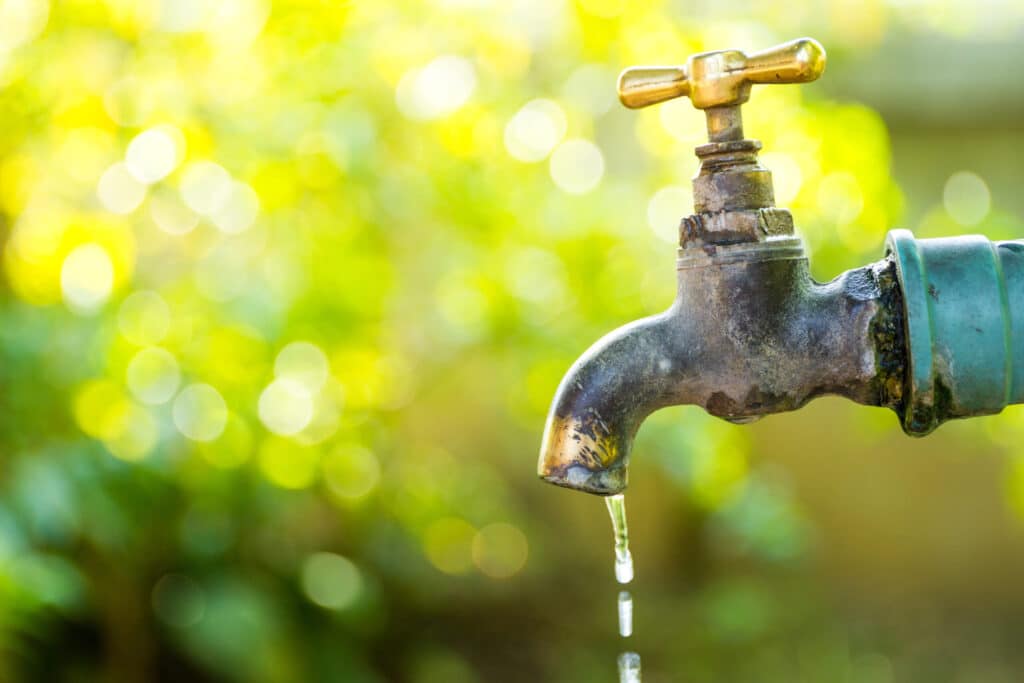
Brass water tap in nature background.

Flushable Wipes Aren’t So Flushable:

Despite their marketing, “flushable” wipes can cause clogs in sewer systems. They don’t break down as easily as toilet paper, leading to blockages.

Plumbing is a field filled with interesting historical tidbits and practical facts. Understanding these facts can not only enhance your appreciation for the convenience of modern plumbing but also help you make informed decisions about its usage and maintenance.

If you encounter any issues with your drain system, don’t hesitate to reach out. We offer top-notch plumbing services in the Los Angeles Area, Irvine, Riverside, Long Beach, San Bernardino, and even Thousand Oaks.

Follow us on Instagram: @kahuna_comfort

Follow us on X: @PlumbingHomex

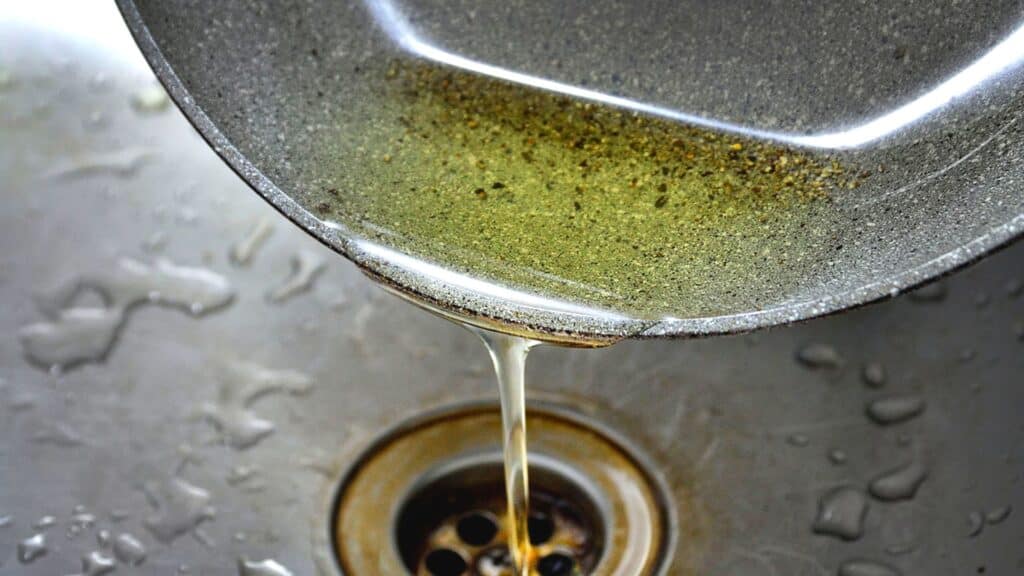
Should You Dump Cooking Oil in the Drain? The Dos and Don’ts

After a delicious meal, the question of what to do with leftover cooking oil often arises. For many, the most convenient option is to pour it down the drain. However, this common practice can lead to costly plumbing issues and environmental concerns. Here, we’ll explore the dos and don’ts of disposing of cooking oil to help you make an informed decision.

The Don’ts: Why You Shouldn’t Dump Cooking Oil in the Drain

  1. Pipe Clogs: Pouring hot cooking oil down the drain may seem harmless, but as it cools and solidifies, it can stick to the walls of your pipes, accumulating over time and leading to clogs. These clogs can impede water flow and result in slow drainage or even backups.
  2. Environmental Impact: When oil enters the sewage system, it can pose environmental risks. Sewage treatment plants are not designed to handle large amounts of grease and oil. This can lead to contamination of waterways, harm aquatic life, and increase treatment costs.
  3. Odor and Bacteria: Oil and grease can create foul odors in your plumbing system. Additionally, they provide a breeding ground for harmful bacteria, which can exacerbate the problem and affect your household’s health.
  4. Costly Repairs: Over time, oil buildup in pipes can cause severe damage, leading to expensive plumbing repairs. Fixing clogs or replacing sections of your plumbing system can be a significant financial burden.

The Dos: How to Properly Dispose of Cooking Oil

  1. Cool and Contain: Allow the used cooking oil to cool completely. Then, transfer it into a sealable, non-recyclable container. Use a jar or an old coffee can, and make sure the container is tightly sealed.
  2. Recycle or Dispose: Check your local recycling programs for options to recycle cooking oil. Some areas offer recycling centers where you can drop off used oil for proper disposal. Alternatively, contact your local waste disposal services to inquire about their guidelines.
  3. Reuse or Dispose of Solids: If you have used cooking oil with solids, such as bits of food, strain it through a fine mesh sieve before storing or disposing of it.
  4. Grease Disposal Services: Some regions provide dedicated grease disposal services. Contact your local sanitation department to learn if such services are available in your area.

In conclusion, dumping cooking oil down the drain is a practice that should be avoided due to its adverse effects on plumbing systems and the environment. Proper disposal, such as recycling, can help mitigate these issues while ensuring a more sustainable approach to managing used cooking oil. By following the dos and don’ts of cooking oil disposal, you can maintain the functionality of your plumbing and minimize your environmental footprint.

At Kahuna Comfort, we provide exceptional drain cleaning services. If you’ve encountered any issues with your drain, don’t hesitate to give us a call. Our services cover the areas near Los Angeles, Fullerton, Irvine, and Anaheim.


Follow us on Instagram: @kahuna_comfort

Follow us on X: @PlumbingHomex

Rooter vs. Plumber: Understanding the Key Differences.

When facing plumbing issues in your home, you might hear about rooters and plumbers. While both professionals deal with plumbing problems, there are distinct differences in their expertise, tools, and areas of focus. Understanding these distinctions can help you choose the right expert for your specific needs. Here are a few differences between rooter and plumbing services:

Rooter Services:

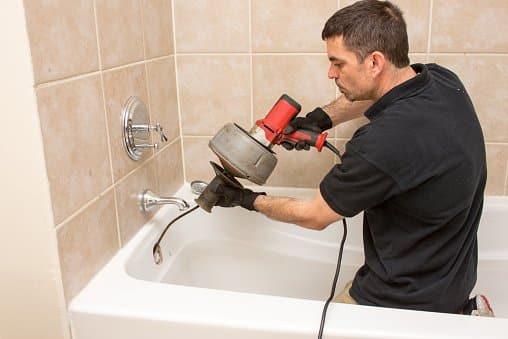
Rooter services primarily specialize in addressing blockages and obstructions within your plumbing and drainage systems. They are skilled in using rooter machines, which are powerful devices designed to clear clogs in pipes and drains. The term “rooter” originates from its initial use in clearing tree roots from sewer lines, but the services have since expanded to handle various blockages.

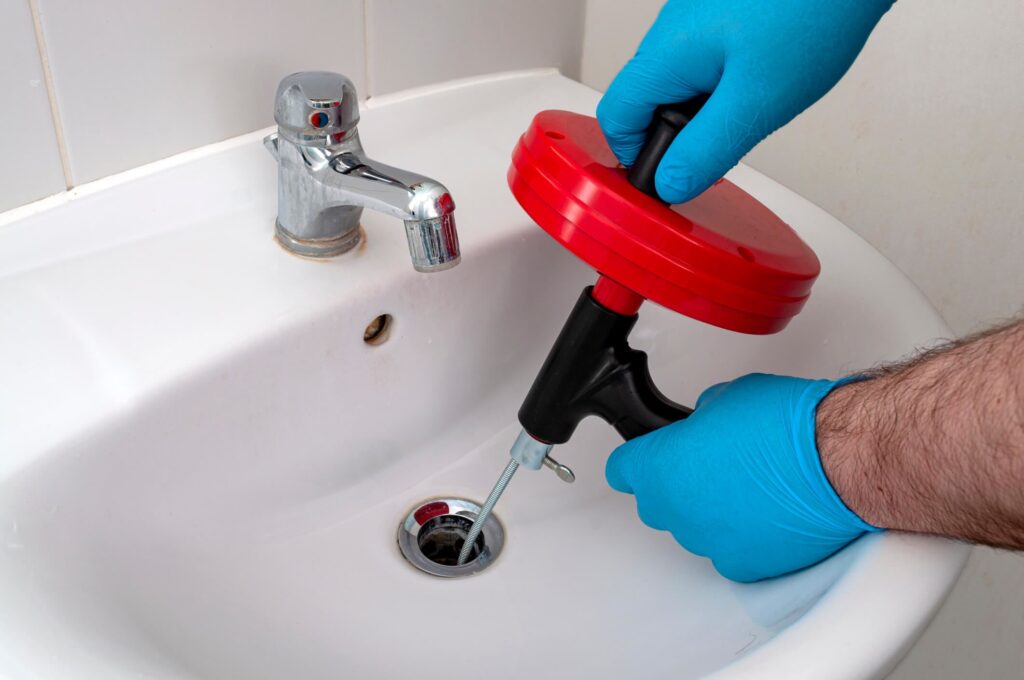
Rooter unclogging a tub drain with an electric auger.

Key Traits of Rooter Services:

  1. Clog Removal: Rooters excel at breaking down and clearing obstructions like tree roots, grease, and debris from your pipes.
  2. Specialized Equipment: Rooters use specialized machines, including drain snakes, augers, and hydro-jetting systems, to remove clogs effectively.
  3. Immediate Solutions: Rooter services are often sought for urgent blockage removal, providing quick fixes to restore flow.
  4. Focused Expertise: Rooter professionals are specialists in dealing with clogs and blockages, but may not have the broader plumbing knowledge of a plumber.

Plumbing Services:

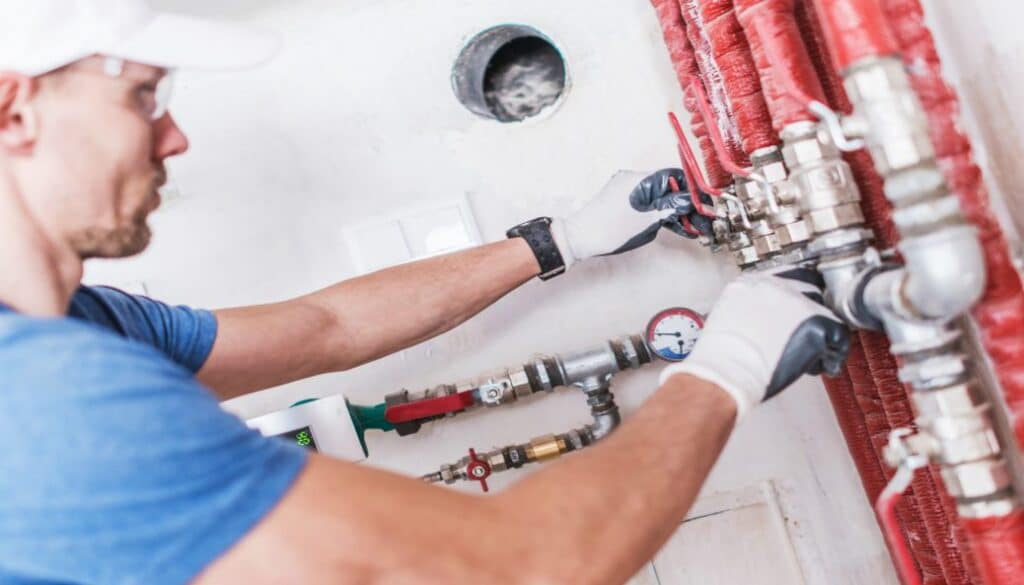
Plumbers are highly trained professionals who work on various aspects of your plumbing system, from installation and repair to maintenance and new construction. They have comprehensive knowledge of plumbing codes and regulations, water supply, drainage, and gas lines. Plumbers are equipped to handle a wide range of tasks beyond just clog removal.

Plumber working on gas lines.

Key Traits of Plumbing Services:

  1. Versatility: Plumbers offer comprehensive plumbing services, including pipe installation, repair, maintenance, fixture installation, and gas line work.
  2. Certification: Professional plumbers often hold certifications and licenses, ensuring their competence in adhering to local plumbing codes and safety standards.
  3. System Diagnosis: Plumbers can diagnose complex plumbing issues, provide preventive maintenance, and install or upgrade plumbing components.
  4. Long-Term Solutions: Plumbers focus on addressing the root causes of plumbing problems to provide lasting solutions.

Choosing the Right Service:

The choice between a rooter and a plumber depends on your specific plumbing needs. If you’re dealing with a stubborn clog or blockage, a rooter service may be the quickest solution. However, if you require comprehensive plumbing work, such as installing new pipes, repairing a leaking faucet, or addressing a more complex plumbing issue, a certified plumber is the right professional for the job.

In some cases, both services might be required. A rooter service can clear a blockage, and a plumber can then assess and repair any underlying issues that contributed to the clog.

Understanding the difference between rooter and plumbing services is essential for making informed decisions when plumbing issues arise. By recognizing the strengths and areas of expertise of each profession, you can ensure that your plumbing problems are addressed effectively and efficiently.

Kahuna Comfort delivers outstanding rooter and plumbing services across the Los Angeles, Fullerton, Riverside, and Anaheim areas. If you encounter any issues with your pipes, don’t hesitate to give us a call.


Follow us on Instagram: @kahuna_comfort

Follow us on X: @homeXplumbing

A Guide to Different Wrenches in Plumbing Services.

In the world of plumbing, having the right tools can make all the difference in tackling various tasks effectively. Wrenches, in particular, are essential tools for plumbers, and there are several different types, each designed for specific purposes. In this article, we’ll explore some common wrenches used in plumbing services and how to use each one.

Different Wrenches for Plumbing Services.

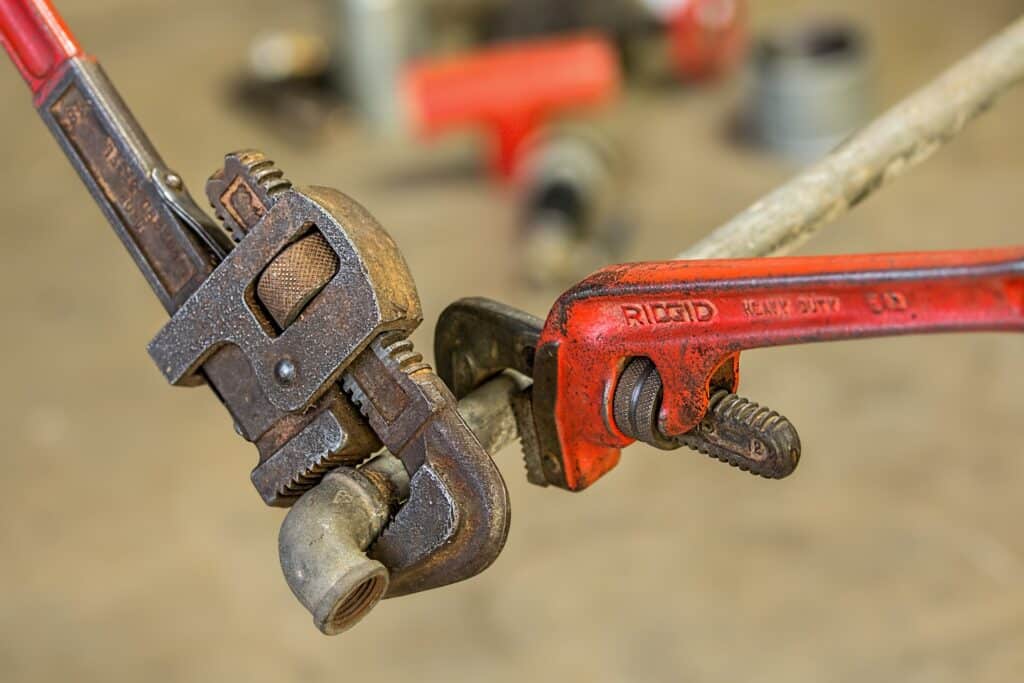
1. Pipe Wrench:

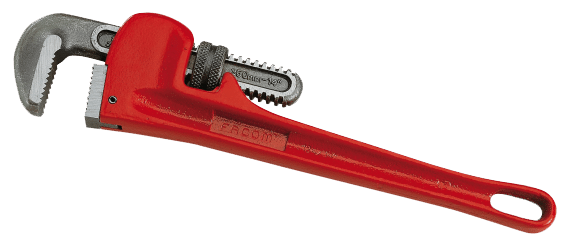
A pipe wrench is a classic plumbing tool recognizable by its distinctive toothed jaw. It’s used for gripping and turning threaded pipes and fittings. To use it, place the wrench’s jaw on the pipe or fitting and turn it in the direction you want to tighten or loosen. Pipe wrenches come in various sizes to accommodate different pipe diameters.

different wrenches in plumbing. This image is a pipe wrench

2. Adjustable Wrench:

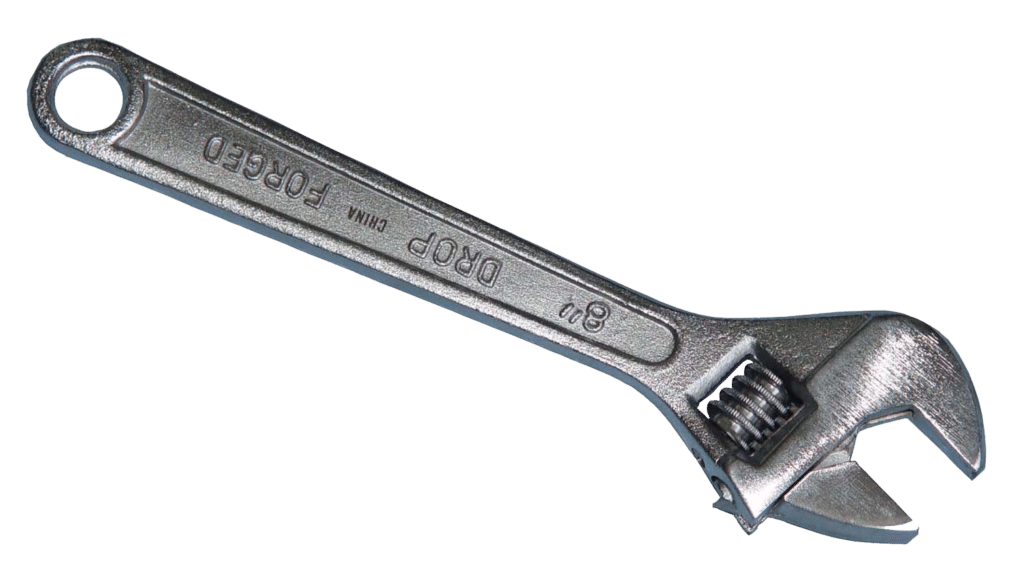
Also known as a crescent wrench, an adjustable wrench is versatile and used for a wide range of plumbing tasks. To use it, adjust the wrench to fit the size of the nut or bolt you’re working with, then turn it in the desired direction. It’s handy for tightening nuts on faucets and other fixtures.

3. Basin Wrench:

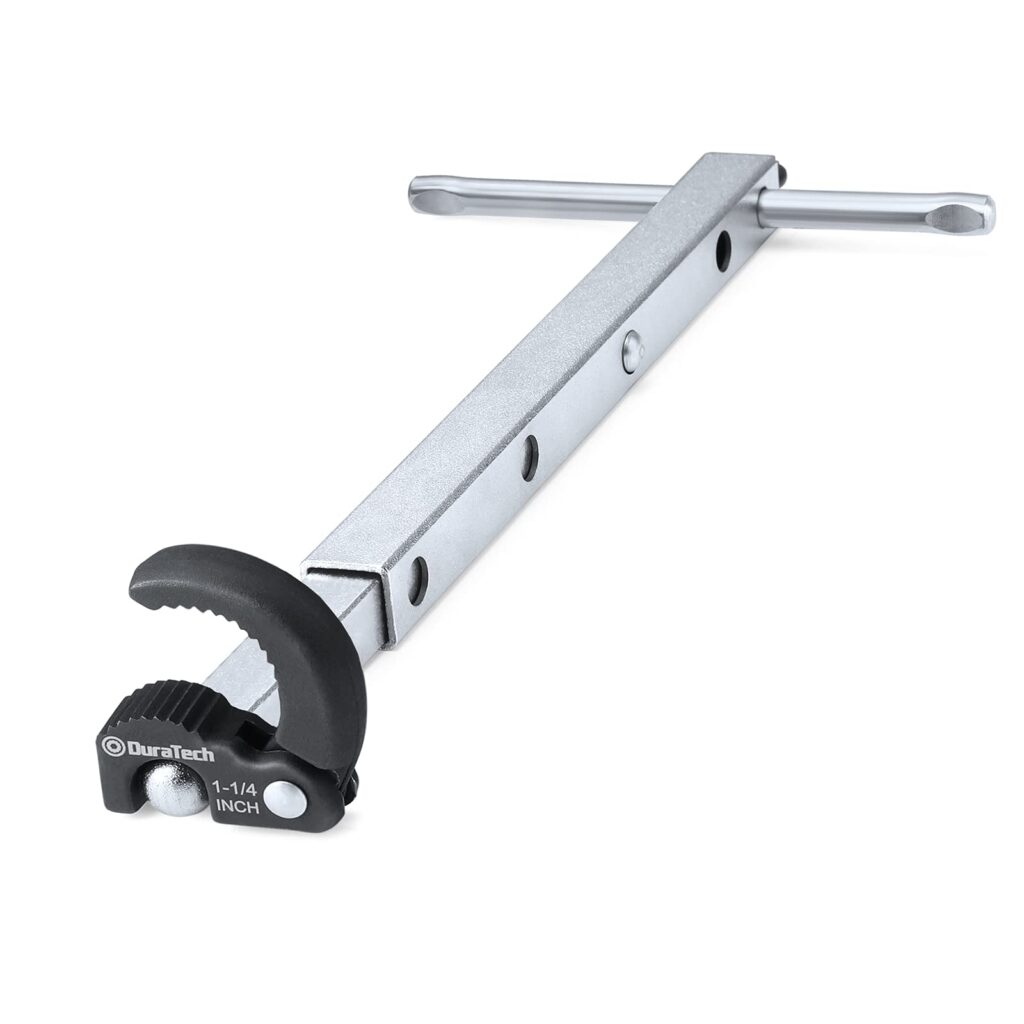
A basin wrench is designed for working in tight spaces, particularly under sinks and behind toilets. It has a long, slender handle with a swiveling jaw that grips the nuts holding faucets in place. Use it to reach and tighten or loosen these nuts without disassembling the entire fixture.

4. Strap Wrench:

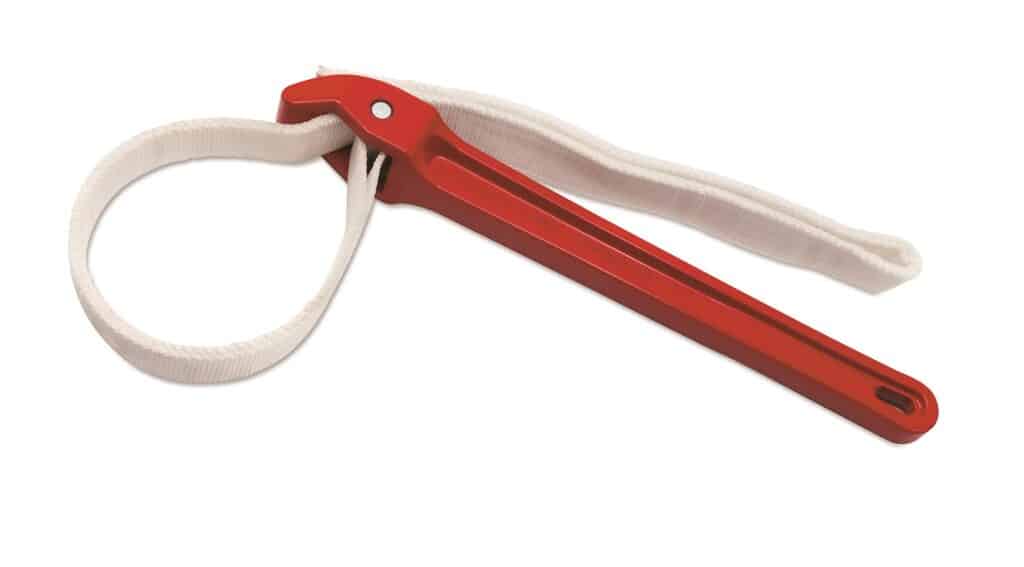
Strap wrenches are ideal for working with smooth or polished pipes and fixtures, such as chrome or plastic. They have a flexible strap that wraps around the pipe, providing a firm grip without damaging the surface. Simply wrap the strap around the pipe and use the handle to tighten or loosen.

adjustable strap wrench plumbing services

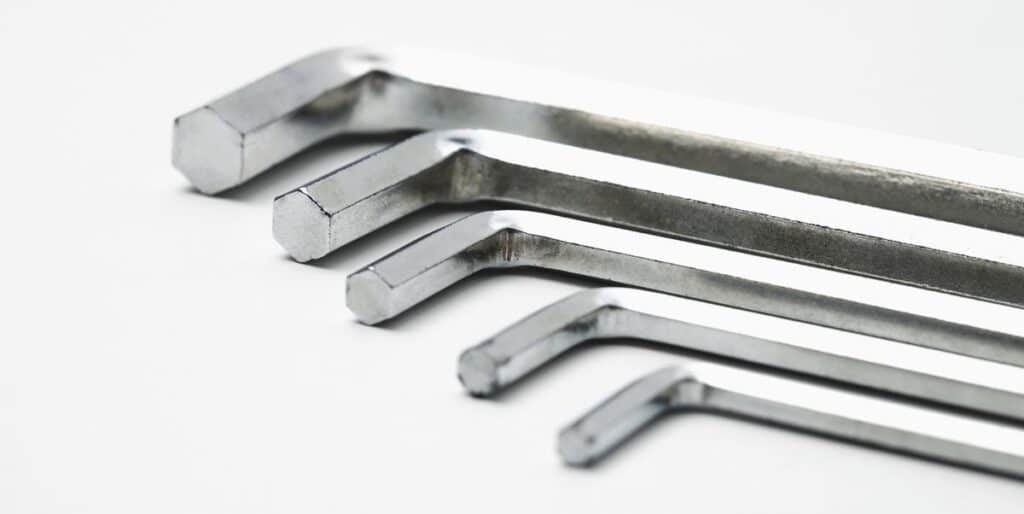
5. Allen Wrench (Hex Key):

Allen wrenches, or hex keys, are used for tasks that require turning hexagonal sockets, such as those found on some faucet handles. Insert the appropriate size Allen wrench into the socket and turn it to make adjustments or remove handles.

many sizes of allen. services in anaheim, los angeles, professional plumbing in fullerton

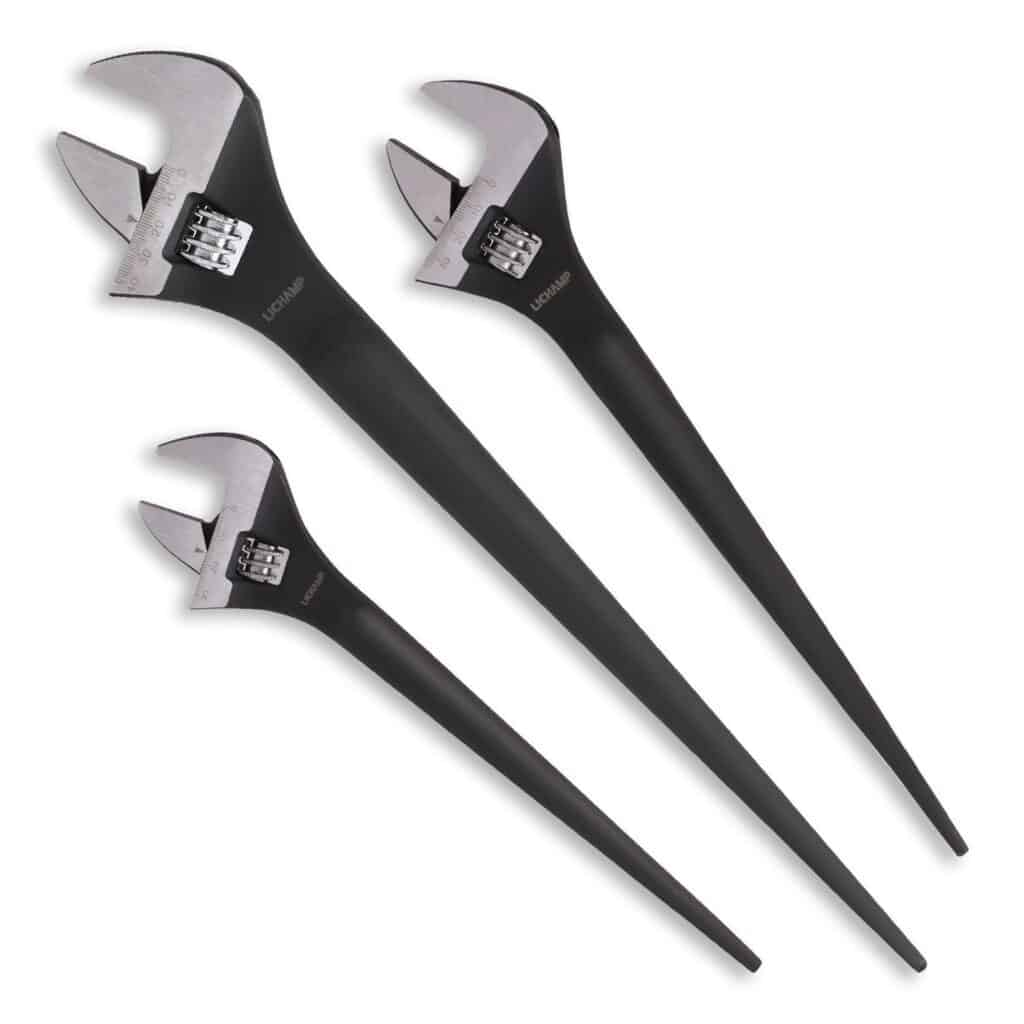
6. Spud Wrench:

Spud wrenches are specialized tools for installing and removing spuds, which are fittings used in certain types of faucets and toilets. These wrenches have a tapered handle and a flat, square jaw for a secure grip on spuds.

different sizes of spud wrenches. Typical wrench for plumbing services in anaheim, los angeles, fullerton thousand oaks

Remember, safety is paramount when using any tools, especially in plumbing. Always use the right wrench for the job and apply force carefully to avoid damaging pipes or fixtures. If you’re unsure about which wrench to use or how to perform a specific plumbing task, it’s best to consult a professional plumber who can guide you or handle the job safely and effectively.

Using each tool for its intended purpose is crucial and sets apart a quality plumbing service. If you’re seeking exceptional plumbing service, keep in mind that we’re the best in the area, serving not only Anaheim but also Fullerton, Torrance, Long Beach, Santa Monica, and even Thousand Oaks. Get in touch with us to schedule a service today!

Must-Have Plumbing Tools Every Homeowner Must Own for Ultimate Home Maintenance!

Imagen de <a href=Steve Buissinne en Pixabay” class=”wp-image-1437″/>

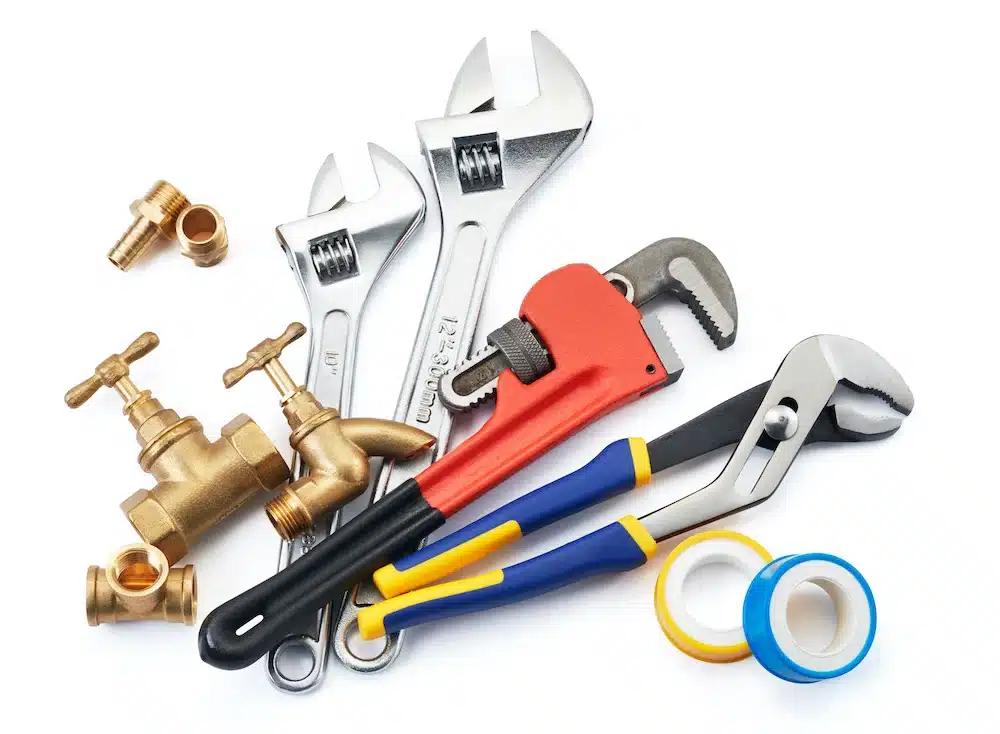
Every homeowner should have a basic set of plumbing tools for tackling common DIY plumbing tasks. These tools, including pipe wrenches, plungers, pipe tape, and more, can help you address minor plumbing issues effectively. While major plumbing problems require professional assistance, having these essentials can save you time and money when smaller issues arise. That’s why we want to show you these essential plumbing tools every homeowner should have.

Being prepared for minor plumbing issues in your home can save you time and money in the long run. While complex plumbing problems should be left to professionals, having a set of essential plumbing tools can help you handle common DIY plumbing tasks effectively.

Essential Plumbing Tools Every Homeowner Should Have.

1. Pipe Wrench.

A pipe wrench is a vital tool for tightening and loosening threaded pipes and fittings. It comes in various sizes to accommodate different pipe diameters.

2. Adjustable Wrench.

An adjustable wrench, also known as a crescent wrench, is versatile and useful for tasks such as tightening nuts and bolts on faucets and other fixtures.

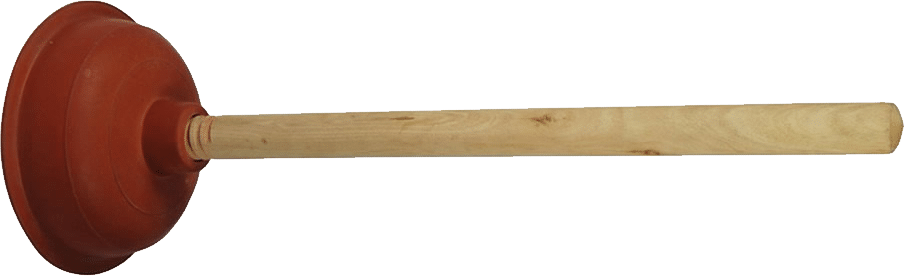
3. Plunger.

A plunger is essential for clearing clogs in sinks, toilets, and tubs. Make sure you have both a cup plunger (for sinks and tubs) and a flange plunger (for toilets) for more effective results.

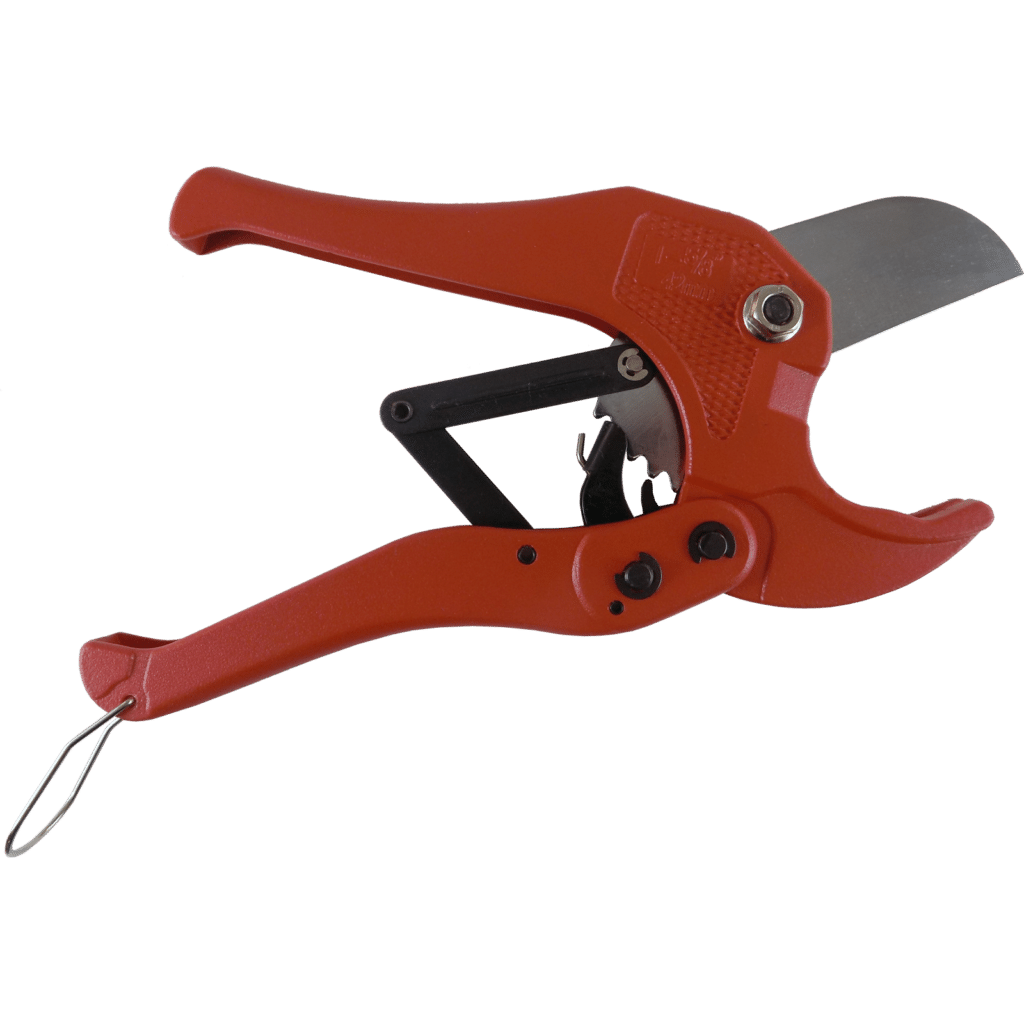
4. Pipe Cutter.

For cutting through copper, PVC, or other types of piping, a pipe cutter is essential. It ensures clean, precise cuts without the need for hacksaws.

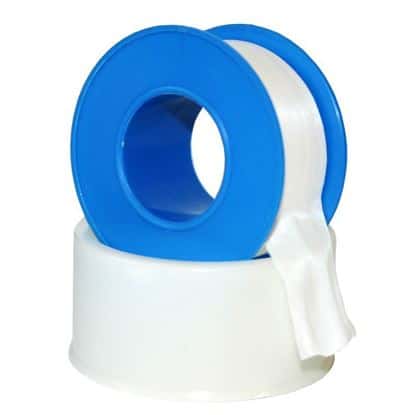
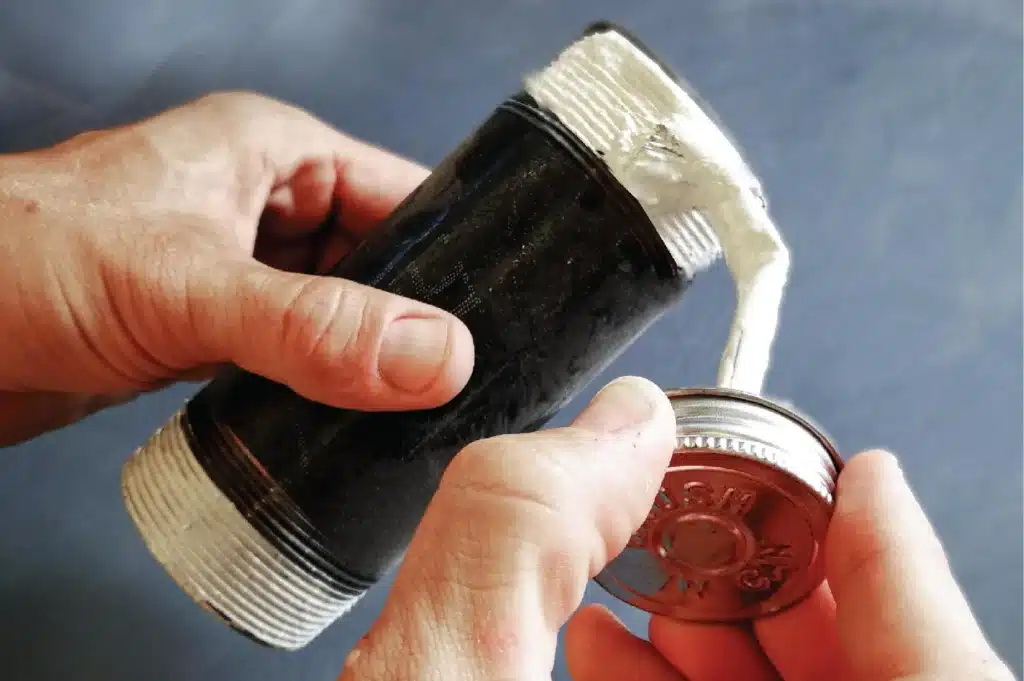
5. Pipe Tape.

Also known as thread seal tape or Teflon tape, this thin white tape is used to create a watertight seal on threaded pipe connections. It’s crucial for preventing leaks.

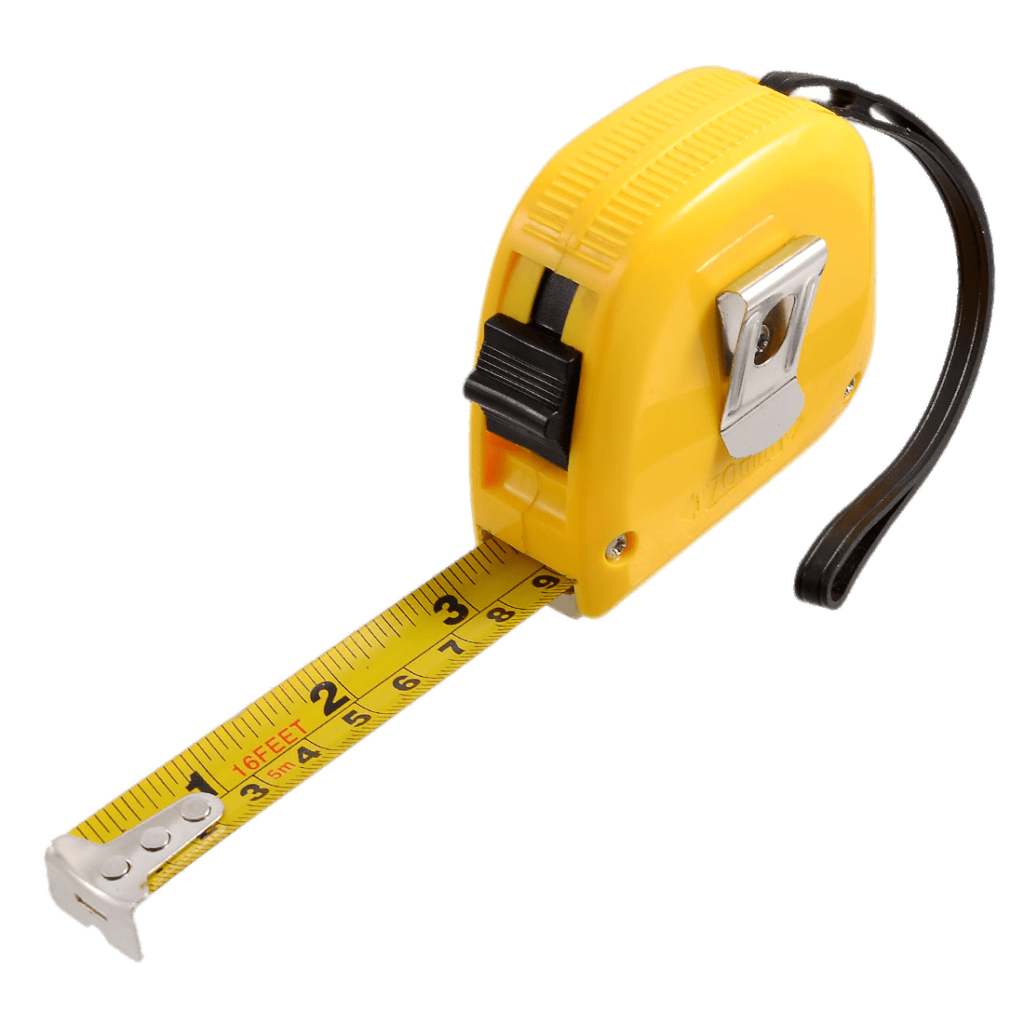
6. Plumber’s Tape Measure.

A tape measure designed for plumbing applications typically includes measurements for pipe diameter, which is handy for selecting the right fittings.

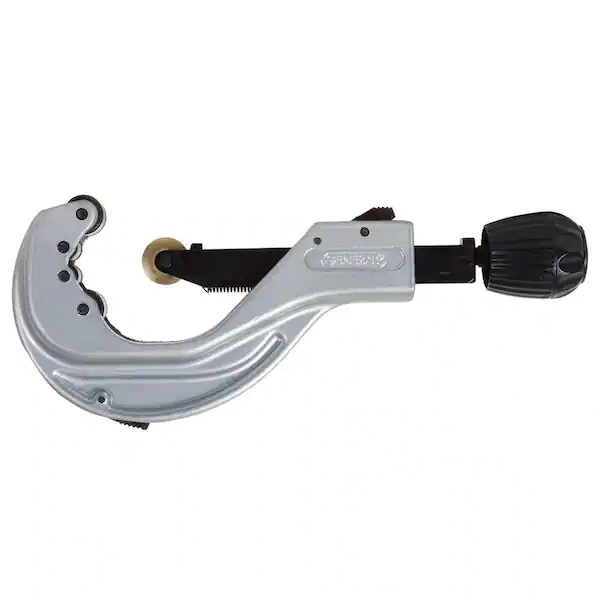
7. Pipe and Tubing Cutter.

If you need to cut through larger pipes or tubing, a pipe and tubing cutter will make the job easier and more precise.

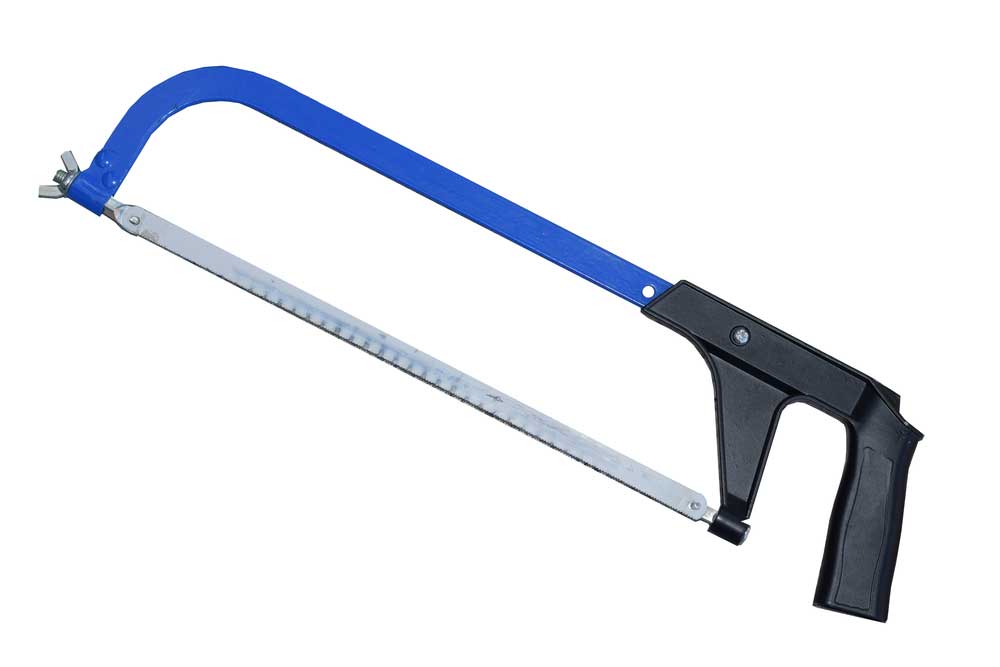
8. Hacksaw.

A hacksaw is useful for cutting through various materials, including pipes and plastic tubing. It’s handy when a pipe cutter isn’t suitable.

13 Must-have plumbing tools for house owners

9. Teflon Pipe Dope.

This sealant is used in addition to pipe tape to create a secure, leak-free connection between threaded fittings.

13 Must-have plumbing tools for house owners

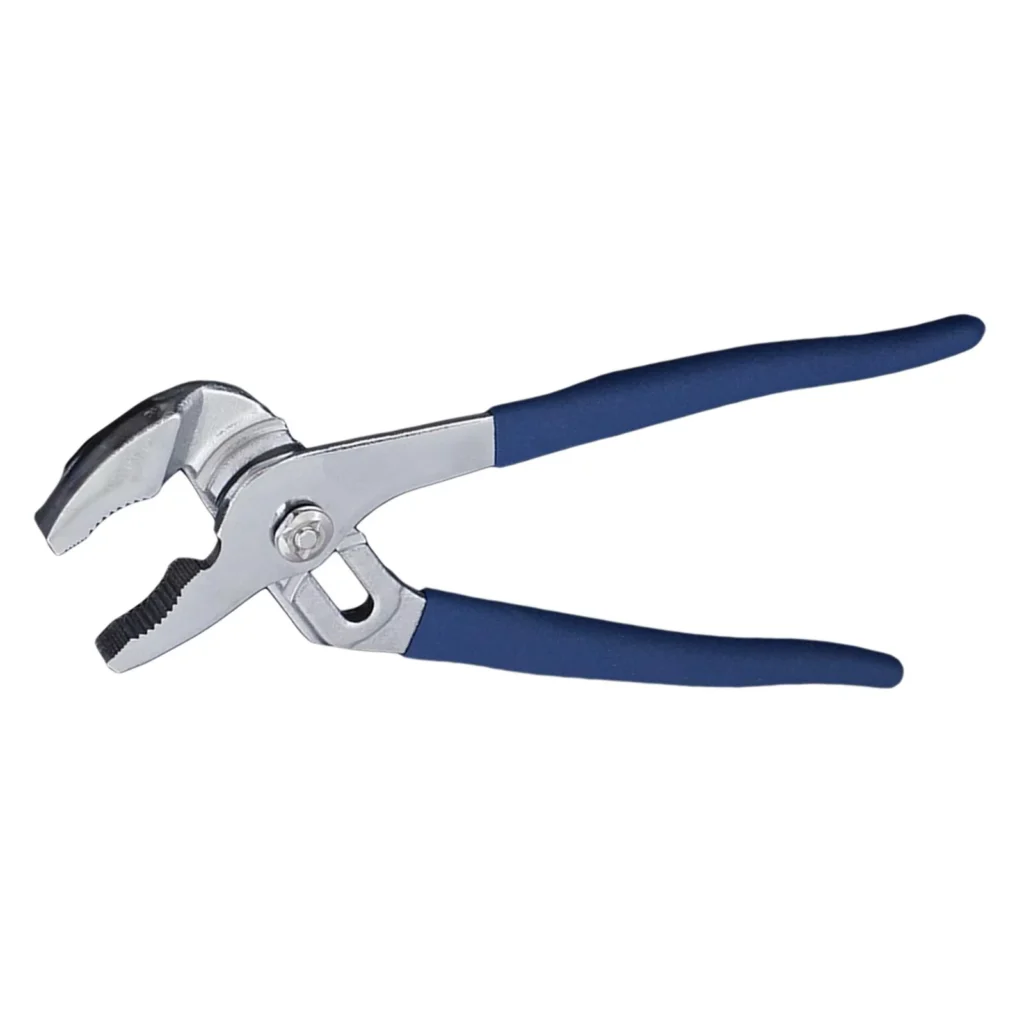
10. Adjustable Pliers.

Adjustable pliers, such as tongue-and-groove or channel-lock pliers, are versatile tools for gripping and turning pipes and fittings.

13 Must-have plumbing tools for house owners

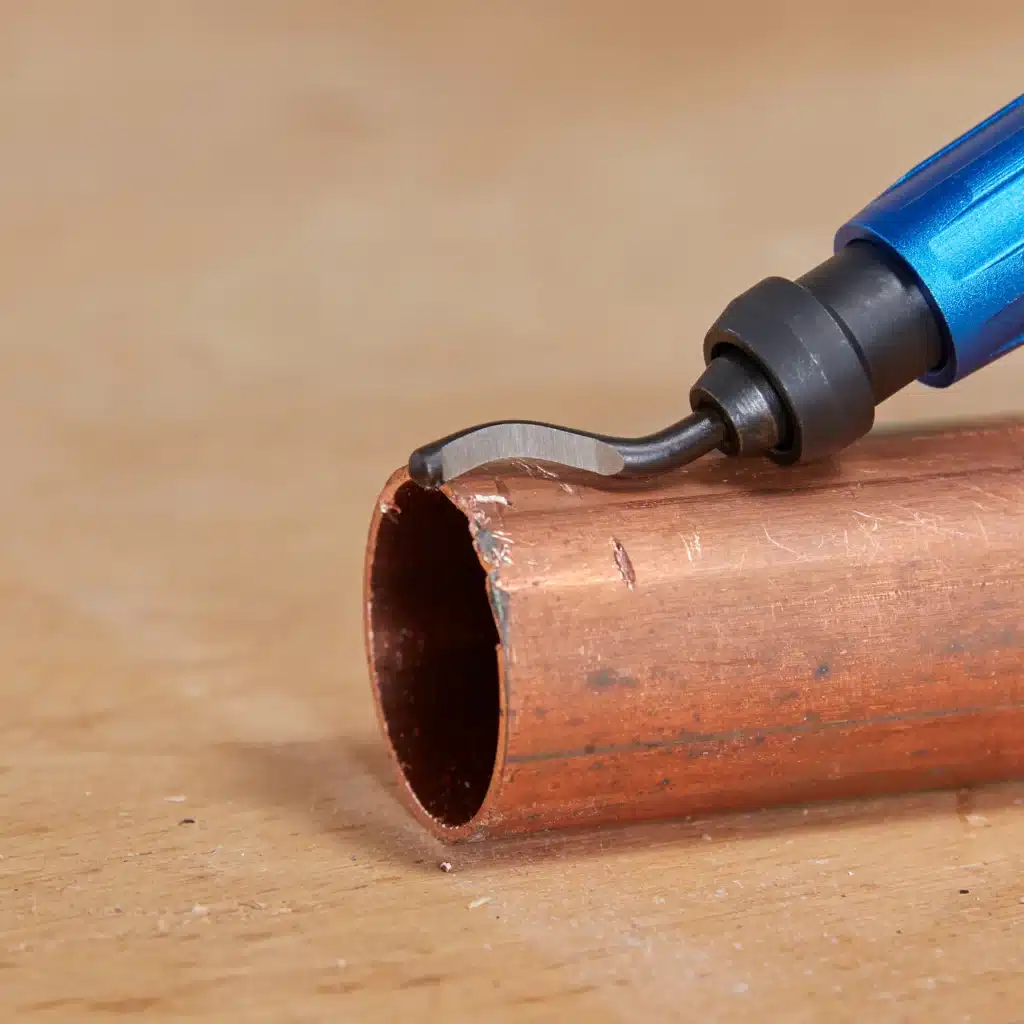
11. Pipe Reamer / Deburring Tool.

After cutting pipes, you’ll want to remove any burrs or rough edges with a pipe reamer or deburring tool.

13 Must-have plumbing tools for house owners

12. Closet Auger.

For clearing tough toilet clogs beyond what a plunger can handle, a closet auger is a specialized tool designed for the job.

13 Must-have plumbing tools for house owners

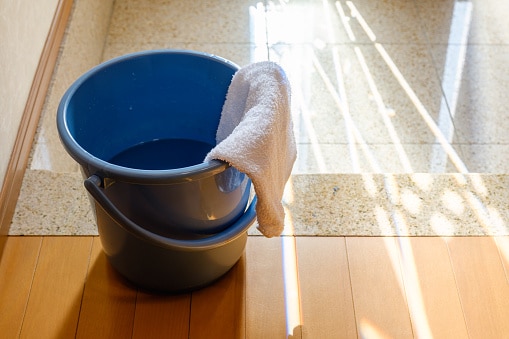
13. Bucket and Towels.

Having a bucket and towels on hand is essential for catching water and keeping your workspace clean while making repairs.

13 Must-have plumbing tools for house owners

Now you know what essential plumbing tools every homeowner should have. However, if you have a difficult plumbing problem in your home, you can call us, we have the best equipment and experts to solve your plumbing problems.

Understanding the Causes of Drain Odors. How to prevent them.

Drain odors can be unpleasant and embarrassing. They often result from factors like trapped food particles, hair and soap scum, bacteria buildup, or sewer gas infiltration. Prevention involves regular cleaning, using sink strainers, and proper maintenance. If odors persist, professional assistance may be needed to address the underlying issue.

Few things can be as unpleasant in a home as a foul smell emanating from a drain. These unpleasant odors can range from mild and musty to downright offensive, but they all share a common source. Understanding why drains sometimes smell is crucial for both prevention and addressing the issue when it arises.

Common Causes:

Food Particles: In kitchen sinks, food particles can get trapped in the drain, decompose, and produce unpleasant smells. Grease buildup can exacerbate the issue.

Hair and Soap Scum: Bathroom drains often accumulate hair, soap scum, and other debris. Over time, these substances can decompose and create odors.

Biofilm and Bacteria: Microorganisms can form a slimy layer called biofilm inside pipes. These bacteria can produce sulfur compounds, leading to foul-smelling odors.

Sewer Gas Infiltration: Sometimes, the odor isn’t from the drain itself but rather from sewer gas infiltrating your plumbing system. This can happen if there’s a malfunction in the drain trap or venting system.

Blocked Vent Pipes: Vent pipes allow sewer gases to escape through the roof and maintain proper drainage. If these pipes become blocked or damaged, odors can permeate your home.

Preventing Drain Odors:

Preventing Drain Odors:

  1. Regular Cleaning: Keep drains clean by regularly flushing them with hot water and using a mixture of baking soda and vinegar to break down deposits.
  2. Sink Strainers: Use sink strainers to catch food particles, hair, and debris before they enter the drain.
  3. Proper Disposal: Dispose of grease and cooking oils in a separate container, not down the sink.
  4. Regular Maintenance: Schedule routine plumbing inspections to catch and address any issues before they lead to odors.
  5. Sewer Gas Prevention: Make sure that drain traps are functioning correctly, and vent pipes are unobstructed.

Addressing Drain Odors:

If you’re already dealing with drain odors, there are steps you can take:

  1. Flush with Hot Water: Pouring hot water down the drain can help dislodge and flush away odor-causing substances.
  2. Baking Soda and Vinegar: Create a mixture of baking soda and vinegar and pour it down the drain. Let it sit for a while before rinsing with hot water.
  3. Drain Cleaners: Use commercial drain cleaners, but be cautious and follow the instructions carefully.
  4. Professional Help: If the odor persists or is accompanied by other plumbing issues, it’s best to consult a professional plumber.

Understanding the causes of drain odors is the first step in preventing and addressing them effectively. Regular maintenance, proper disposal habits, and knowing when to seek professional assistance can help keep your home smelling fresh and clean.

Don’t forget, we boast the finest professional plumbing technicians in LA. Schedule your appointment today, and one of our heroes will pay a visit to your home.

how to prevent plumbing problems in your home - plumbing tips to maintenance

7 Tips to Prevent Plumbing Problems at Home

Plumbing is an essential part of any home, but it’s often taken for granted until something goes wrong. Leaks, blockages, and other plumbing issues can cause significant inconvenience and unexpected expenses. However, many of these problems can be avoided with proper maintenance and some simple habits. In this article, we’ll share some tips to help you prevent plumbing problems at home and keep your water system in optimal condition.

1. Regular Inspection.

Regularly inspect your pipes, faucets, toilets, and drainage systems for signs of leaks, drips, or corrosion. Address any issues immediately to prevent them from worsening.

2. Don’t Overload Toilets and Drains.

Avoid flushing excessive toilet paper, personal hygiene products, disposable wipes, or kitchen grease down the sink. These items can clog pipes and lead to serious plumbing problems.

3. Install Drain Guards.

Install drain guards in sinks and bathtubs to catch hair and other debris before it enters the pipes, making it easier to remove and prevent clogs.

4. Check Water Pressure.

Excessively high water pressure can damage pipes and appliances over time. Use a water pressure gauge to ensure it’s within the recommended range, usually between 40 and 60 PSI. Consider installing a pressure regulator if needed.

5. Insulate Pipes in Winter.

Protect your pipes from freezing in cold climates by insulating exposed pipes and disconnecting garden hoses in winter to prevent freezing and bursting.

6. Schedule Regular Maintenance.

Investing in regular preventive maintenance by hiring a professional plumber can identify potential issues and perform necessary repairs before they escalate into costly emergencies.

7. Close the Main Valve When Away.

If you plan to be away from home for an extended period, close the main water valve to prevent potential leaks or unexpected floods while you’re not present.

By following these tips, you can significantly reduce the likelihood of plumbing problems in your home. Prevention and proper maintenance are essential for keeping your plumbing system in good shape and saving money in the long run.

However, if you already have plumbing problems in your home, you can always call Kahuna Comfort for our premium services.

Kahuna Comfort Plumbing, Heating, & Air's team member in the Anaheim area
how to prevent plumbing problems in your home - plumbing tips to maintenance

7 Tips to Prevent Plumbing Problems at Home

Plumbing is an essential part of any home, but it’s often taken for granted until something goes wrong. Leaks, blockages, and other plumbing issues can cause significant inconvenience and unexpected expenses. However, many of these problems can be avoided with proper maintenance and some simple habits. In this article, we’ll share some tips to help you prevent plumbing problems at home and keep your water system in optimal condition.

1. Regular Inspection.

Regularly inspect your pipes, faucets, toilets, and drainage systems for signs of leaks, drips, or corrosion. Address any issues immediately to prevent them from worsening.

2. Don’t Overload Toilets and Drains.

Avoid flushing excessive toilet paper, personal hygiene products, disposable wipes, or kitchen grease down the sink. These items can clog pipes and lead to serious plumbing problems.

3. Install Drain Guards.

Install drain guards in sinks and bathtubs to catch hair and other debris before it enters the pipes, making it easier to remove and prevent clogs.

4. Check Water Pressure.

Excessively high water pressure can damage pipes and appliances over time. Use a water pressure gauge to ensure it’s within the recommended range, usually between 40 and 60 PSI. Consider installing a pressure regulator if needed.

5. Insulate Pipes in Winter.

Protect your pipes from freezing in cold climates by insulating exposed pipes and disconnecting garden hoses in winter to prevent freezing and bursting.

6. Schedule Regular Maintenance.

Investing in regular preventive maintenance by hiring a professional plumber can identify potential issues and perform necessary repairs before they escalate into costly emergencies.

7. Close the Main Valve When Away.

If you plan to be away from home for an extended period, close the main water valve to prevent potential leaks or unexpected floods while you’re not present.

By following these tips, you can significantly reduce the likelihood of plumbing problems in your home. Prevention and proper maintenance are essential for keeping your plumbing system in good shape and saving money in the long run.

However, if you already have plumbing problems in your home, you can always call Kahuna Comfort for our premium services.

Kahuna Comfort Plumbing, Heating, & Air's team member in the Anaheim area