🎉 Exciting News: Home X is now Kahuna Comfort Plumbing, Heating & Air! 🎉

Tag: prevent house issues

Tips for First-Time Homeowners to Maintain a New Sewer System.

As a first-time homeowner, it’s essential to understand that your sewer system plays a vital role in maintaining your home’s overall functionality and hygiene. To ensure your new sewer system remains in optimal condition, here are some valuable tips to keep in mind:

new house owners how to care of a new sewer system

How to Maintain a New Sewer System.

1. Regular Inspections:

Schedule regular sewer inspections, especially during the first few years of homeownership. Inspections can help identify potential issues before they escalate, saving you money and preventing inconvenient emergencies.

2. Mindful Landscaping:

Be cautious when planting trees or installing structures in your yard. Tree roots can infiltrate sewer lines, causing blockages and damage. Consult with a professional landscaper to plan around your sewer system effectively.

3. Watch What You Flush:

Educate your household about what can and cannot be flushed down the toilet. Only toilet paper and human waste should go down the drain. Items like flushable wipes, feminine hygiene products, and paper towels can cause blockages.
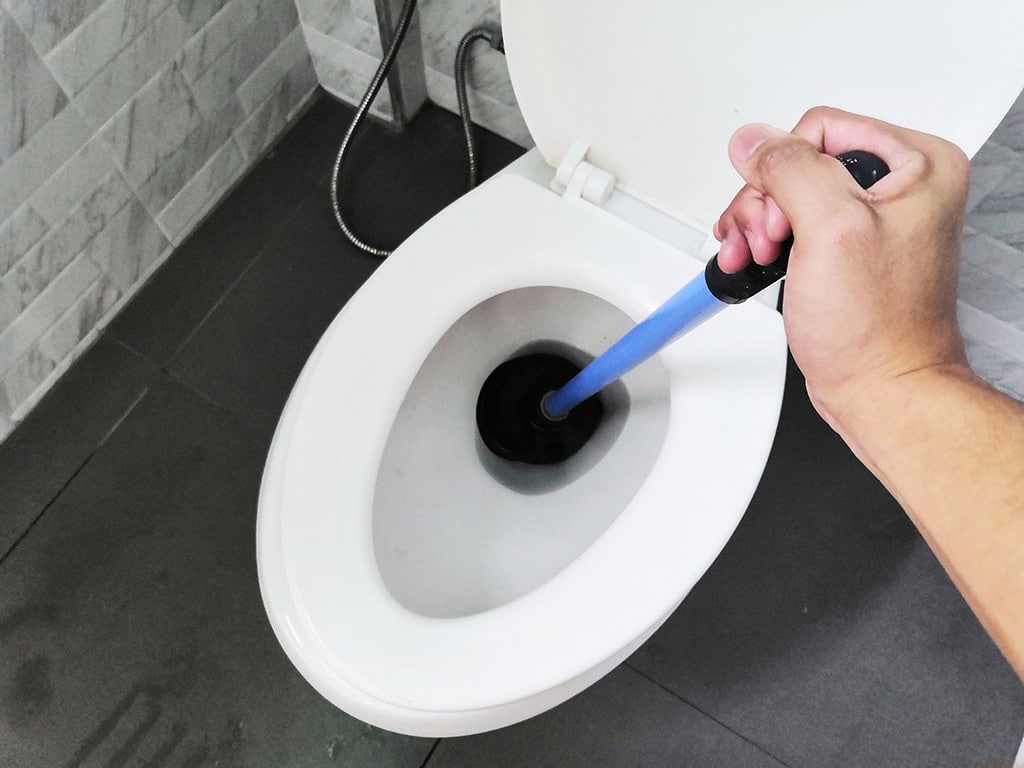
somebody unclogging toilet. Never flush things.

4. Grease Disposal:

Never pour cooking grease down the drain. Grease can solidify in pipes, leading to clogs and slow drainage. Dispose of grease in a separate container and throw it away with your household waste.

5. Maintain Proper Slope:

Ensure that your sewer lines maintain the proper slope for efficient drainage. Incorrect slopes can lead to water pooling, blockages, and costly repairs. Consult a professional if you suspect a slope issue.

6. Be Cautious with Chemicals:

Avoid using harsh chemicals to clear clogs. They can damage your pipes and harm the environment. Opt for environmentally-friendly alternatives or consult a professional plumber to address stubborn clogs.

7. Protect Against Freezing:

If you live in a region with cold winters, take precautions to prevent your sewer lines from freezing. Insulate exposed pipes and disconnect outdoor hoses to avoid burst pipes.

8. Educate Yourself:

Learn about your sewer system and its components. Understand where your main sewer line is located and the location of clean-out access points. This knowledge can be valuable when discussing issues with a professional plumber.

9. Invest in Preventive Maintenance:

Consider hiring a professional plumber for preventive maintenance. Regular check-ups can identify and address potential problems before they become major issues. It’s a worthwhile investment for long-term sewer system health.

10. Respond Promptly to Issues:

If you notice signs of sewer problems, such as slow drains, foul odors, or gurgling sounds in your plumbing, don’t delay. Address these issues promptly to prevent them from worsening.

Now that you know how to maintain your new sewer system for optimal condition, remember, if you ever encounter any issues, you can rely on the exceptional plumbers at Kahuna Comfort. We provide top-notch services across the entire Los Angeles area, from Thousand Oaks to Riverside.
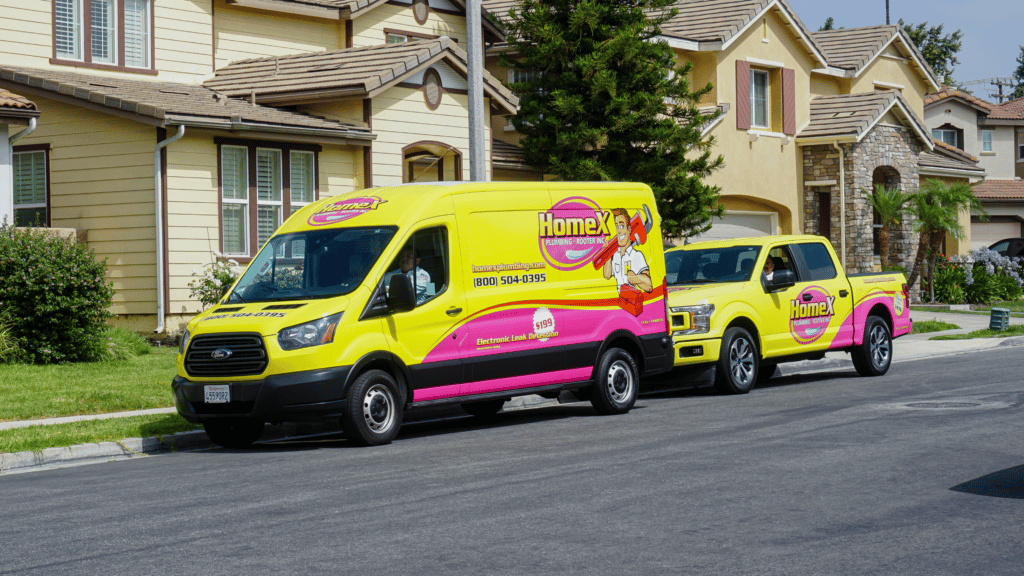
Kahuna Comfort Plumbing, Heating, & Air van and truck
how to prevent plumbing problems in your home - plumbing tips to maintenance

7 Tips to Prevent Plumbing Problems at Home

Plumbing is an essential part of any home, but it’s often taken for granted until something goes wrong. Leaks, blockages, and other plumbing issues can cause significant inconvenience and unexpected expenses. However, many of these problems can be avoided with proper maintenance and some simple habits. In this article, we’ll share some tips to help you prevent plumbing problems at home and keep your water system in optimal condition.

1. Regular Inspection.

Regularly inspect your pipes, faucets, toilets, and drainage systems for signs of leaks, drips, or corrosion. Address any issues immediately to prevent them from worsening.

2. Don’t Overload Toilets and Drains.

Avoid flushing excessive toilet paper, personal hygiene products, disposable wipes, or kitchen grease down the sink. These items can clog pipes and lead to serious plumbing problems.

3. Install Drain Guards.

Install drain guards in sinks and bathtubs to catch hair and other debris before it enters the pipes, making it easier to remove and prevent clogs.

4. Check Water Pressure.

Excessively high water pressure can damage pipes and appliances over time. Use a water pressure gauge to ensure it’s within the recommended range, usually between 40 and 60 PSI. Consider installing a pressure regulator if needed.

5. Insulate Pipes in Winter.

Protect your pipes from freezing in cold climates by insulating exposed pipes and disconnecting garden hoses in winter to prevent freezing and bursting.

6. Schedule Regular Maintenance.

Investing in regular preventive maintenance by hiring a professional plumber can identify potential issues and perform necessary repairs before they escalate into costly emergencies.

7. Close the Main Valve When Away.

If you plan to be away from home for an extended period, close the main water valve to prevent potential leaks or unexpected floods while you’re not present.

By following these tips, you can significantly reduce the likelihood of plumbing problems in your home. Prevention and proper maintenance are essential for keeping your plumbing system in good shape and saving money in the long run.

However, if you already have plumbing problems in your home, you can always call Kahuna Comfort for our premium services.

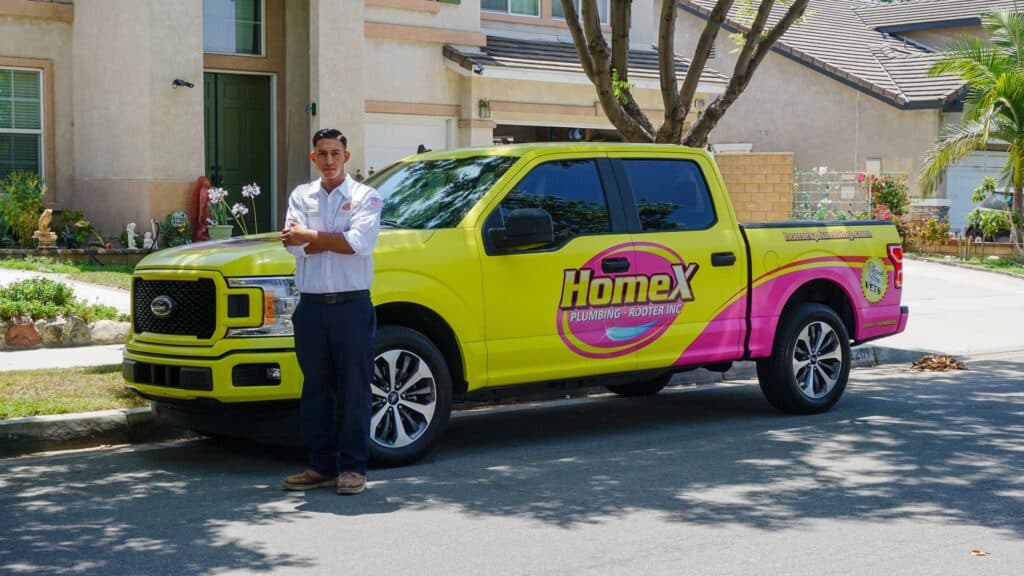
Kahuna Comfort Plumbing, Heating, & Air's team member in the Anaheim area
how to prevent plumbing problems in your home - plumbing tips to maintenance

7 Tips to Prevent Plumbing Problems at Home

Plumbing is an essential part of any home, but it’s often taken for granted until something goes wrong. Leaks, blockages, and other plumbing issues can cause significant inconvenience and unexpected expenses. However, many of these problems can be avoided with proper maintenance and some simple habits. In this article, we’ll share some tips to help you prevent plumbing problems at home and keep your water system in optimal condition.

1. Regular Inspection.

Regularly inspect your pipes, faucets, toilets, and drainage systems for signs of leaks, drips, or corrosion. Address any issues immediately to prevent them from worsening.

2. Don’t Overload Toilets and Drains.

Avoid flushing excessive toilet paper, personal hygiene products, disposable wipes, or kitchen grease down the sink. These items can clog pipes and lead to serious plumbing problems.

3. Install Drain Guards.

Install drain guards in sinks and bathtubs to catch hair and other debris before it enters the pipes, making it easier to remove and prevent clogs.

4. Check Water Pressure.

Excessively high water pressure can damage pipes and appliances over time. Use a water pressure gauge to ensure it’s within the recommended range, usually between 40 and 60 PSI. Consider installing a pressure regulator if needed.

5. Insulate Pipes in Winter.

Protect your pipes from freezing in cold climates by insulating exposed pipes and disconnecting garden hoses in winter to prevent freezing and bursting.

6. Schedule Regular Maintenance.

Investing in regular preventive maintenance by hiring a professional plumber can identify potential issues and perform necessary repairs before they escalate into costly emergencies.

7. Close the Main Valve When Away.

If you plan to be away from home for an extended period, close the main water valve to prevent potential leaks or unexpected floods while you’re not present.

By following these tips, you can significantly reduce the likelihood of plumbing problems in your home. Prevention and proper maintenance are essential for keeping your plumbing system in good shape and saving money in the long run.

However, if you already have plumbing problems in your home, you can always call Kahuna Comfort for our premium services.

Kahuna Comfort Plumbing, Heating, & Air's team member in the Anaheim area