🎉 Exciting News: Home X is now Kahuna Comfort Plumbing, Heating & Air! 🎉

Author: Eric

Help! My Water Heater Is Making Popping Noises

Last Modified On 7/17/24

Feeling worried, frustrated, or confused about annoying popping sounds coming from your water heater? Don’t worry, these sounds usually mean something needs a little attention. Lowe’s estimates, “that most water heaters have a good long life, lasting around 8-12 years”, especially if they get some regular maintenance. How long your home’s gas or electric water heater lasts depends on how much it gets used and if a plumber takes a look at it every year. It is time for a checkup when your water heater makes crackling noises! Kahuna Comfort knows all the strange water heater sounds, what they mean, and how to get yours working quietly again.

What Do Those Water Heater Noises Mean?

If you hear popping or crackling noises coming from your water heater, chances are there’s a buildup of mineral deposits in the tank – kind of like tiny rocks at the bottom. Water gets trapped under those deposits, and when it heats up, it makes those popping noises. This isn’t just annoying; it can also limit your hot water and even damage your water heater over time. The best way to fix this is a good flush of the tank, something a professional plumber can do for you. Don’t ignore that popping; if left alone, it could lead to bigger and more expensive problems down the road.

Keep reading to see if these are 3 scary sounds you may be hearing from your hot water heater.

What Do Screeching Sounds Indicate?

Screeching noises from your water heater are a cause for concern. A high-pitched screech could mean a few things, including problems with the inlet control valve. This valve regulates water flowing into your tank, and if it gets partially stuck closed, it can cause high pressure and annoying noises. Other times, the issue might be with your pressure relief valve or even your home’s water supply. Whatever the cause, it’s best to have a plumber take a look as high pressure could damage your water heater or even be dangerous.

Does Condensation Produce Crackling Noises?

If your water heater is making crackling or sizzling sounds, and you notice some water around the base, it might be dealing with excess condensation. This happens especially with gas water heaters, where the burner flame can cause water droplets to form on the outside of the tank. When those water droplets hit the hot burner, they sizzle and pop – causing those strange noises. While the sound itself might not be dangerous, excess condensation can signal other problems, like leaks or improper venting, that need to be addressed by a plumber.

How About Humming Sounds?

Bob Villa suggests, “A low humming sound from your electric water heater often points to issues with the heating element”. These elements are responsible for actually heating your water, and over time they can get coated with mineral deposits. This makes it harder for them to work, and that can cause a vibrating or humming noise. Sometimes, a simple tightening of the heating element can fix the hum. Other times, the element may be failing and need replacement. A plumber can diagnose the exact issue and provide the right fix.

DIY Fix: Flushing the Tank

Based on our provided information, your finances, and your situation you could be willing to be brave and feel confident about fixing this issue yourself. We will try and give you a couple of pointers, but if you become frustrated or make the problem worse yourself, it would be best to call a plumber from Kahuna Comfort for flushing a water heater.

  • DIY Procedure:
    1. Turn off the power to the water heater. (Safety first!)
    2. Shut off the cold water supply.
    3. Attach a hose to the drain valve at the bottom of the tank and direct the other end to a suitable drain.
    4. Open a hot water faucet elsewhere in the house for pressure relief.
    5. Open the drain valve and let the tank flush. Continue for about 5 minutes or until the water runs clear.
    6. Close the drain valve, refill the tank, and restore power.

When DIY Isn’t Enough: How Kahuna Comfort Plumbing Can Help

We understand that some homeowners like to tackle problems themselves, and a water heater flush can sometimes be a successful DIY fix. But sometimes, the problem is more complicated or requires special tools that the average homeowner doesn’t have. That’s where Kahuna Comfort Plumbing, Heating, & Air comes in! Here’s how we can help

  • Accurate Diagnosis: While sediment buildup is a common cause of crackling, other things can make your water heater noisy. We’ll pinpoint the exact issue so you get the right solution.
  • Beyond Flushing: Sometimes, flushing alone might not suffice. We offer thorough repairs, part replacements, and expert solutions for a wide range of water heater problems.
  • New Water Heaters: If your water heater is older or has extensive damage, replacement might be the most cost-effective option. We can recommend and install the right water heater for your home’s needs.
  • Reliable Service, Reliable Results: Water heater issues can be stressful. Let us handle the problem so you can relax and enjoy reliable hot water again!

Remember, unusual noises from your water heater are often a sign that something needs attention. While DIY flushing can sometimes fix sediment-related crackling or popping, other issues may require professional diagnosis and repair. Don’t let those noises linger! Ignoring them can lead to decreased efficiency, bigger problems, and even premature failure of your water heater. Whether you attempt a DIY fix first or choose to call the experts at Kahuna Comfort Plumbing, Heating, & Air right away, taking action is the best way to protect your investment and ensure reliable hot water for your home.

How Do You Unclog a Drain? 

As you wash your hands after a long day at work or run a load of laundry after your child’s baseball game, you expect the wastewater to flow down your drain and away from your house. Drains are an essential part of your household that you often forget about until something goes wrong. 

Drain clogs are always frustrating, and they can even be messy or dangerous, depending on the specific drain. Let’s explore how to unclog a drain using some simple supplies at home. 

Kitchen Drain Clogs 

Kitchen drains put up with a lot. Whether you have a garbage disposal or not, food particles wind up in your kitchen sink drain as you wash dishes and prepare meals.

Over time, these particles build up and can lead to a serious clog. Grease and oil can also be troublesome, so avoid pouring liquified grease into your drains to prevent blockages. 

Bathroom Drain Clogs 

Bathrooms are one of the most used spaces in a family home, so clogs are common in bathroom sinks and shower drains. A buildup of hair is one of the most common causes of bathroom drain clogs. Soap scum can also build up along your drain, slowing water flow and corroding your pipes. 

How Do You Get Rid of a Clog? 

Be very careful if you are going to attempt to unclog a drain yourself. Check the area thoroughly to make sure there are no hidden hazards like sharp objects or small spaces that your hands or fingers could get stuck in while you work. 

To start, if you see a visible obstruction, remove it carefully and use a flashlight to ensure you removed the entire blockage. If you can’t see the reason for the clog, try using a drain snake. This long, toothed tool is a great way to pull out flexible obstructions like hair. 

If you still aren’t finding success, concoct a homemade drain cleaner to pour down the affected drain. Pour one cup of baking soda into the drain and then follow that with one cup of vinegar. Seal your drain with your stopper if you can, and wait about an hour to see if the mixture breaks down the clog itself. 

After the hour is up, run boiling water down your drain to wash away the remnants of the cleaner and the clog. If you’re still struggling with a clogged drain after all of that, then it’s time to call in a professional. 

Utilizing a Professional Plumber To Unclog a Drain 

Not all drain clogs are easy fixes, which is why relying on a professional plumber is essential. If you aren’t careful, you can do more harm than good to your drain lines while trying to clear the clog.

You can even make the clog worse in your DIY attempts or cause further damage. A professional plumber has the tools and plumbing knowledge to assess the situation, clear the clog, and offer tips to prevent it from happening again.

Are you ready to unclog a drain in your home? Call Kahuna Comfort Plumbing & Rooter today at (714) 426-9207.

Types of Water Valves for Residential Plumbing


Homeowners don’t need to be experts in plumbing, but they should at least have a basic familiarity with how their plumbing systems work. Your home’s plumbing consists of several components working together to bring your house clean water while taking waste water away. Among these many useful parts are residential water valves. 

Water valves control the flow and temperature of water within your plumbing system, but they’re not all the same. Each has a unique job that helps control your home’s water supply.

The Different Types of Water Valves for Residential Plumbing Systems

Not all water valves operate the same way. Here are a few types you might see around your home and what they do:

Pressure Relief Valves

Pressure relief valves control the water pressure in your plumbing system. Since water from the municipal supply tends to have a higher pressure, these valves lower the water pressure for your home. That way, the water won’t damage your plumbing fixtures by exerting too much force. 

Faucet Valves

As their name implies, faucet valves help control water flow from your bathroom and kitchen faucets. They also come in a few different forms, depending on their function:

  • Cartridge valves: Two-handle sinks tend to have separate cartridge valves for hot and cold water. These valves have a movable stem that makes it easy to control the flow of water from the faucet. 
  • Ceramic disc valves: These valves offer a more durable seal to prevent leaks and consist of two discs, one on top of the other. 
  • Compression valves: These are common in older sinks and are more prone to leaks since they use rubber washers. 

Ball Valves

Newer homes are more likely to have ball valves than older homes. You can typically find these residential water valves by the main water line, and they’re easy to spot thanks to their lever handles. 

A lever handle stops the flow of water completely when you close it. You can tell when the valve is opened or closed by looking at the handle placement. If it’s parallel to the pipes, the valve is open; if it’s perpendicular, it’s closed. 

FAQs About Residential Water Valves

Below are some of the most frequent questions we hear from homeowners about their water valves.

What Materials Do Water Valves Use?

Most homes have brass, stainless steel, plastic, bronze, galvanized pipe, or cast iron water valves. 

Are There Other Types of Water Valves in Your Home’s Plumbing?

Yes, your home also has stop valves, shut-off valves, gate valves, and many others that help control water flow.

Kahuna Comfort Has Your Residential Plumbing Solutions

Each type of water valve plays an important role in your home’s plumbing system. If you have more questions about residential water valves or need a timely, reliable service, call our Kahuna Comfort Plumbing, Heating, & Air team. 

We proudly offer top-rated plumbing repair, installation, leak detection, and more. Call Kahuna Comfort Plumbing, Heating, & Air at (714) 426-9207 for service today!

Troubleshooting Common Reasons Your Water Heater Isn’t Working

Stepping into an icy shower or facing the sting of cold water when you expect a warm embrace can be a jarring wake-up call that something’s amiss with your water heater. Like a silent guardian, the water heater is often overlooked until its warmth fades, plunging your daily routines into chilly disarray.

Diagnosing the root causes requires a blend of detective work and knowledge, with signs pointing toward issues ranging from simple to complex.

Identifying the Signs Your Water Heater Needs Attention

Embarking on a journey to ensure the longevity and efficiency of your home’s water heater requires a keen eye for detail and an understanding of common indicators of malfunction.

Whether you’re greeted by a blast of cold water, find yourself adjusting the shower knob far too often in search of the perfect temperature, or your senses are assaulted by foul odors and discolored water, your water heater is crying out for help. Recognizing these signs as sentinel events pointing towards a need for intervention can transform you from a distressed homeowner to a proactive guardian of your abode’s warmth and comfort.

No Hot Water at All

Encountering a situation where your water heater fails to deliver any hot water transforms an expected comfort into an inconvenient chill. This absence of warmth often signals a deeper issue within your system – it could be as straightforward as a tripped circuit breaker or as complex as a malfunctioning heating element. Addressing this symptom promptly can restore the equilibrium of your domestic harmony, turning icy showers into a forgotten memory.

Water Temperature Inconsistency

Water temperature inconsistency, a mercurial tyrant within the realm of home comfort, often betrays a hidden quandary within the depths of your water heating system. This capricious behavior, where the water veers between scalding and icy with no apparent rhyme or reason, can point to thermostat malfunctions or the sinister encroachment of sediment within the tank. Such fluctuations are not merely inconvenient; they stand as harbingers of the necessity for a closer look beneath the surface of your water heating apparatus.

Discolored Water or Bad Odor

When your water heater begins to emit foul odors or your tap dispenses discolored water, it’s akin to your appliance sounding the alarm: something’s amiss internally. This scenario often stems from bacteria thriving in the tank or sediment build-up, both of which compromise water quality and the system’s efficiency. Recognizing these unwelcome changes as your water heater’s cry for help ensures you take timely action to shield your home from the subtle threat lurking within.

Strange Noises Coming From the Heater

When your water heater begins to serenade you with a symphony of pops, knocks, or rumbling tones, it’s not attempting to channel its inner musician; rather, it’s signaling distress. These auditory anomalies often stem from sediment rolling over the heating element or the unsettling dance of boiling water within sediment layers, warning of inefficiencies and the potential for heating element doom. Heeding these sounds as the clarion call they are could save you from a cold morning shower’s embrace.

Leaks Around the Water Heater

Discovering a puddle around your water heater is akin to finding an unexpected oasis that, unfortunately, signals trouble in paradise rather than relief. This unwelcome wetness typically heralds a leak, either from the tank itself, indicating potential corrosion or a breach, or from the connections and fittings that bind your heater’s intricate dance of heat and water. 

Troubleshooting Gas Water Heaters

Transitioning to the domain of gas water heaters unveils a new set of characters instrumental in the narrative of your home’s warmth.

As the custodian of this crucial appliance, your introduction to three pivotal acts – inspecting the gas supply and pilot light, cleaning the gas burner and intake, and checking the thermocouple – sets the stage for understanding and rectifying the reasons behind a malfunctioning heater.

Each step is a chapter in the broader saga of troubleshooting, designed with precision to guide you through the labyrinth of potential setbacks your water heater faces, ensuring the flame of functionality remains ignited.

Inspecting the Gas Supply and Pilot Light

Peering into the heart of your gas water heater, a critical eye on the gas supply and pilot light unveils the initial elements vital to its operation. Ensuring the valve that ushers gas into your heater stands fully open becomes a paramount step, akin to unlocking the gate to warmth’s flow. Observing the pilot light, that tiny sentry of flame, should flicker with life, signifying the readiness of your system to combat the cold; a dim or absent flame whispers the need for immediate attention, beckoning a reignition to restore your home’s comfort.

Cleaning the Gas Burner and Intake

Initiating the task of cleaning the gas burner and intake on your water heater is akin to clearing the throat of a vocalist before a performance: it ensures the steady, uninterrupted flow of gas and air essential for an optimal flame. This maintenance step, often overshadowed by more immediate repairs, plays a critical role in preventing the erratic heating and inefficiency that plague neglected systems. By removing the grime and debris that accumulate over time, you not only enhance the efficiency of your gas water heater but also extend its life, making this task a cornerstone of proactive home appliance care.

Checking the Thermocouple

Exploring the domain of gas water heaters further, the thermocouple emerges as a pivotal character amidst the tangle of potential issues. This slender guardian, tasked with sensing the presence of the pilot flame, can veto the gas supply when it suspects the flame’s absence, a safety measure designed to prevent uncontrolled releases of gas. Should your water heater falter in its mission to deliver warmth, turning your gaze towards the thermocouple’s function and integrity offers a crucial checkpoint in the troubleshooting process, urging a careful examination or replacement to reignite the steady stream of comfort to your home.

Troubleshooting Electric Water Heaters

Wading through the waters of electric water heater troubleshooting requires a targeted approach to uncover and rectify issues that leave you in the cold. Central to restoring the warmth to your waters are three critical investigations: a thorough examination of the heating elements, the imperative reset of the high-temperature cutoff switch, and a meticulous inspection of the thermostat.

Each step is a beacon in the fog, guiding you towards not just understanding but solving the enigma of a water heater that refuses to perform its essential function.

Checking the Heating Elements

Delving into the heart of your electric water heater’s woes often leads to the heating elements, those stalwart soldiers responsible for transforming electrical energy into the heat that warms your water. If your showers have turned icy, it’s crucial to inspect these components for signs of corrosion or damage. A heating element veiled in mineral deposits or marred by wear no longer sings in harmony with electricity, reducing its capability to heat water efficiently and signaling the need for a swift replacement.

Inspecting the Thermostat

Turning your investigative gaze towards the thermostat, you enter into a dialogue with the very nerve center of your water heater’s operation. This essential component, acting as the maestro conducting the symphony of heat within your appliance, might fall out of tune, misinterpreting the demands for warmth as invitations for silence. By ensuring the thermostat is accurately calibrated and free from the shackles of electrical malfunction, you safeguard the continuous flow of hot water, reinstating the comfort and convenience your home deserves.

When to Seek Professional Help or Consider Replacement

Navigating the labyrinth of your water heater’s inconsistencies might lead you to a critical juncture: deciphering whether to enlist professional assistance or weigh the anchor in favor of replacement.

This crucial decision hinges not merely on troubleshooting the current dilemma but on a broader analysis that spans evaluating the age and condition of your water heater, juxtaposing the financial implications of repair against replacement, and charting a course toward finding a technician whose qualifications align with the task at hand.

Boosting Water Pressure at Home: Tips and Techniques

Insufficient water pressure can be a frustrating issue in any household, affecting daily tasks like showering, dishwashing, and laundry. Fortunately, several methods can help boost it and improve the overall efficiency of your plumbing system.

1. Check for Obstructions:

Start by inspecting faucets, showerheads, and aerators for mineral buildup or debris that may be obstructing water flow. Clean or replace these components as needed to restore proper pressure.

2. Adjust Pressure Regulator:

Locate the pressure regulator near the main water supply valve and adjust it to increase pressure. Be cautious not to exceed recommended pressure levels to avoid damaging pipes and appliances.

3. Unblock Pipes:

Clogged or narrow pipes can restrict water flow, leading to low pressure. Consider professional pipe cleaning or replacement to remove obstructions and improve water flow throughout your home.

4. Install a Pressure-Boosting Pump:

A pressure-boosting pump can significantly increase pressure in your home by actively pumping water through the plumbing system. Consult with a plumber to determine the appropriate pump size and installation method for your needs.

5. Upgrade Plumbing Fixtures:

Old or inefficient plumbing fixtures may contribute to low water pressure. Upgrade to high-pressure showerheads, faucets, and appliances designed to optimize water flow and pressure.

6. Address Leaks:

Even minor leaks can reduce pressure in your home. Inspect pipes, fixtures, and appliances for leaks and repair them promptly to prevent water waste and improve pressure.

7. Install a Water Softener:

Hard water can cause mineral buildup in pipes, reducing pressure over time. Installing a water softener can remove mineral deposits and improve water flow throughout your plumbing system.

8. Consult a Professional:

If DIY methods fail to raise water pressure or if you suspect underlying issues with your plumbing system, consult a licensed plumber. They can perform a thorough inspection and recommend appropriate solutions tailored to your home’s needs.

Keeping Rust at Bay: Preserving Your Plumbing System

Rust in pipes can spell trouble for your plumbing system, leading to corrosion, leaks, and water quality issues. Proactive measures can help avoid rust, and understanding when to replace rusty pipes is crucial for maintaining a healthy plumbing system.

Preventing Rust in Pipes:

  1. Regular Inspections:
    Conduct routine visual inspections of exposed pipes. Look for any signs of rust, discoloration, or corrosion.
  2. Invest in Corrosion-Resistant Pipes:
    When installing or replacing pipes, opt for materials resistant to corrosion. Stainless steel, copper, and PVC are excellent choices that resist rust formation.
  3. Control Water pH:
    Acidic water can accelerate rusting. Test your water’s pH and, if necessary, install a water softener to maintain a balanced pH level.
  4. Use Water Filters:
    Install water filters to trap sediments and impurities that can contribute to rust formation. Regularly replace filters to ensure optimal efficiency.
  5. Address Leaks Promptly:
    Even small leaks can contribute to rust. Promptly fix any leaks in your plumbing system to prevent water exposure to vulnerable areas.

When to Change Rusty Pipes:

  1. Visible Rust:
    If pipes show visible signs of rust or corrosion, it’s a clear indication that replacement is necessary. Rust compromises the structural integrity of the pipes.
  2. Low Water Quality:
    Rusty pipes can lead to discolored or foul-smelling water. If you notice a decline in water quality, it’s time to investigate and consider replacing affected pipes.
  3. Frequent Leaks:
    Persistent leaks, especially around joints or rusty areas, are a red flag. These indicate that the pipes are deteriorating and need attention.
  4. Reduced Water Pressure:
    Rust buildup can constrict the flow of water, leading to reduced water pressure. If you experience a noticeable decrease in pressure, rusty pipes could be the culprit.
  5. Age of Pipes:
    Pipes have a lifespan, and if your plumbing system is composed of aging pipes, consider replacing them proactively to prevent rust-related issues.

Conclusion:

Avoiding rust in pipes is a proactive endeavor involving regular inspections, water quality management, and prompt leak repairs. Recognizing the signs of rusty pipes and knowing when to replace them ensures the longevity and efficiency of your plumbing system.

Plumbing Checks Before Buying a House: A Wise Investment

When purchasing a new home, the allure of gleaming countertops and spacious bedrooms may overshadow the importance of a thorough plumbing inspection. However, neglecting this crucial step can have significant repercussions on both your investment and future peace of mind.

The Importance of Plumbing Checks:

Unseen Issues:

Plumbing problems are often concealed behind walls and beneath floors. A comprehensive inspection can reveal potential issues, preventing unwelcome surprises post-purchase.

Preventing Future Costs:

Identifying plumbing issues beforehand allows for necessary repairs or replacements, saving you from costly surprises down the road. Leaks, faulty pipes, or outdated systems can lead to substantial expenses if left unaddressed.

Ensuring Safety:

Faulty plumbing can pose safety hazards, such as water damage or mold growth. A thorough inspection ensures that the home is a safe environment for you and your family.

Negotiating Power:

Uncovering plumbing issues during the inspection provides leverage for negotiation. You can either request repairs or adjust the purchase price to accommodate necessary fixes.

Future-Proofing:

Investing in a home with robust plumbing systems ensures long-term durability. Knowing the state of the plumbing allows you to make informed decisions about potential upgrades or improvements.

Impact on Home Prices:

Price Adjustments:

If plumbing issues are identified, you may negotiate a lower purchase price to offset the cost of repairs.

Market Value Considerations:

Homes with well-maintained plumbing systems generally command higher market values. A thorough plumbing inspection can contribute positively to the perceived value of the property.

Potential Deal-Breaker:

Severe plumbing issues can become deal-breakers for some buyers. Sellers are often motivated to resolve these issues or adjust the price accordingly to facilitate a smoother transaction.

A plumbing inspection is not just a formality but a strategic investment in your home purchase. It ensures the safety and durability of your new dwelling while providing the opportunity for informed negotiations. A well-maintained plumbing system contributes not only to your peace of mind but also to the long-term value of your investment.

How to Make a Successful Water Leak Insurance Claim

Water leaks in your home can be an unexpected stressor, particularly when it comes to filing an insurance claim. Many homeowners are left wondering if insurance covers plumbing-related water leaks. This can lead to confusion and concern over how to proceed and what to expect from the claims process.

Understanding your homeowner’s insurance policy and knowing how to navigate the claims process can make a significant difference in the outcome of your claim. This article is designed to guide you through making a successful water leak insurance claim, specifically focusing on plumbing-related issues.

In this article, you will learn:

  • How to determine if your homeowner’s insurance covers plumbing-related water leaks.
  • The step-by-step process for filing a successful water leak insurance claim.
  • Tips to maximize your claim’s success rate and avoid common pitfalls.

Let’s dive into the details and ensure you’re prepared to handle a water leak insurance claim with confidence.

Understanding Your Homeowner’s Insurance Policy

Homeowner's insurance policy form

Navigating the complexities and legalese of homeowner’s insurance can be daunting, especially when it comes to water damage. It’s better to know what your policy covers before a leak occurs, so you’re not caught off guard.

Generally, homeowner’s insurance policies cover sudden and accidental water damage. This can include damage from burst pipes, but there are nuances to be aware of.

What’s Typically Covered

Most standard policies cover:

  • Sudden and Accidental Damage: This includes water damage from a burst pipe or a plumbing system failure.
  • Dwelling Coverage: This part of your policy typically covers the structure of your home, including floors, walls, and ceilings damaged by water.
  • Personal Property Coverage: If your belongings are damaged due to a plumbing leak, this coverage can help replace them.

What’s Not Normally Covered

  • Gradual Damage: Damage occurring over time, such as a slow leak that was not addressed, is often excluded.
  • Maintenance Issues: Homeowners are generally expected to maintain their plumbing systems. Negligence or failure to make repairs can lead to denied claims.
  • Flood Damage: It’s important to note that flooding from external sources is not covered under standard homeowner’s insurance policies. Separate flood insurance is required for this type of damage.

Case Studies or Examples

  • Covered Scenario: A homeowner wakes up to find their kitchen flooded due to a burst pipe under the sink. The damage to the kitchen cabinets and flooring is typically covered under their policy, minus the deductible.
  • Non-Covered Scenario: Over several months, a small leak from a bathroom pipe causes mold behind the walls. Since the leak was gradual and not sudden, the insurance company denies the claim.

Understanding the specifics of your policy is key to navigating a water leak claim. It’s advisable to review your policy annually with your insurance broker and discuss any unclear aspects with your insurance agent. This proactive approach can help you make informed decisions about additional coverages, such as water backup coverage, which can offer extra protection.

Identifying and Documenting Water Leaks

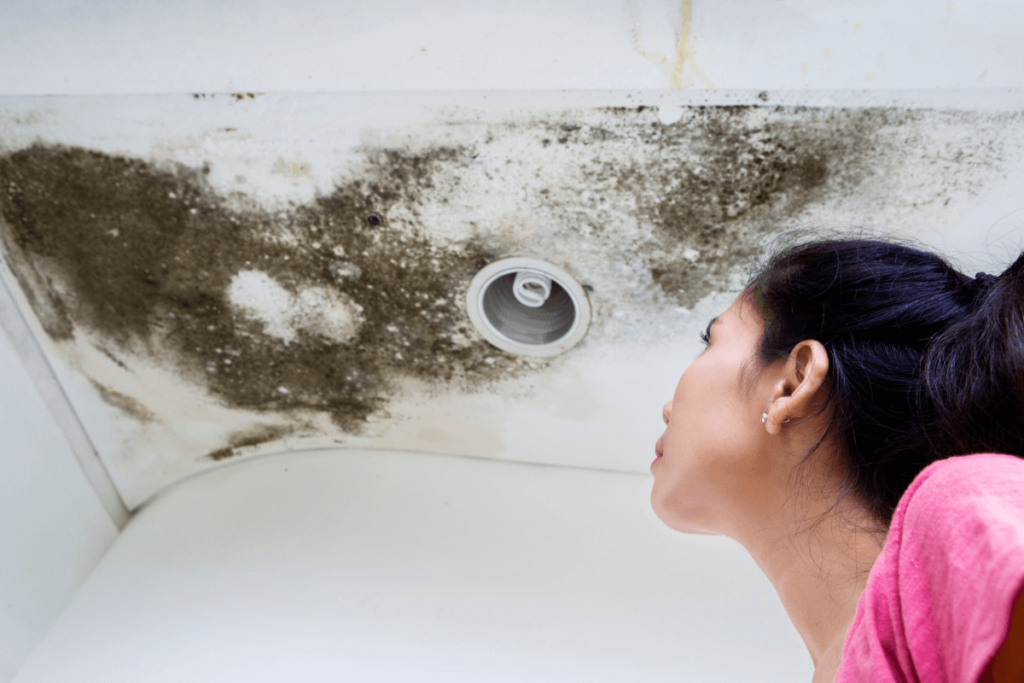
Woman looking up at signs of water damage in her ground floor ceiling

Discovering a water leak in your home requires immediate action, not only to minimize damage but also to ensure your insurance claim is supported by strong documentation.

Initial Steps to Take When You Discover a Water Leak

  1. Stop the Water Source: If possible, turn off the water supply to the affected area to prevent further damage.
  2. Identify the Leak’s Source: Determine where the leak is coming from, such as a burst pipe or a faulty appliance.
  3. Contact a Professional: For significant leaks, it’s crucial to call a plumber immediately. They can fix the problem and provide a report that can support your insurance claim.

Importance of Documenting the Damage

  • Take Photos and Videos: Document the extent of the water damage as soon as possible. Capture images of the source of the leak, affected areas, and damaged property.
  • Keep Records of Repairs: Save your receipts and detailed records of any emergency repairs and professional assessments. This information will be vital when filing your claim.

Professional Assessments

  • Hire a Water Damage Specialist: In some cases, it might be beneficial to hire a water damage specialist. They can assess the full extent of the damage, including potential mold growth or structural issues that are not immediately visible.
  • Obtain a Detailed Report: Ensure you receive a detailed report from any professional assessments. This should include the cause of the leak, the extent of the damage, and the recommended repairs. This report can significantly strengthen your insurance claim.

Documenting your damage comprehensively and obtaining professional assessments are crucial steps in the claims process. These actions not only help in filing your claim but also in ensuring you receive a fair assessment from your insurance company.

Filing Your Water Leak Insurance Claim

Homeowner signing off on plumbing work documentation

After identifying and documenting the water leak, the next step is to file your insurance claim. This process can vary slightly between insurance companies, but the following steps outline the general procedure.

Necessary Documentation for Filing a Claim

  • Insurance Policy Number: Have your policy number ready. This is the first thing your insurance company will ask for.
  • Detailed Documentation of Damage: Include all photos, videos, and professional reports you’ve collected. The more detailed your documentation, the stronger your claim.
  • List of Damaged Items: Prepare a detailed list of damaged property, including the estimated value and purchase date of each item.

Communicating with Your Insurance Provider

  • Initial Contact: Reach out to your insurance provider as soon as possible to start the claim process. You can typically do this over the phone, via an online portal, or through a mobile app, depending on your insurer.
  • Provide Detailed Information: When you file the claim, be prepared to provide detailed information about the extent of the water damage and any immediate actions you’ve taken.
  • Ask Questions: Inquire about the next steps, the timeline for the claim process, and if there are any specific requirements or additional documentation needed from your side.

What to Expect During the Insurance Adjuster’s Visit

  • Scheduling an Appointment: Your insurance company will send an adjuster to examine the damage. Be sure to schedule a time when you can be present.
  • The Inspection: The adjuster will inspect the damaged areas, review your documentation, and assess the overall impact of the leak.
  • Discussion of Next Steps: After the inspection, the adjuster will explain the next steps in the claim process, including an estimated timeline for repairs and compensation.

Filing a claim requires organization and attention to detail. By providing comprehensive documentation and effectively communicating with your insurance provider, you can streamline the process and increase your chances of a favorable outcome.

Maximizing Your Claim’s Success

Securing a successful outcome for your water leak insurance claim involves more than just submitting documentation. Here are strategies to ensure your claim is taken seriously and to maximize your chances of receiving a fair settlement.

Strategies to Ensure Your Claim is Taken Seriously

  • Be Proactive and Persistent: Follow up regularly on the status of your claim. Regular communication keeps your case active and can help expedite the process.
  • Use Clear, Concise Language: When describing the damage, be clear and factual. Avoid speculative language that could be used to minimize your claim.
  • Leverage Professional Assessments: Professional reports from plumbers or water damage specialists can provide authoritative support for your claim, emphasizing the necessity of covered repairs.

How to Dispute a Denied Claim or Negotiate a Better Settlement

  • Understand the Reason for Denial: Request a detailed explanation for any denial or lowball offer. This information is crucial for formulating your response.
  • Gather Additional Evidence: If your claim is denied or undervalued, additional documentation or a second opinion from another professional may strengthen your case.
  • Consider Hiring a Public Adjuster: Public adjusters represent your interests and can help negotiate with the insurance company. They’re particularly valuable in complex claims or when disputing a decision.

The Role of a Public Adjuster: Pros and Cons

  • Pros: Public adjusters have expertise in insurance claims and can often negotiate higher settlements. They handle the negotiation process, reducing stress and freeing up your time.
  • Cons: Public adjusters charge a fee, typically a percentage of the claim settlement. It’s important to weigh the potential higher settlement against these costs.

Taking these steps can significantly improve the outcome of your claim. It’s about being informed, prepared, and willing to advocate for your interests effectively.

Preventative Measures to Avoid Future Water Leaks

Proactive maintenance and smart home improvements can significantly reduce the risk of future water leaks. Here are practical tips for keeping your plumbing system in top condition and leveraging technology to detect leaks early.

Regular Maintenance Tips for Plumbing Systems

  • Regular Inspections: Schedule annual inspections of your plumbing system to detect leaks and repair minor issues before they become major problems.
  • Replace Old Pipes: If your home has old or corroded pipes, consider re-piping and replacing them. Modern materials are much less prone to leaking.
  • Monitor Water Pressure: High water pressure can strain pipes and lead to leaks. Install a pressure regulator if needed.

Impact on Insurance Premiums

  • Lower Risk, Lower Premiums: Demonstrating proactive measures to prevent leaks can lower your risk profile, potentially leading to lower insurance premiums.
  • Discounts for Smart Home Devices: Some insurance companies offer discounts for homes equipped with leak detection and prevention technology.

Taking preventative measures against water leaks not only protects your home but can also have a positive impact on your insurance relationship. By demonstrating that you’re actively reducing risk, you can potentially save on premiums and avoid the hassle of future claims.

3 Proven Techniques for Removing Hard Water Stains from Glass Surfaces

Hard water stains on glass can mar the beauty of your home’s windows, shower doors, and other surfaces, leaving them looking cloudy and unclean. Removing these stubborn marks isn’t as easy as just wiping them away, and it often leaves homeowners battling against their water. The frustration is real, but so is the possibility of crystal-clear glass.

Ready to remove your hard water stains? Here’s what we’ll cover:

  • The science behind hard water stains and why they are so persistent.
  • 3 proven methods for removing hard water stains from glass.
  • Preventative measures to keep hard water stains from returning.

With the right knowledge and techniques, you can win the fight against hard water stains and restore the sparkle to your glass surfaces. Let’s uncover the secrets to achieving streak-free glass.

Understanding Hard Water Stains

Ever noticed those frustratingly persistent spots and films on your glass surfaces that just won’t go away, no matter how hard you scrub? That’s the handiwork of hard water.

When water loaded with minerals like calcium and magnesium evaporates, it leaves behind a crusty white residue that can be a real eyesore. This isn’t just any dirt or grime; it’s a mineral deposit that’s formed a bond with the surface of your glass, making it notoriously tough to remove.

Hard water stains are more than just a cosmetic issue. They can actually damage glass over time, etching into the surface and causing permanent marks if left untreated. What sets hard water stains apart from other types of glass discoloration, such as soap scum or mildew, is their origin and stubbornness. While most other stains are organic and can be washed away with regular cleaning agents, hard water stains require a bit more elbow grease and the right strategy to get rid of.

The battle against hard water stains isn’t just about keeping your glass looking clean; it’s about preserving the integrity and longevity of your glass surfaces. With the right approach, you can remove these blemishes and prevent future ones from forming. Stay tuned as we dive into the proven methods for banishing hard water stains for good.

Hard Water Stain Removal Method 1: Vinegar and Water

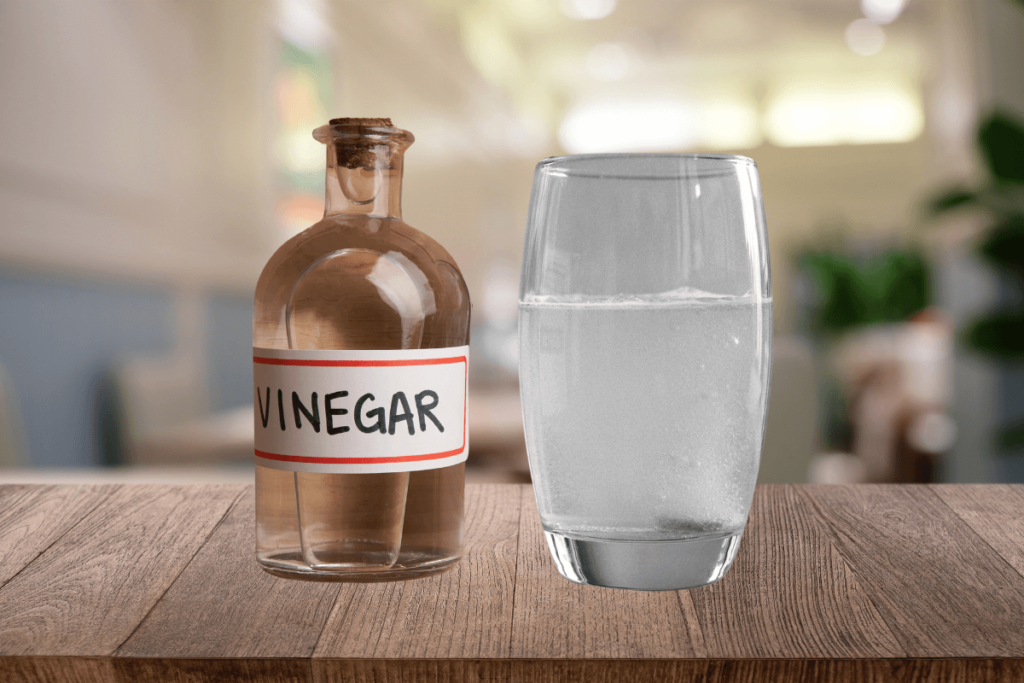
If you’re looking for a simple, eco-friendly solution to tackle hard water stains, you can’t go wrong with the classic vinegar and water mixture. This method is a favorite for many due to its effectiveness, affordability, and minimal environmental impact. Here’s how to make those glass surfaces sparkle again:

  1. Mix the Solution: Combine equal parts of white vinegar and water in a spray bottle. Vinegar’s acidic nature makes it perfect for dissolving those tough mineral deposits that water leaves behind.
  2. Apply Generously: Spray the vinegar solution directly onto the glass with hard water stains. Don’t be shy—ensure the surface is thoroughly soaked to allow the vinegar to work its magic.
  3. Let It Sit: Let the solution sit on the glass for at least 15 minutes. For more stubborn stains, you might want to wait up to 30 minutes. This gives the vinegar time to break down the mineral buildup.
  4. Scrub Gently: Using a soft sponge or cloth, gently scrub the glass in a circular motion. You’ll find that the stains start to lift away as the vinegar does its job.
  5. Rinse and Dry: Once the stains have been scrubbed away, rinse the glass with clean water and dry it with a lint-free towel or cloth to prevent new stains from forming.

Why does vinegar work so well? Its acidity targets the alkaline minerals, effectively breaking them down and making it easier to wipe the slate clean. Plus, it’s a natural disinfectant, leaving your glass not only stain-free but also hygienically clean.

Hard Water Stain Removal Method 2: Baking Soda Paste

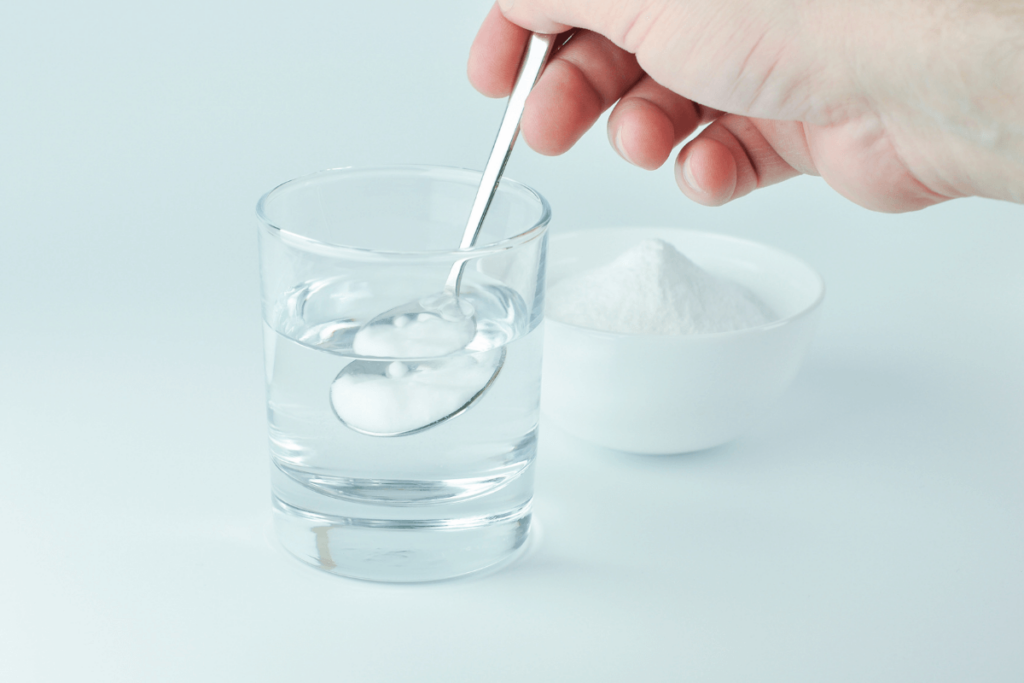
Mixing baking soda with water

When vinegar alone doesn’t cut it, or you’re dealing with particularly stubborn hard water stains, baking soda comes to the rescue. This common household item is not just for baking; its mild abrasive properties make it an excellent choice for removing tough stains without damaging glass. Here’s how to use baking soda to bring back the shine to your glass surfaces:

  1. Create the Paste: Mix a small amount of water with baking soda to form a thick paste. The consistency should be similar to toothpaste, allowing it to stick to the glass surface without running off.
  2. Apply the Paste: With a soft cloth or sponge, apply the baking soda paste directly onto the stained areas. Be generous but focused on the spots that need the most attention.
  3. Scrub Gently: Using a soft-bristled brush or a cloth, gently scrub the paste into the stains in a circular motion. The gentle abrasiveness of baking soda works to lift the mineral deposits from the glass.
  4. Let It Sit: Allow the paste to sit on the glass for about 15 minutes. This dwell time gives the baking soda a chance to break down the hard water stains further.
  5. Rinse Thoroughly: After letting it sit, rinse the glass with clean water. Ensure all the baking soda residue is washed away, as leftover paste can leave a white film on the glass.
  6. Dry and Polish: Dry the glass with a lint-free cloth or towel. For an extra sparkle, you can polish the glass with a clean microfiber cloth or newspaper for streak-free results.

Baking soda is not only effective but also safe for most glass surfaces, making it a go-to choice for eco-conscious cleaners. Its natural deodorizing properties can also help eliminate any lingering smells, leaving your glass and your home smelling fresh.

Hard Water Stain Removal Method 3: Commercial Cleaners

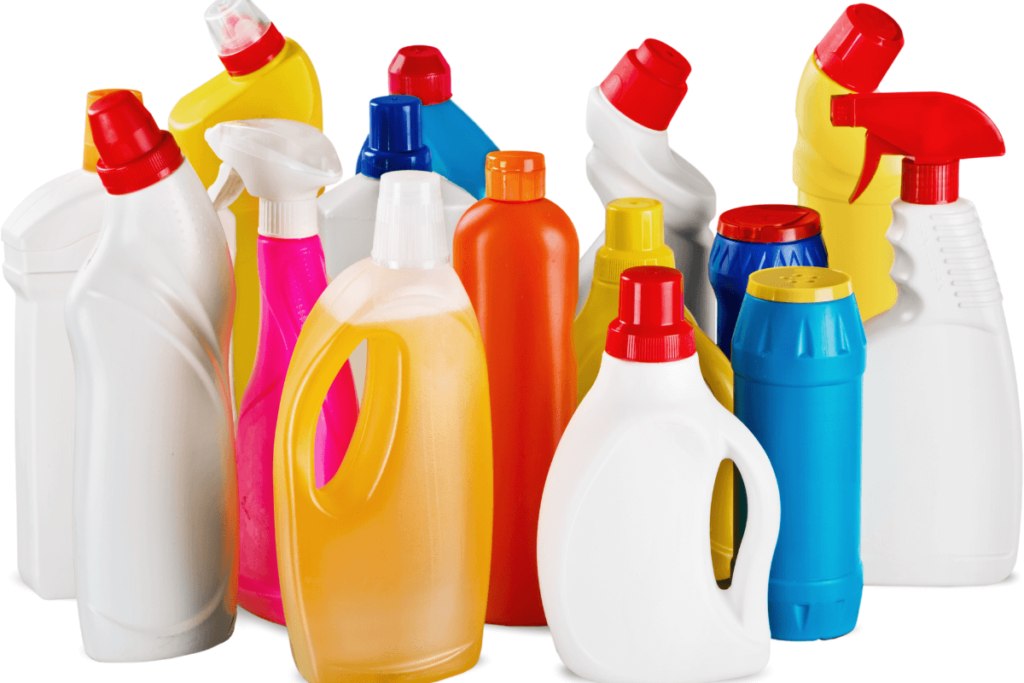
Generic commercial glass cleaners

If you’re cleaning glass, the previous methods probably have you covered. But for those who are dealing with particularly stubborn stains that natural remedies can’t tackle, commercial cleaners designed specifically for hard water stains can be highly effective.

These products often contain stronger chemicals that can quickly dissolve mineral deposits, making them a powerful ally in your cleaning arsenal. Here’s how to use them safely and effectively:

  1. Choose the Right Cleaner: Look for a cleaner that’s specifically formulated for removing hard water stains from glass. Products containing ingredients like hydrochloric acid, phosphoric acid, or acetic acid are particularly effective but should be used with caution due to their strength.
  2. Safety First: Always wear gloves and ensure the area is well-ventilated when using chemical cleaners. Read and follow the manufacturer’s instructions carefully to avoid damage to your glass surfaces or harm to yourself.
  3. Apply according to Instructions: Some cleaners can be applied directly, while others may need to be diluted. Apply the cleaner to the stained areas, adhering to the recommended contact time on the product’s label.
  4. Scrub if Necessary: For tough stains, gently scrub the treated area with a non-abrasive sponge or brush. Be mindful not to use anything too harsh that could scratch the glass.
  5. Rinse Well: Thoroughly rinse the glass with clean water after the recommended time has elapsed. Removing all traces of the cleaner is essential to avoid leaving behind any residue that could attract more dirt or cause damage.
  6. Dry and Inspect: Dry the glass with a clean, lint-free cloth. Inspect the area to ensure all stains have been removed. Repeat the process if needed, but always allow the glass to dry between applications to assess the results accurately.

While commercial cleaners can offer a quick and effective solution, they’re not always the most environmentally friendly option. Always consider the impact on your household and the environment when choosing to use chemical cleaners.

Preventing Hard Water Stains

Keeping hard water stains at bay is about more than just regular cleaning; it’s about minimizing the opportunities for those minerals to deposit on your glass in the first place. Here are some strategies to help you maintain clear, stain-free glass without constant scrubbing:

  • Use a Water Softener: Installing a water softener in your home can significantly reduce the mineral content in your water, attacking the problem at its source. This can be a game-changer for all your water-related cleaning tasks, not just for glass surfaces.
  • Squeegee After Use: Whenever possible, dry glass surfaces after they get wet. For glass in areas like the shower, use a squeegee after each use to remove water before it evaporates and leaves behind mineral deposits. It’s a simple step that can make a big difference.
  • Apply a Protective Coating: Various products on the market can create a protective barrier on your glass, repelling water and preventing stains. These can be especially useful for shower doors and windows in high-exposure areas.
  • Regular Cleaning: Regularly cleaning your glass surfaces with a mild detergent or one of the methods mentioned earlier can prevent hard water stains from setting in. Consistency is key to keeping your glass looking its best.
  •  

By incorporating these preventative measures into your routine, you can significantly reduce the occurrence of hard water stains, saving you time and effort in the long run. Maintaining clean glass surfaces becomes easier and more manageable, letting you enjoy the beauty of your home without the shadow of hard water stains.

From Stained to Sparkling: Concluding Our Hard Water Stain Remedies

Battling hard water stains on glass can seem like a never-ending struggle, but with the right approach, it’s a fight you can win. We’ve explored the science behind these stubborn stains and armed you with three effective strategies to not only remove them but prevent their return. From the simplicity and eco-friendliness of a vinegar and water solution to the robust power of commercial cleaners, there’s a method suited to every situation and preference.

Here’s a quick recap of what we covered:

  • Understanding the stubborn nature of hard water stains ensures you’re well-equipped to tackle them head-on.
  • Vinegar and water solutions, baking soda pastes, and commercial cleaners provide a toolkit for anyone looking to restore the shine to their glass surfaces.
  • Preventative measures such as using water softeners, squeegeeing after use, and applying protective coatings can significantly reduce the frequency and severity of hard water stains.

As you move forward, remember that regular maintenance and a proactive approach are your best defenses against the dulling effect of hard water. By integrating these methods and tips into your cleaning routine, you can keep your glass sparkling clear and your home looking its best.

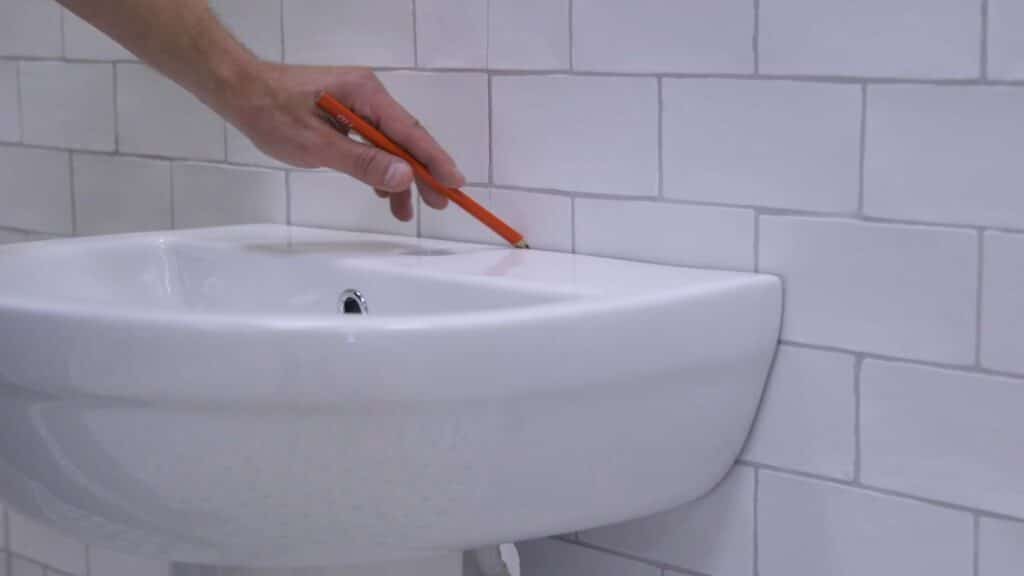
How to Install a Bathroom Sink

Upgrading your bathroom with a new sink can be a rewarding DIY project. With the right tools and a bit of know-how, you can install a stylish sink to enhance both form and function. Here’s a step-by-step guide to help you through the process.

10-Step Guide to Installing a Bathroom Sink.

1. Gather Your Tools and Materials:

Before diving in, ensure you have all the necessary tools and materials. This typically includes a new sink, faucet, plumber’s putty, a wrench, a screwdriver, a bucket, and a pipe cutter.

2. Turn Off the Water:

Begin by turning off the water supply to the bathroom. Locate the shut-off valves beneath the sink or, if unavailable, turn off the main water supply for the entire house.

3. Remove the Old Sink:

Disconnect the plumbing beneath the old sink and remove any brackets or adhesive securing it to the countertop. Carefully lift the old sink out, taking care not to damage the surrounding surfaces.

4. Install the Faucet:

Place the faucet through the designated hole in the sink. Secure it from underneath using the provided nuts. Apply plumber’s putty around the base of the faucet to create a watertight seal.

5. Attach the Drain:

Connect the drain to the sink, ensuring a proper seal with plumber’s putty or a rubber gasket. Tighten the nut beneath the sink to secure the drain in place.

6. Position the New Sink:

Set the new sink into place, aligning it with the existing hole in the countertop. Double-check that it sits evenly and securely.

7. Connect the Water Supply:

Reconnect the water supply lines to the faucet, ensuring tight connections. Turn the water supply back on and check for any leaks.

8. Seal the Edges:

Apply a bead of silicone caulk around the edges of the sink where it meets the countertop. This creates a waterproof seal and enhances the sink’s stability.

9. Test for Leaks:

Turn on the faucet and check for any leaks around the connections. Tighten as needed to ensure a watertight seal.

10. Enjoy Your New Sink:

With everything securely in place and leak-free, your new bathroom sink is ready for use. Enjoy the upgraded aesthetics and functionality of your freshly installed fixture.

Now you know how to install a sink in your bathroom. However, if you ever experience problems, remember that you can always trust Kahuna Comfort Plumbing, Heating, & Air. Call us now!

Book Online

"*" indicates required fields

This field is for validation purposes and should be left unchanged.

By clicking “Send Message”, I am providing express written consent to receive autodialed and pre-recorded calls, texts, and SMS/MMS with marketing communications from Kahuna Comfort regarding home services at the phone number provided above, even if the number is on a corporate, state, or national Do Not Call list. Consent is not a condition to purchase services or products.

Â