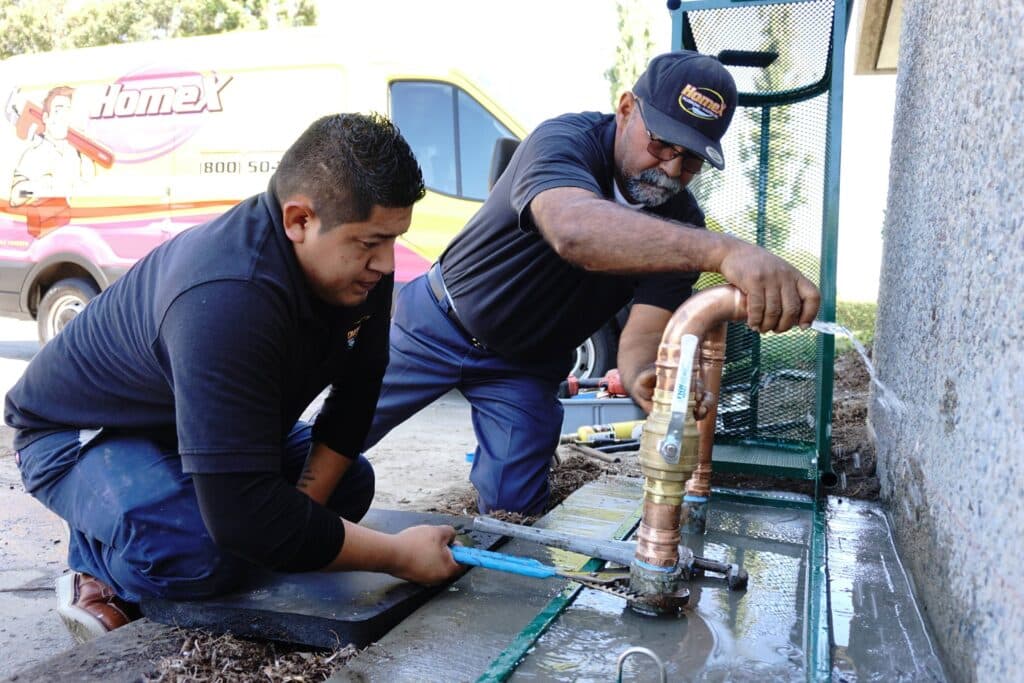
🎉 Exciting News: Home X is now Kahuna Comfort Plumbing, Heating & Air! 🎉

Author: Eric

A Guide to Different Wrenches in Plumbing Services.

In the world of plumbing, having the right tools can make all the difference in tackling various tasks effectively. Wrenches, in particular, are essential tools for plumbers, and there are several different types, each designed for specific purposes. In this article, we’ll explore some common wrenches used in plumbing services and how to use each one.

Different Wrenches for Plumbing Services.

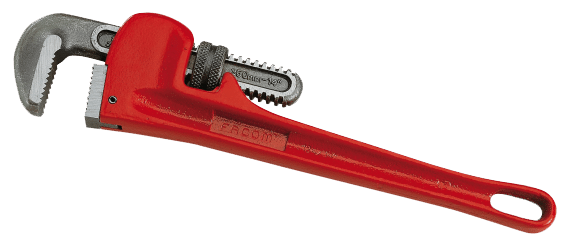
1. Pipe Wrench:

A pipe wrench is a classic plumbing tool recognizable by its distinctive toothed jaw. It’s used for gripping and turning threaded pipes and fittings. To use it, place the wrench’s jaw on the pipe or fitting and turn it in the direction you want to tighten or loosen. Pipe wrenches come in various sizes to accommodate different pipe diameters.

different wrenches in plumbing. This image is a pipe wrench

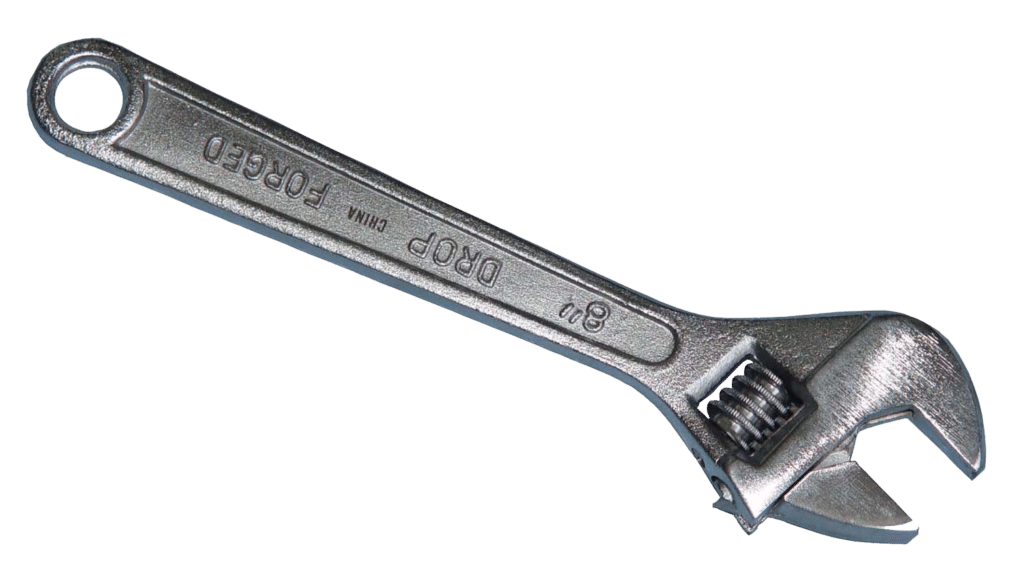
2. Adjustable Wrench:

Also known as a crescent wrench, an adjustable wrench is versatile and used for a wide range of plumbing tasks. To use it, adjust the wrench to fit the size of the nut or bolt you’re working with, then turn it in the desired direction. It’s handy for tightening nuts on faucets and other fixtures.

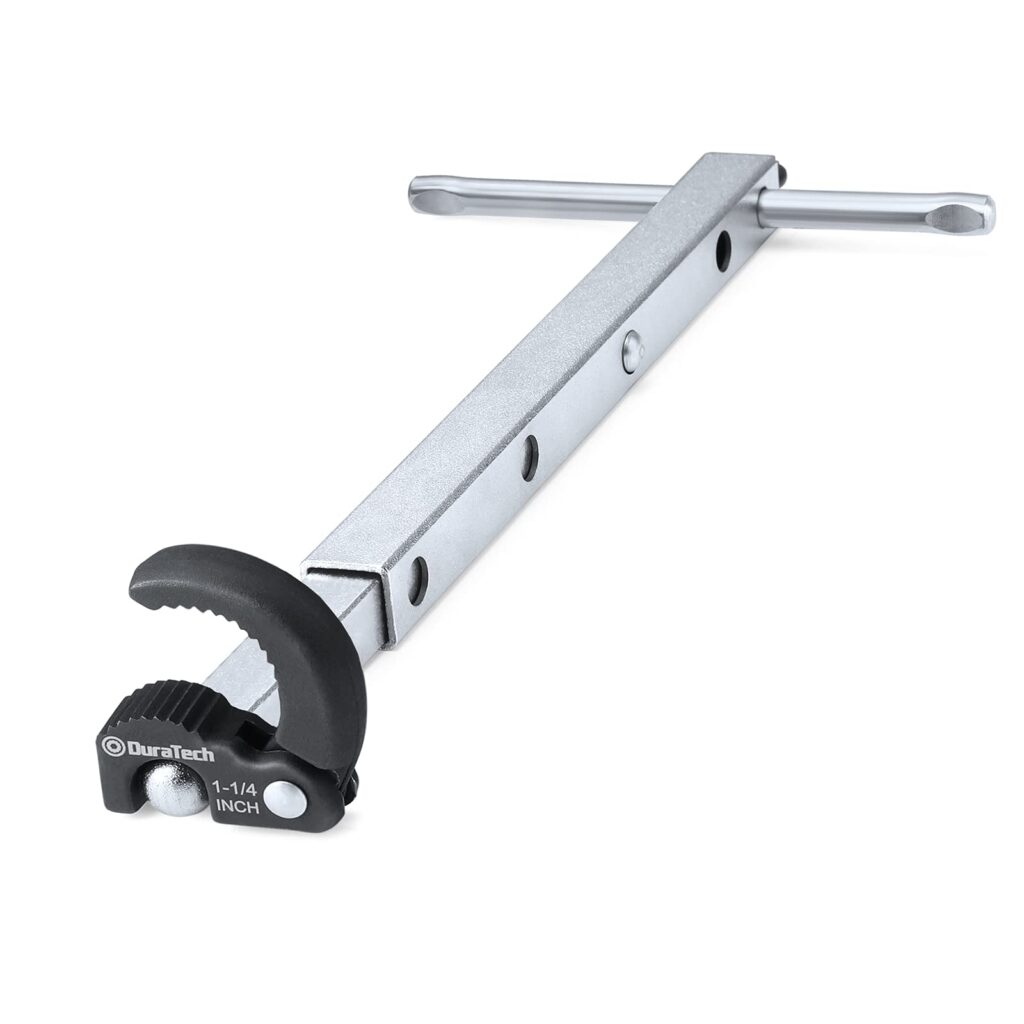
3. Basin Wrench:

A basin wrench is designed for working in tight spaces, particularly under sinks and behind toilets. It has a long, slender handle with a swiveling jaw that grips the nuts holding faucets in place. Use it to reach and tighten or loosen these nuts without disassembling the entire fixture.

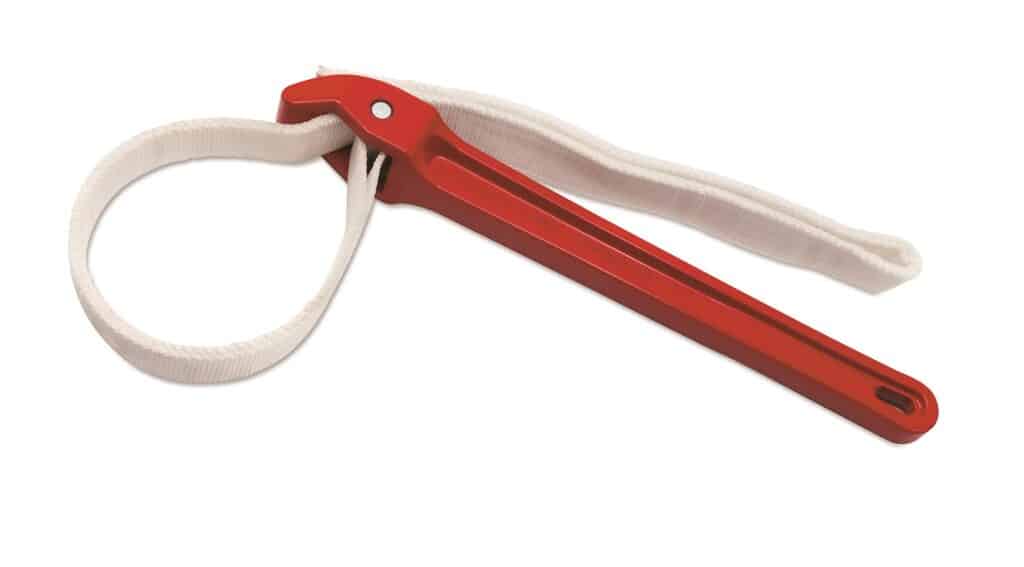
4. Strap Wrench:

Strap wrenches are ideal for working with smooth or polished pipes and fixtures, such as chrome or plastic. They have a flexible strap that wraps around the pipe, providing a firm grip without damaging the surface. Simply wrap the strap around the pipe and use the handle to tighten or loosen.

adjustable strap wrench plumbing services

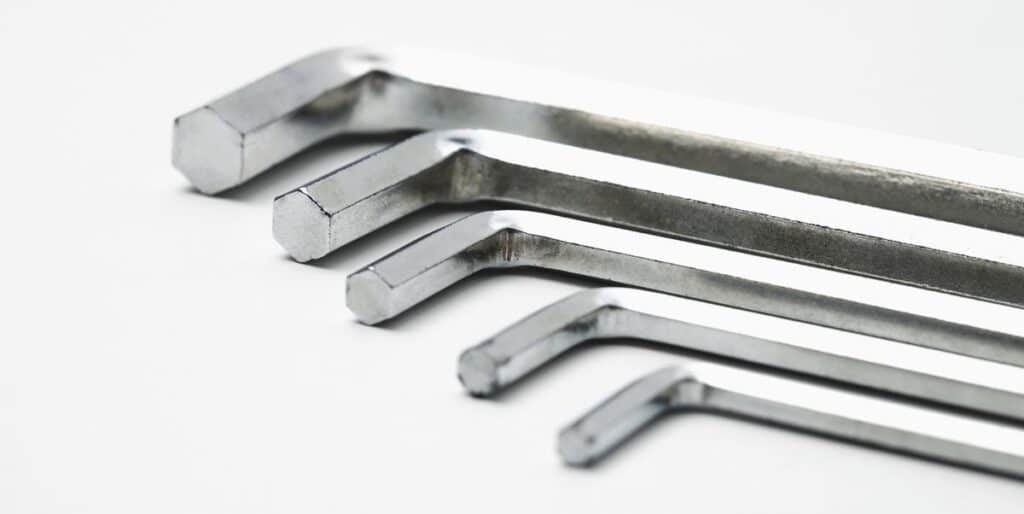
5. Allen Wrench (Hex Key):

Allen wrenches, or hex keys, are used for tasks that require turning hexagonal sockets, such as those found on some faucet handles. Insert the appropriate size Allen wrench into the socket and turn it to make adjustments or remove handles.

many sizes of allen. services in anaheim, los angeles, professional plumbing in fullerton

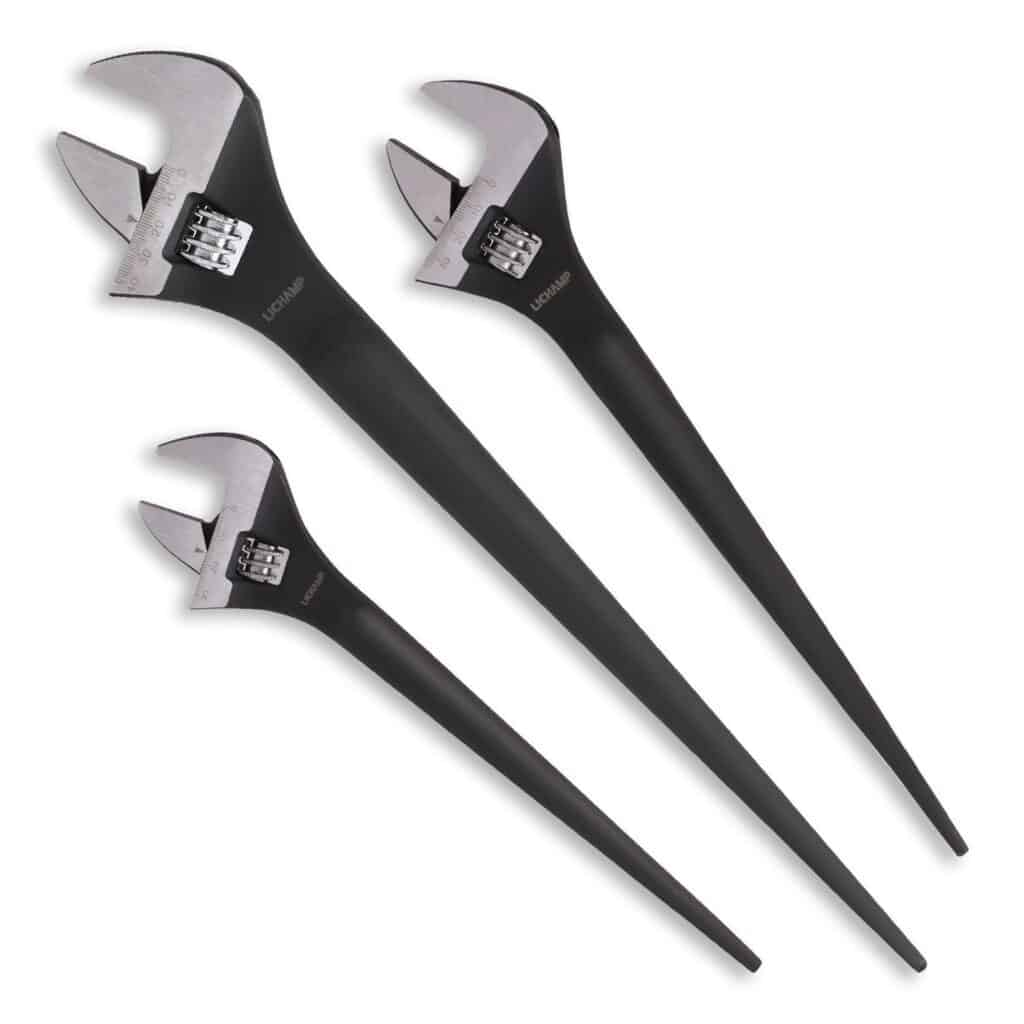
6. Spud Wrench:

Spud wrenches are specialized tools for installing and removing spuds, which are fittings used in certain types of faucets and toilets. These wrenches have a tapered handle and a flat, square jaw for a secure grip on spuds.

different sizes of spud wrenches. Typical wrench for plumbing services in anaheim, los angeles, fullerton thousand oaks

Remember, safety is paramount when using any tools, especially in plumbing. Always use the right wrench for the job and apply force carefully to avoid damaging pipes or fixtures. If you’re unsure about which wrench to use or how to perform a specific plumbing task, it’s best to consult a professional plumber who can guide you or handle the job safely and effectively.

Using each tool for its intended purpose is crucial and sets apart a quality plumbing service. If you’re seeking exceptional plumbing service, keep in mind that we’re the best in the area, serving not only Anaheim but also Fullerton, Torrance, Long Beach, Santa Monica, and even Thousand Oaks. Get in touch with us to schedule a service today!

8 Benefits of Preventive Plumbing Services.

Investing in preventive plumbing services offers numerous benefits, including early problem detection, extended system lifespan, improved water efficiency, and better water quality. It reduces emergency calls, provides peace of mind, ensures compliance with codes, and promotes eco-friendly practices. Overall, preventive plumbing services are a wise investment for homeowners.

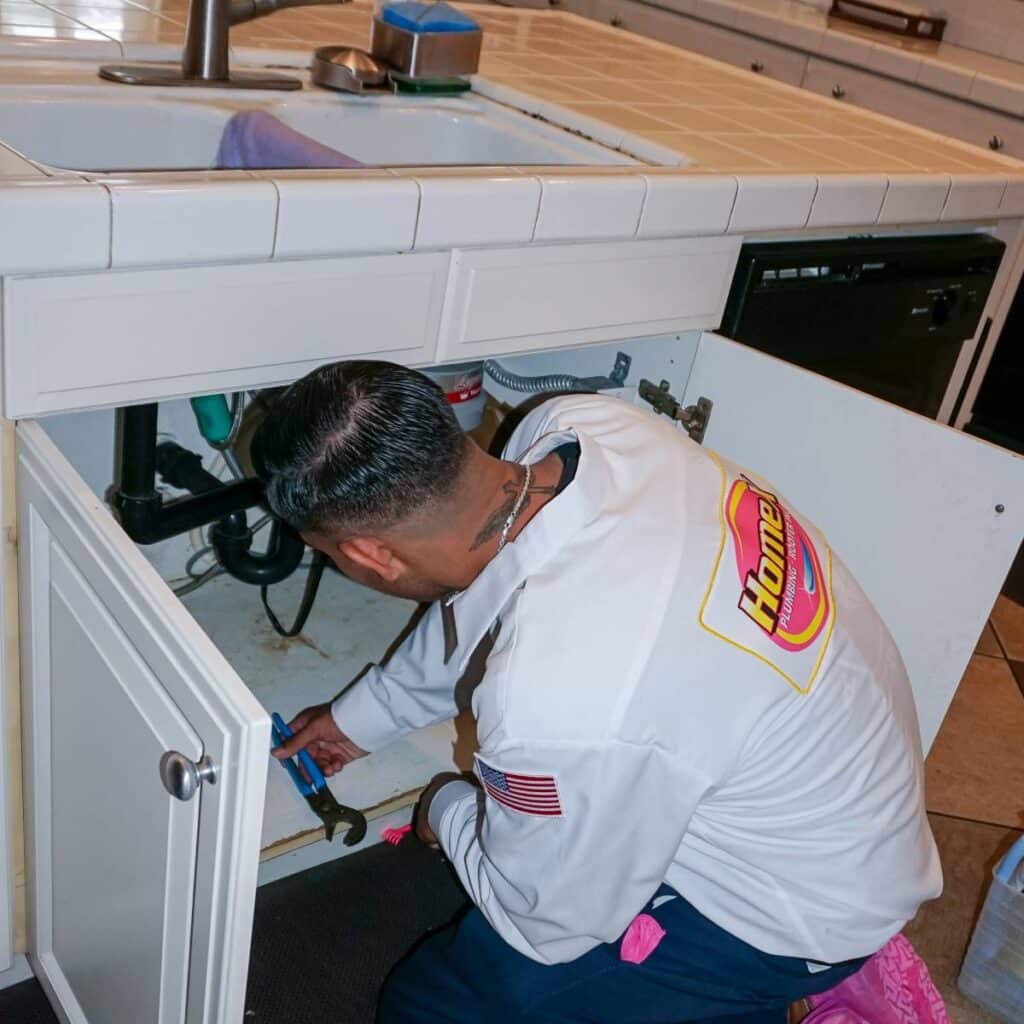
Kahuna Comfort plumber providing a plumbing repair for kitchen sink

When it comes to your home’s plumbing system, an old adage holds true: “An ounce of prevention is worth a pound of cure.” Preventive plumbing services, also known as plumbing maintenance, involve regular check-ups and maintenance tasks performed by professional plumbers. While it might seem like an unnecessary expense, investing in preventive plumbing services offers several significant benefits.

  1. Early Problem Detection:
    One of the primary advantages of preventive plumbing services is the early detection of potential issues. Professional plumbers can identify and address minor problems before they escalate into costly emergencies. This proactive approach can save you both money and stress in the long run.
  1. Extended System Lifespan:
    Regular maintenance helps extend the lifespan of your plumbing system. Well-maintained pipes, fixtures, and appliances are less likely to wear out prematurely. This means you won’t have to replace them as often, which can be a significant financial relief.
  1. Improved Water Efficiency:
    Preventive plumbing services can also improve your home’s water efficiency. Plumbers can identify and repair leaks, replace outdated fixtures with more efficient ones, and recommend water-saving upgrades. This not only reduces your water bills but also conserves a precious resource.
  1. Better Water Quality:
    Water quality is essential for your family’s health and comfort. Preventive plumbing services can include inspecting and maintaining water heaters, water filtration systems, and water softeners. This ensures that your water is clean, safe, and free from contaminants.
  1. Reduced Emergency Calls:
    By addressing issues before they become emergencies, you’ll significantly reduce the need for emergency plumbing calls. Emergency plumbing services can be costly, especially during off-hours or holidays. Preventive maintenance helps you avoid such unexpected expenses.
  1. Peace of Mind:
    Knowing that your plumbing system is well-maintained and less likely to fail gives you peace of mind. You can go about your daily life without worrying about sudden leaks, burst pipes, or other plumbing disasters.
  1. Compliance with Codes and Regulations:
    Regular plumbing maintenance ensures that your system complies with local building codes and regulations. This is crucial if you plan to sell your home in the future, as non-compliance issues can delay or complicate the selling process.
  1. Eco-Friendly Practices:
    Many preventive plumbing measures are environmentally friendly. Reducing water waste and conserving resources through efficient plumbing practices contributes to a more sustainable and eco-friendly household.
Kahuna Comfort plumbers providing plumbing repair services for leaky pipe

In conclusion, preventive plumbing services are a wise investment for homeowners. They not only save you money in the long run but also enhance the overall functionality, efficiency, and safety of your plumbing system. By proactively addressing potential issues, you’ll enjoy peace of mind and a more comfortable, worry-free living environment.

If you have plumbing problems that require an expert, do not hesitate to call us. We are the best from Thousand Oaks to Riverside.

Must-Have Plumbing Tools Every Homeowner Must Own for Ultimate Home Maintenance!

Imagen de <a href=Steve Buissinne en Pixabay” class=”wp-image-1437″/>

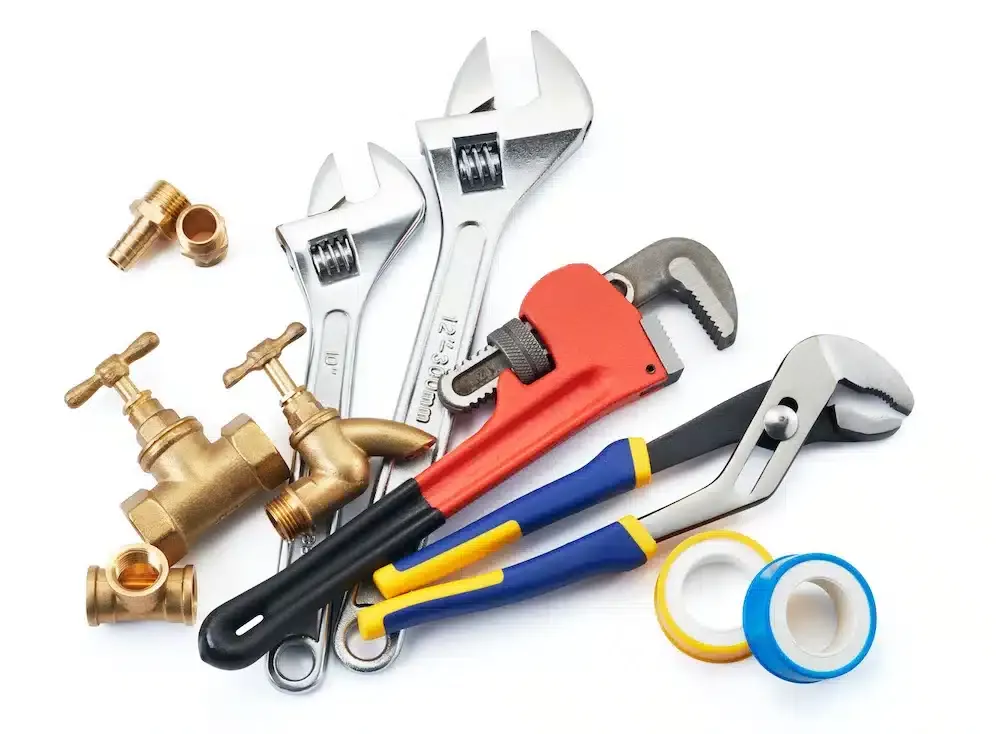
Every homeowner should have a basic set of plumbing tools for tackling common DIY plumbing tasks. These tools, including pipe wrenches, plungers, pipe tape, and more, can help you address minor plumbing issues effectively. While major plumbing problems require professional assistance, having these essentials can save you time and money when smaller issues arise. That’s why we want to show you these essential plumbing tools every homeowner should have.

Being prepared for minor plumbing issues in your home can save you time and money in the long run. While complex plumbing problems should be left to professionals, having a set of essential plumbing tools can help you handle common DIY plumbing tasks effectively.

Essential Plumbing Tools Every Homeowner Should Have.

1. Pipe Wrench.

A pipe wrench is a vital tool for tightening and loosening threaded pipes and fittings. It comes in various sizes to accommodate different pipe diameters.

2. Adjustable Wrench.

An adjustable wrench, also known as a crescent wrench, is versatile and useful for tasks such as tightening nuts and bolts on faucets and other fixtures.

3. Plunger.

A plunger is essential for clearing clogs in sinks, toilets, and tubs. Make sure you have both a cup plunger (for sinks and tubs) and a flange plunger (for toilets) for more effective results.

4. Pipe Cutter.

For cutting through copper, PVC, or other types of piping, a pipe cutter is essential. It ensures clean, precise cuts without the need for hacksaws.

5. Pipe Tape.

Also known as thread seal tape or Teflon tape, this thin white tape is used to create a watertight seal on threaded pipe connections. It’s crucial for preventing leaks.

6. Plumber’s Tape Measure.

A tape measure designed for plumbing applications typically includes measurements for pipe diameter, which is handy for selecting the right fittings.

7. Pipe and Tubing Cutter.

If you need to cut through larger pipes or tubing, a pipe and tubing cutter will make the job easier and more precise.

8. Hacksaw.

A hacksaw is useful for cutting through various materials, including pipes and plastic tubing. It’s handy when a pipe cutter isn’t suitable.

13 Must-have plumbing tools for house owners

9. Teflon Pipe Dope.

This sealant is used in addition to pipe tape to create a secure, leak-free connection between threaded fittings.

13 Must-have plumbing tools for house owners

10. Adjustable Pliers.

Adjustable pliers, such as tongue-and-groove or channel-lock pliers, are versatile tools for gripping and turning pipes and fittings.

13 Must-have plumbing tools for house owners

11. Pipe Reamer / Deburring Tool.

After cutting pipes, you’ll want to remove any burrs or rough edges with a pipe reamer or deburring tool.

13 Must-have plumbing tools for house owners

12. Closet Auger.

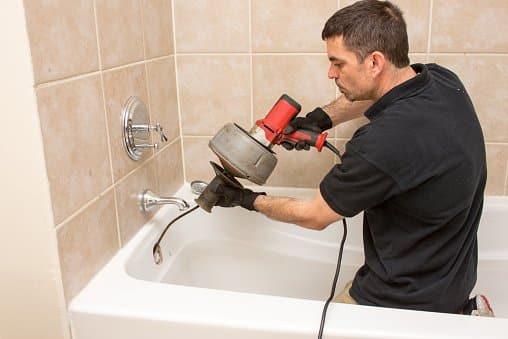
For clearing tough toilet clogs beyond what a plunger can handle, a closet auger is a specialized tool designed for the job.

13 Must-have plumbing tools for house owners

13. Bucket and Towels.

Having a bucket and towels on hand is essential for catching water and keeping your workspace clean while making repairs.

13 Must-have plumbing tools for house owners

Now you know what essential plumbing tools every homeowner should have. However, if you have a difficult plumbing problem in your home, you can call us, we have the best equipment and experts to solve your plumbing problems.

Understanding the Causes of Drain Odors. How to prevent them.

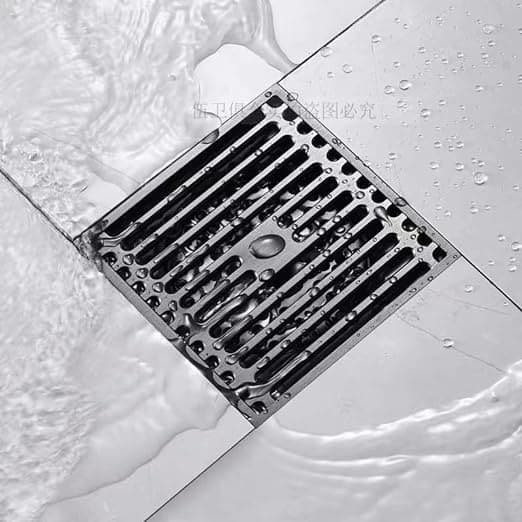
Drain odors can be unpleasant and embarrassing. They often result from factors like trapped food particles, hair and soap scum, bacteria buildup, or sewer gas infiltration. Prevention involves regular cleaning, using sink strainers, and proper maintenance. If odors persist, professional assistance may be needed to address the underlying issue.

Few things can be as unpleasant in a home as a foul smell emanating from a drain. These unpleasant odors can range from mild and musty to downright offensive, but they all share a common source. Understanding why drains sometimes smell is crucial for both prevention and addressing the issue when it arises.

Common Causes:

Food Particles: In kitchen sinks, food particles can get trapped in the drain, decompose, and produce unpleasant smells. Grease buildup can exacerbate the issue.

Hair and Soap Scum: Bathroom drains often accumulate hair, soap scum, and other debris. Over time, these substances can decompose and create odors.

Biofilm and Bacteria: Microorganisms can form a slimy layer called biofilm inside pipes. These bacteria can produce sulfur compounds, leading to foul-smelling odors.

Sewer Gas Infiltration: Sometimes, the odor isn’t from the drain itself but rather from sewer gas infiltrating your plumbing system. This can happen if there’s a malfunction in the drain trap or venting system.

Blocked Vent Pipes: Vent pipes allow sewer gases to escape through the roof and maintain proper drainage. If these pipes become blocked or damaged, odors can permeate your home.

Preventing Drain Odors:

Preventing Drain Odors:

  1. Regular Cleaning: Keep drains clean by regularly flushing them with hot water and using a mixture of baking soda and vinegar to break down deposits.
  2. Sink Strainers: Use sink strainers to catch food particles, hair, and debris before they enter the drain.
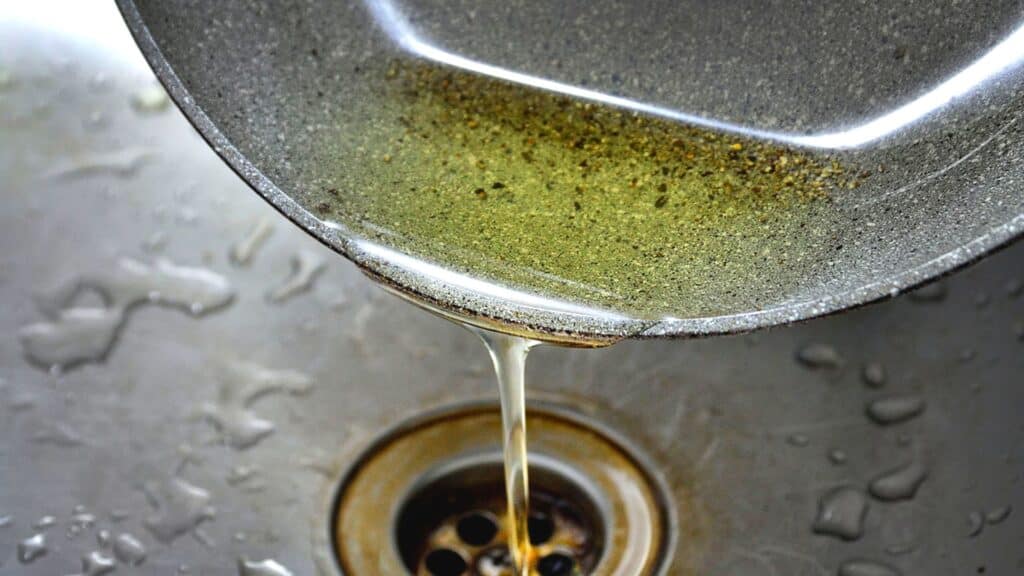
  3. Proper Disposal: Dispose of grease and cooking oils in a separate container, not down the sink.
  4. Regular Maintenance: Schedule routine plumbing inspections to catch and address any issues before they lead to odors.
  5. Sewer Gas Prevention: Make sure that drain traps are functioning correctly, and vent pipes are unobstructed.

Addressing Drain Odors:

If you’re already dealing with drain odors, there are steps you can take:

  1. Flush with Hot Water: Pouring hot water down the drain can help dislodge and flush away odor-causing substances.
  2. Baking Soda and Vinegar: Create a mixture of baking soda and vinegar and pour it down the drain. Let it sit for a while before rinsing with hot water.
  3. Drain Cleaners: Use commercial drain cleaners, but be cautious and follow the instructions carefully.
  4. Professional Help: If the odor persists or is accompanied by other plumbing issues, it’s best to consult a professional plumber.

Understanding the causes of drain odors is the first step in preventing and addressing them effectively. Regular maintenance, proper disposal habits, and knowing when to seek professional assistance can help keep your home smelling fresh and clean.

Don’t forget, we boast the finest professional plumbing technicians in LA. Schedule your appointment today, and one of our heroes will pay a visit to your home.

How to Prepare Yourself and Your Home for a Professional Plumbing Service Visit

Preparing for a visit from a professional plumber is essential for efficient problem-solving. Identify and document the plumbing issue, clear the work area, shut off the water supply if necessary, and communicate clearly with the plumber. Asking questions, preparing for payment, and planning for follow-up visits can make the experience smoother and more effective.

When you’re facing plumbing issues at home, calling in a professional plumber is often the best course of action. However, proper preparation can make the plumber’s visit more efficient and ensure that you get the most out of their expertise. In this article, we’ll guide you through the steps to prepare yourself and your house for the visit of a professional plumbing service.

1. Identify the Issue.

Before the plumber arrives, take some time to identify and document the plumbing issue. Make a list of symptoms, such as leaks, slow drains, or strange noises. Knowing the specific problem and its location will help the plumber diagnose and resolve the issue more effectively.

2. Clear the Work Area.

Ensure that the area around the plumbing fixtures or appliances in question is clear of any clutter or obstacles. Clearing the space gives the plumber easy access to the problem area, making their work safer and more efficient.

3. Shut Off Water Supply.

Locate the main water shutoff valve in your home and make sure you know how to turn it off. In case of an emergency or if the plumber needs to work on specific fixtures, being able to cut off the water supply can prevent potential flooding.

4. Communicate Clearly.

When the plumber arrives, provide them with the information you gathered about the plumbing issue. Be specific about any recent changes or events that might be relevant, such as recent repairs or renovations. Clear communication helps the plumber understand the situation better.

5. Ask Questions.

Don’t hesitate to ask questions or seek advice from the plumber. They can provide valuable insights into maintenance and prevention strategies. Understanding the root cause of the issue and how to prevent it in the future can save you time and money down the road.

6. Prepare for Payment.

Be ready to discuss payment terms with the plumber. This includes understanding their pricing structure, payment methods accepted, and any potential additional costs. Having this information upfront can prevent misunderstandings later.

7. Plan for Follow-Up.

In some cases, plumbing issues may require follow-up visits or additional work. Discuss the possibility of future appointments or preventive maintenance with the plumber to keep your plumbing system in top condition.

After reading this comprehensive guide, if you feel prepared to have a plumber visit your home, simply pick up the phone and give us a call to discover the best plumbing services with Kahuna Comfort.


How to Prepare Yourself and Your Home for a Professional Plumbing Service Visit

Preparing for a visit from a professional plumber is essential for efficient problem-solving. Identify and document the plumbing issue, clear the work area, shut off the water supply if necessary, and communicate clearly with the plumber. Asking questions, preparing for payment, and planning for follow-up visits can make the experience smoother and more effective.

When you’re facing plumbing issues at home, calling in a professional plumber is often the best course of action. However, proper preparation can make the plumber’s visit more efficient and ensure that you get the most out of their expertise. In this article, we’ll guide you through the steps to prepare yourself and your house for the visit of a professional plumbing service.

1. Identify the Issue.

Before the plumber arrives, take some time to identify and document the plumbing issue. Make a list of symptoms, such as leaks, slow drains, or strange noises. Knowing the specific problem and its location will help the plumber diagnose and resolve the issue more effectively.

2. Clear the Work Area.

Ensure that the area around the plumbing fixtures or appliances in question is clear of any clutter or obstacles. Clearing the space gives the plumber easy access to the problem area, making their work safer and more efficient.

3. Shut Off Water Supply.

Locate the main water shutoff valve in your home and make sure you know how to turn it off. In case of an emergency or if the plumber needs to work on specific fixtures, being able to cut off the water supply can prevent potential flooding.

4. Communicate Clearly.

When the plumber arrives, provide them with the information you gathered about the plumbing issue. Be specific about any recent changes or events that might be relevant, such as recent repairs or renovations. Clear communication helps the plumber understand the situation better.

5. Ask Questions.

Don’t hesitate to ask questions or seek advice from the plumber. They can provide valuable insights into maintenance and prevention strategies. Understanding the root cause of the issue and how to prevent it in the future can save you time and money down the road.

6. Prepare for Payment.

Be ready to discuss payment terms with the plumber. This includes understanding their pricing structure, payment methods accepted, and any potential additional costs. Having this information upfront can prevent misunderstandings later.

7. Plan for Follow-Up.

In some cases, plumbing issues may require follow-up visits or additional work. Discuss the possibility of future appointments or preventive maintenance with the plumber to keep your plumbing system in top condition.

After reading this comprehensive guide, if you feel prepared to have a plumber visit your home, simply pick up the phone and give us a call to discover the best plumbing services with Kahuna Comfort.


7 Tips to Prevent Plumbing Problems at Home

Plumbing is an essential part of any home, but it’s often taken for granted until something goes wrong. Leaks, blockages, and other plumbing issues can cause significant inconvenience and unexpected expenses. However, many of these problems can be avoided with proper maintenance and some simple habits. In this article, we’ll share some tips to help you prevent plumbing problems at home and keep your water system in optimal condition.

1. Regular Inspection.

Regularly inspect your pipes, faucets, toilets, and drainage systems for signs of leaks, drips, or corrosion. Address any issues immediately to prevent them from worsening.

2. Don’t Overload Toilets and Drains.

Avoid flushing excessive toilet paper, personal hygiene products, disposable wipes, or kitchen grease down the sink. These items can clog pipes and lead to serious plumbing problems.

3. Install Drain Guards.

Install drain guards in sinks and bathtubs to catch hair and other debris before it enters the pipes, making it easier to remove and prevent clogs.

4. Check Water Pressure.

Excessively high water pressure can damage pipes and appliances over time. Use a water pressure gauge to ensure it’s within the recommended range, usually between 40 and 60 PSI. Consider installing a pressure regulator if needed.

5. Insulate Pipes in Winter.

Protect your pipes from freezing in cold climates by insulating exposed pipes and disconnecting garden hoses in winter to prevent freezing and bursting.

6. Schedule Regular Maintenance.

Investing in regular preventive maintenance by hiring a professional plumber can identify potential issues and perform necessary repairs before they escalate into costly emergencies.

7. Close the Main Valve When Away.

If you plan to be away from home for an extended period, close the main water valve to prevent potential leaks or unexpected floods while you’re not present.

By following these tips, you can significantly reduce the likelihood of plumbing problems in your home. Prevention and proper maintenance are essential for keeping your plumbing system in good shape and saving money in the long run.

However, if you already have plumbing problems in your home, you can always call Kahuna Comfort for our premium services.

Kahuna Comfort Plumbing, Heating, & Air's team member in the Anaheim area

7 Tips to Prevent Plumbing Problems at Home

Plumbing is an essential part of any home, but it’s often taken for granted until something goes wrong. Leaks, blockages, and other plumbing issues can cause significant inconvenience and unexpected expenses. However, many of these problems can be avoided with proper maintenance and some simple habits. In this article, we’ll share some tips to help you prevent plumbing problems at home and keep your water system in optimal condition.

1. Regular Inspection.

Regularly inspect your pipes, faucets, toilets, and drainage systems for signs of leaks, drips, or corrosion. Address any issues immediately to prevent them from worsening.

2. Don’t Overload Toilets and Drains.

Avoid flushing excessive toilet paper, personal hygiene products, disposable wipes, or kitchen grease down the sink. These items can clog pipes and lead to serious plumbing problems.

3. Install Drain Guards.

Install drain guards in sinks and bathtubs to catch hair and other debris before it enters the pipes, making it easier to remove and prevent clogs.

4. Check Water Pressure.

Excessively high water pressure can damage pipes and appliances over time. Use a water pressure gauge to ensure it’s within the recommended range, usually between 40 and 60 PSI. Consider installing a pressure regulator if needed.

5. Insulate Pipes in Winter.

Protect your pipes from freezing in cold climates by insulating exposed pipes and disconnecting garden hoses in winter to prevent freezing and bursting.

6. Schedule Regular Maintenance.

Investing in regular preventive maintenance by hiring a professional plumber can identify potential issues and perform necessary repairs before they escalate into costly emergencies.

7. Close the Main Valve When Away.

If you plan to be away from home for an extended period, close the main water valve to prevent potential leaks or unexpected floods while you’re not present.

By following these tips, you can significantly reduce the likelihood of plumbing problems in your home. Prevention and proper maintenance are essential for keeping your plumbing system in good shape and saving money in the long run.

However, if you already have plumbing problems in your home, you can always call Kahuna Comfort for our premium services.

Kahuna Comfort Plumbing, Heating, & Air's team member in the Anaheim area

How to Know If Your House Needs Plumbing Maintenance?

Your home’s plumbing system plays a vital role in ensuring the smooth flow of water and maintaining a comfortable living environment. However, over time, wear and tear can occur, leading to plumbing issues that can disrupt your daily routine. To avoid costly repairs and unexpected emergencies, regular plumbing maintenance is essential. If you are asking how to know if your house needs plumbing maintenance, here are some key signs to watch for and maintenance tips to keep your home’s water systems in excellent condition.

Watch for Warning Signs.

Several indicators can suggest that your home needs plumbing maintenance. These signs include slow drainage, low water pressure, recurring leaks, foul odors, and unusual sounds coming from the pipes. Pay attention to these warnings as they can indicate underlying issues that require immediate attention.

Schedule Regular Inspections.

Preventive maintenance is crucial to catch plumbing problems before they escalate. Consider scheduling regular inspections with a professional plumber who can assess your plumbing system for any hidden leaks, corrosion, or potential issues. Regular inspections can help you identify problems early on, saving you from costly repairs and water damage.

plumber expert - how to know if my house needs a plumber?
Incorporating a regular inspection of your home’s water systems into your routine is a highly recommended practice.

Maintain Drainage Systems.

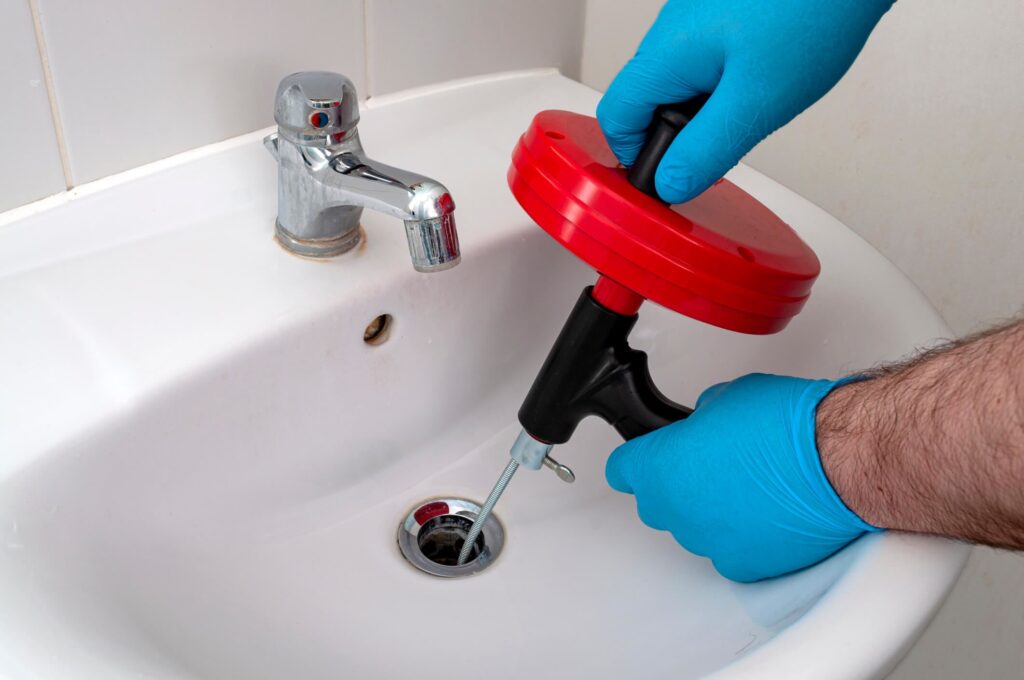
Clogged drains are a common plumbing issue that can lead to water backups and other complications. Avoid pouring grease, coffee grounds, or other debris down the drain, and use drain covers to prevent hair and debris from entering the pipes. Regularly clean your drains using natural remedies or approved drain cleaners to keep them clear. If you encounter any issues with your household drains, don’t hesitate to give us a call and inquire about our drain cleaning service!

How to know if a house needs plumbing maintenance? Try to clean your drains more often
Remember to refrain from pouring heavy substances or garbage down your household drains.

Winterize Your Plumbing.

In colder climates, freezing temperatures can cause pipes to burst, leading to significant water damage. Before the winter season arrives, insulate exposed pipes, disconnect outdoor hoses, and consider installing pipe insulation sleeves. Taking these preventive measures can protect your plumbing system during freezing weather.

Regular plumbing maintenance is essential for a well-functioning home. By paying attention to warning signs, scheduling inspections, maintaining drainage systems, and winterizing your plumbing, you can prevent costly repairs and ensure a smoothly running water system. Remember, proactive maintenance is the key to a hassle-free and functional home.

Now you know how to know if your house needs a plumber maintenance, don’t forget to follow us on Instagram, where we share a wealth of useful tips on these subjects.

How to Know If Your House Needs Plumbing Maintenance?

Your home’s plumbing system plays a vital role in ensuring the smooth flow of water and maintaining a comfortable living environment. However, over time, wear and tear can occur, leading to plumbing issues that can disrupt your daily routine. To avoid costly repairs and unexpected emergencies, regular plumbing maintenance is essential. If you are asking how to know if your house needs plumbing maintenance, here are some key signs to watch for and maintenance tips to keep your home’s water systems in excellent condition.

Watch for Warning Signs.

Several indicators can suggest that your home needs plumbing maintenance. These signs include slow drainage, low water pressure, recurring leaks, foul odors, and unusual sounds coming from the pipes. Pay attention to these warnings as they can indicate underlying issues that require immediate attention.

Schedule Regular Inspections.

Preventive maintenance is crucial to catch plumbing problems before they escalate. Consider scheduling regular inspections with a professional plumber who can assess your plumbing system for any hidden leaks, corrosion, or potential issues. Regular inspections can help you identify problems early on, saving you from costly repairs and water damage.

plumber expert - how to know if my house needs a plumber?
Incorporating a regular inspection of your home’s water systems into your routine is a highly recommended practice.

Maintain Drainage Systems.

Clogged drains are a common plumbing issue that can lead to water backups and other complications. Avoid pouring grease, coffee grounds, or other debris down the drain, and use drain covers to prevent hair and debris from entering the pipes. Regularly clean your drains using natural remedies or approved drain cleaners to keep them clear. If you encounter any issues with your household drains, don’t hesitate to give us a call and inquire about our drain cleaning service!

How to know if a house needs plumbing maintenance? Try to clean your drains more often
Remember to refrain from pouring heavy substances or garbage down your household drains.

Winterize Your Plumbing.

In colder climates, freezing temperatures can cause pipes to burst, leading to significant water damage. Before the winter season arrives, insulate exposed pipes, disconnect outdoor hoses, and consider installing pipe insulation sleeves. Taking these preventive measures can protect your plumbing system during freezing weather.

Regular plumbing maintenance is essential for a well-functioning home. By paying attention to warning signs, scheduling inspections, maintaining drainage systems, and winterizing your plumbing, you can prevent costly repairs and ensure a smoothly running water system. Remember, proactive maintenance is the key to a hassle-free and functional home.

Now you know how to know if your house needs a plumber maintenance, don’t forget to follow us on Instagram, where we share a wealth of useful tips on these subjects.

Book Online

"*" indicates required fields

This field is for validation purposes and should be left unchanged.

By clicking “Send Message”, I am providing express written consent to receive autodialed and pre-recorded calls, texts, and SMS/MMS with marketing communications from Kahuna Comfort regarding home services at the phone number provided above, even if the number is on a corporate, state, or national Do Not Call list. Consent is not a condition to purchase services or products.